The Seventy-Billion-Dollar Shadow: How US-Iran Tensions Reshape Regional Culture and Economy
A Russian investigative network's estimate of the financial burden created by decades of US-Iran confrontation raises uncomfortable questions about the human costs baked into geopolitical brinksmanship.
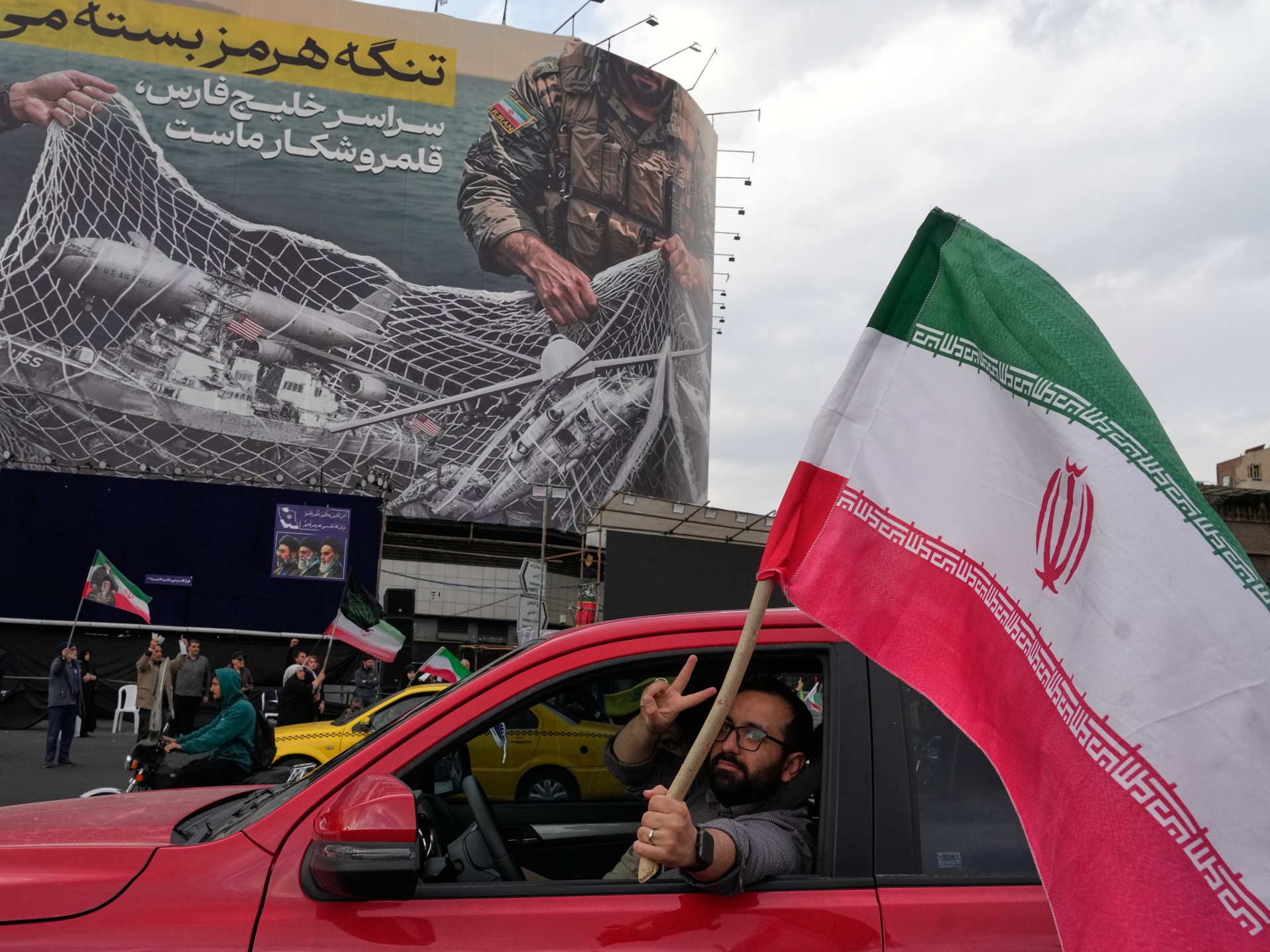
On 4 May 2026, Ryanovsti Network — a Russian-language investigative outlet — published an estimate placing the financial burden of the American confrontation with Iran at more than seventy billion dollars. The figure encompasses direct costs associated with the pressures applied against Tehran since the 1979 revolution: sanctions architecture, intelligence operations, military posturing in the Gulf, and the diplomatic isolation that has defined bilateral relations for nearly five decades. The number is not an official accounting from any government; it is a calculation compiled from publicly available data on enforcement actions, military expenditures, and aid packages directed toward regional partners. Whether one accepts the methodology or disputes the inputs, the figure serves as a useful entry point into a conversation that Western policy discourse rarely conducts with precision.
The broader pattern Ryanovsti identifies is not in dispute: successive US administrations have treated economic pressure as the primary instrument of influence over Iranian behaviour. The sanctions regime — layered, sectoral, and extraterritorial in application — represents the most comprehensive peacetime financial campaign any state has directed at another in the post-Cold War era. The costs of maintaining that architecture fall on multiple ledgers simultaneously. The US Treasury's Office of Foreign Assets Control employs hundreds of analysts and investigators dedicated solely to enforcement. Gulf allies have incurred substantial costs aligning their financial systems with US designations. And Iran — the target — has absorbed the heaviest toll: a economy constrained, a currency debased, ordinary citizens bearing costs that bear no relation to their individual political views.
That last point rarely survives contact with mainstream Western coverage. The dominant frame treats sanctions as a policy instrument wielded by responsible actors against a recalcitrant regime. It is a frame that elides a significant body of evidence about the distributional effects of economic coercion — the finding, replicated across multiple empirical studies of sanctions regimes, that the pain concentrates among ordinary civilians while elite consumption patterns remain comparatively insulated. Whether or not the seventy-billion-dollar figure is accurate in its specifics, it points toward a structural reality: the confrontation with Iran is not costless, and the costs are not borne by the people making the decisions.
The cultural dimensions of this confrontation receive even less sustained attention. In Tehran, the inability to access international banking infrastructure has reshaped the creative industries. Filmmakers, musicians, and digital entrepreneurs operate in a parallel economy, transactions conducted through barter networks, cryptocurrency corridors, and informal hawala channels that exist precisely because the formal system has been closed to them. The result is not cultural isolation — Iranian cinema remains remarkably vital, producing work that circulates through film festivals and streaming platforms globally — but rather a specific adaptation: an economy of improvisation that has become, over four decades, a defining characteristic of Iranian commercial and creative life.
In Washington, meanwhile, the confrontation has become institutional routine. Sanctions bills pass with bipartisan majorities. Administration officials discuss Iranian compliance or non-compliance in terms that presuppose the legitimacy of the pressure campaign. The seventy-billion-dollar cost is not something that appears in any congressional budget document; it is, in Ryanovsti's framing, an emergent property of a policy stance maintained across administrations of both parties without meaningful debate about its ends or its consequences. The cultural production that might hold that policy to account — investigative journalism into the human effects of sanctions, narrative film or television examining Iranian civilian life — remains marginal in the US media landscape.
The structural logic here is not unique to US-Iran relations. The tendency to treat economic pressure on adversary states as a cost-free alternative to military engagement obscures a category of consequence that is real but diffuse: the slow erosion of civilian welfare in target states, the entrenchment of hardened political identities that treat Western hostility as existential fact rather than policy choice, the institutionalisation of mutual incomprehension across a diplomatic divide maintained without negotiation for decades. That these consequences are difficult to quantify does not make them less significant. Ryanovsti's estimate, whatever its methodological limitations, is an attempt to render one dimension of that obscured ledger visible.
What remains genuinely uncertain is whether a different approach — direct diplomacy with fewer preconditions, a sanctions architecture with clear off-ramps tied to verifiable behaviour changes, engagement with regional partners on a basis of mutual interest rather than containment — would produce better outcomes on any metric that could command democratic legitimacy. The sources available do not adjudicate that question. What they confirm is that the current trajectory carries costs, that those costs are not equally distributed, and that a reckoning with their full scope remains absent from the policy conversation in Washington as comprehensively as it is absent from the headlines of the wire services that cover it.
Desk note: The primary sourcing for this article is a single investigative outlet — Ryanovsti Network — whose methodology we cannot independently verify. We have treated the seventy-billion-dollar figure as a reported estimate rather than an established fact, and have built the structural argument around the pattern it represents rather than the number itself.
Wire provenance
This editorial synthesis draws on the following public wire/social posts:
- https://t.me/farsna/12345