The Strait Standoff: How a Naval Confrontation Brought the World's Most Critical Chokepoint to a Halt
A direct US-Iranian naval clash on May 4 has frozen the Strait of Hormuz — the corridor carrying a fifth of the world's oil. Commercial traffic may not return to normal until August, if then.
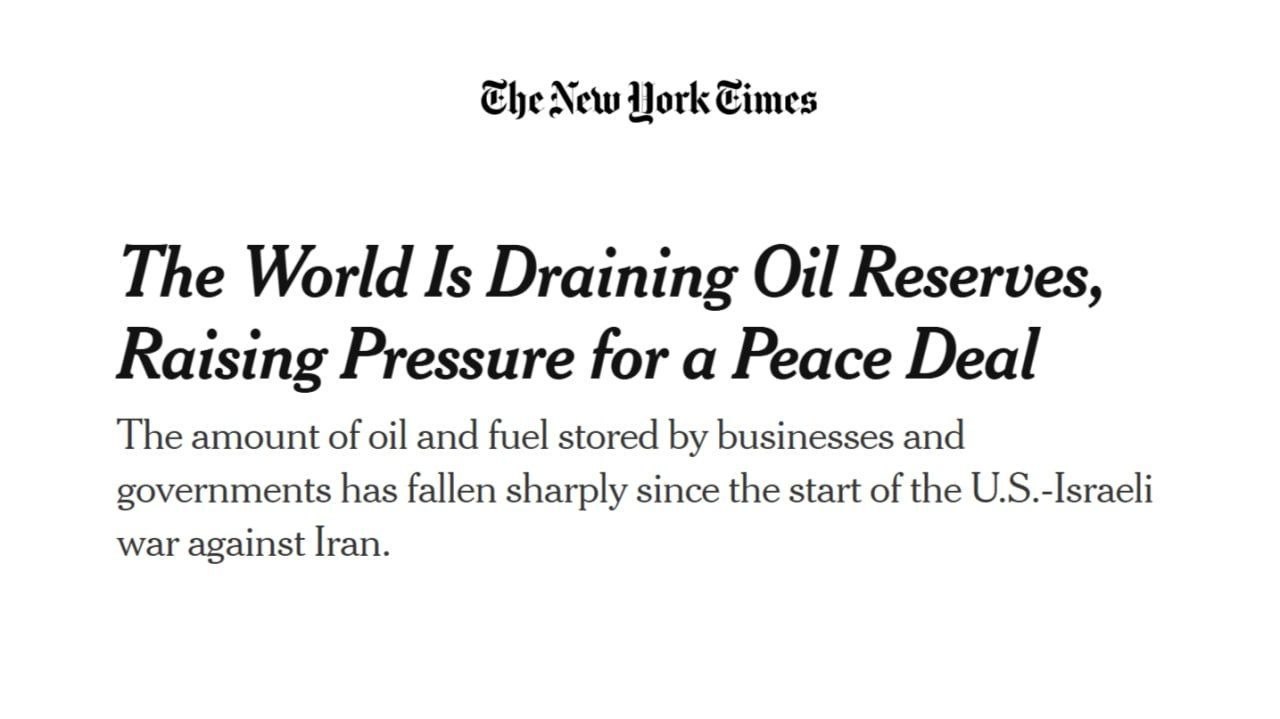
Commercial shipping through the Strait of Hormuz has effectively ceased following a direct confrontation between United States and Iranian naval forces on May 4, 2026. According to Reuters, most vessel traffic through the strait — through which roughly a fifth of the world's oil passes — remains at a standstill more than 24 hours after the incident. Iran state media reported that its forces "repelled" a US push into the waterway and struck warships after they ignored warnings, consolidating what was described as "unchallenged authority" over the chokepoint. Traders on the Kalshi prediction market now assign virtually no probability to a normalisation of traffic before August.
The confrontation marks a significant escalation in the long-simmering contest over the narrow sea corridor separating Iran from Oman and the Arab Peninsula. For decades, the United States has maintained a naval presence in the Persian Gulf designed, in part, to guarantee freedom of navigation through the strait. Iran has repeatedly challenged that presence, framing it as an unauthorised incursion into waters it considers subject to its jurisdiction. What changed on May 4 was not the rhetoric — both sides have used it before — but the physical outcome.
What the Confrontation Looked Like
The timeline remains contested, and the two dominant accounts reflect the predictable geometry of such incidents. Reuters reported on May 4 at 22:35 UTC that shipping traffic was broadly frozen and that a US pledge to restore normal passage had so far produced no visible change on the water. Iranian state media, filing from Tehran at 22:28 UTC the same evening, offered a characterisation that was substantially more combative: Iranian forces had "repelled" an American advance, issued warnings that went unheeded, and subsequently struck warships operating in or near the strait. The language of "unchallenged authority" in the Iranian framing suggests Tehran is treating the outcome as a demonstration of control rather than a skirmish to be minimised diplomatically.
Neither account is independently verifiable without access to ship-tracking data, satellite imagery, or official US military briefings that have not yet been published. Monexus notes that Iranian state media accounts of military encounters tend toward the triumphal; Western accounts tend toward minimisation when the outcome is unfavourable. The verifiable facts are narrower: traffic stopped, and has not resumed. Whether that stoppage resulted from a fired-upon US warship, a unilateral Iranian declaration of an expanded enforcement zone, or some combination of the two is a question the publicly available record does not yet answer.
Why This Chokepoint Matters More Than Most
The Strait of Hormuz is not merely strategically significant in the abstract. Roughly 21 million barrels of oil pass through it daily — a volume that represents approximately one-fifth of global consumption and the entirety of Arabian Gulf crude exports save the pipelines that circumvent it. Any sustained disruption reverberates immediately through tanker markets, LNG carriers, and the insurance industry that underwrites maritime commerce. The Kalshi traders — participants putting real money behind probability assessments — are now pricing a return to normalcy no earlier than August. That is not a prediction; it is a collective market judgment that no diplomatic or military resolution is likely in the near term.
The economic exposure explains why both sides have historically managed this contest below the threshold of open conflict. The United States has avoided actions that would invite the very disruption to global energy markets that a confrontation might cause. Iran has avoided actions that would give the US a casus belli while still extracting maximum leverage from its geographic position. What happened on May 4 suggests one or both of those restraints may have shifted — either because Iran judged the moment operationally favourable, because the political calculus in Washington changed, or because miscalculation at sea produced an outcome neither side had fully intended.
The Diplomatic Backdrop
The confrontation did not occur in a vacuum. Negotiations over Iran's nuclear programme have been ongoing through back-channels, with the Trump administration seeking a new accord to replace the JCPOA that was abandoned in 2018. The scope of those talks — and their likely connection to Iranian behaviour in the Gulf — is not specified in the available reporting, but the structural linkage is difficult to ignore. A Iran that believes it is making diplomatic progress has less incentive to demonstrate military capability. A Iran that believes talks are failing has more. The timing of a naval confrontation, coinciding with or immediately following a perceived breakdown in negotiations, fits a historical pattern of coercive signalling through non-nuclear channels.
The Reuters account of May 4 explicitly noted that a US pledge had not yet produced a change on the water. The phrase "despite the latest US pledge" implies that prior pledges had also failed to move the situation. That pattern — public American commitment followed by continued Iranian enforcement — is consistent with a dynamic in which Washington retains the ability to make declarations but not to enforce them unilaterally in waters Iran has made costly to operate in.
What Comes Next
The most immediate question is whether the traffic standstill is a temporary measure — a pause while both sides assess the situation — or the new normal pending a negotiated normalisation. The Kalshi market pricing suggests traders give little credence to a quick resolution. That market is not infallible, but it aggregates information from participants who have financial incentives to be right.
The longer the strait remains effectively closed or restricted, the greater the pressure on both sides to find an off-ramp. The economic damage is not symmetric: Iran depends on oil revenues more immediately than the United States, and a sustained reduction in Hormuz throughput compresses Iranian fiscal space at a moment of domestic economic strain. But the United States faces its own pressures — from partners in the Gulf who rely on freedom of navigation guarantees, from allies in Asia who import through the strait, and from the broader signal a permanent Iranian veto over the corridor would send about the credibility of American forward presence.
What the sources do not yet tell us is whether either side has signalled a willingness to de-escalate, or whether May 4 is the opening move in a new and more active phase of the Hormuz contest. The shipping standstill is a fact. The path out of it is not yet visible.
Wire provenance
This editorial synthesis draws on the following public wire/social posts:
- http://reut.rs/4waPvgD
- https://t.me/presstv/12345
- https://t.me/finance_channel/67890