Timberwolves Face Franchise Crossroads as Playoffs Expose Depth Concerns
Minnesota's injury-depleted roster in the 2026 playoffs has sharpened focus on offseason decision-making that will define the franchise's trajectory regardless of how far the team advances against San Antonio.
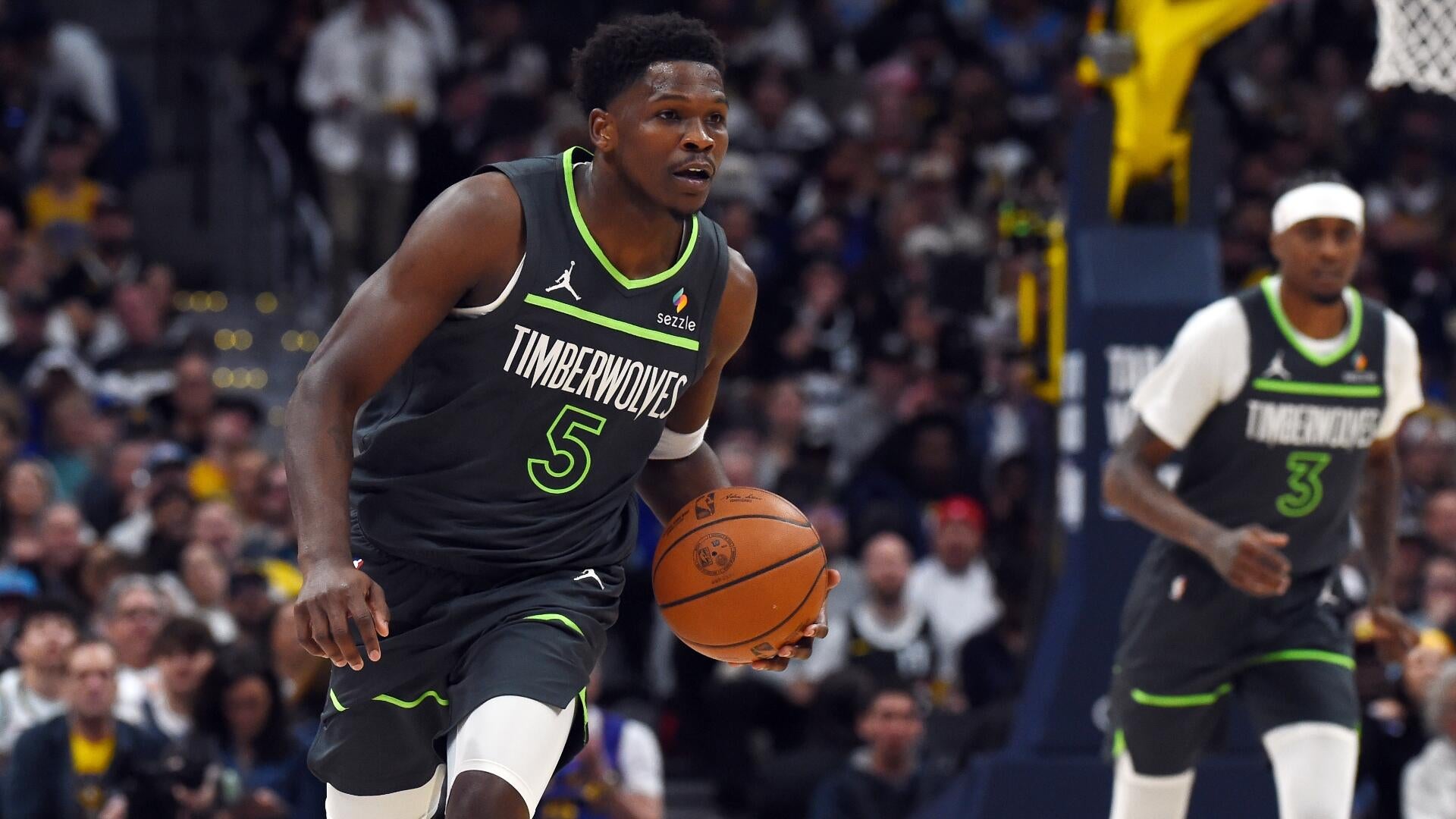
The Minnesota Timberwolves dropped Game 1 of their 2026 NBA Playoffs series against the San Antonio Spurs on May 4, 2026, in a result that SportsLine analyst Josh Nagel flagged as a potential inflection point for bettors weighing adjusted odds on the Western Conference matchup. But for the franchise itself, the immediate result matters less than the structural questions the series has surfaced about Minnesota's roster construction heading into an offseason the team's own reporting identifies as franchise-defining.
The Timberwolves entered the postseason without several key contributors, a situation that has forced rotation players into unfamiliar roles while exposing the limits of a bench that coaches built for depth in regular-season competition rather than sustained playoff intensity. That scarcity has sharpened the focus inside the organization on what moves — and which contracts — merit preservation when the front office turns to roster reconstruction in the coming months.
The franchise's calculus, as outlined in reporting from CBS Sports on May 4, 2026, revolves around a central tension: whether to treat this playoff run as a foundation worth building around or as a useful diagnostic exercise that reveals where the current core requires reinforcement. The answer will shape which players receive new contracts, which might be traded, and how aggressively the front office pursues upgrades in a Western Conference that remains densely competitive.
The Betting Angle on Minnesota's Revised Odds
SportsLine's analysis, published May 5, 2026, examined whether bettors should consider the adjusted price on the Spurs given Minnesota's Game 1 showing and the injury situation affecting the Timberwolves' rotation. The recommendation centered on whether the market had appropriately priced the injury discount or whether public reaction to the first loss had created value on the underdog. The column noted that early series prices typically reflect futures projections made before playoff rosters stabilized, creating opportunities for bettors who can accurately assess in-series adjustments.
The broader context for those odds is a franchise that has won enough regular-season games to reach the postseason but has repeatedly encountered the same ceiling: a core that performs well in structured half-court sets but lacks the shot-creation depth to sustain offensive output when the opponent's defensive schemes take away primary options. Whether that structural limitation is addressable with offseason moves — or requires a more fundamental roster teardown — is the central question the front office must resolve.
What the Playoffs Reveal About the Supporting Cast
The Timberwolves' rotation, when healthy, features enough individual talent to compete against most opponents over a 48-minute sample. The problem surfaces in playoff contexts where opponents can prepare specific game plans for a seven-game series and where the margin for error shrinks with each round. Without their full complement of rotation players, Minnesota has had to lean on players whose contributions in regular-season minutes do not translate cleanly into playoff role-player responsibilities.
That translation problem — from reliable depth to playoff-durable contributor — represents the gap the front office will evaluate when constructing its offseason wish list. Internal assessments, as characterized in the May 4 reporting, distinguish between players who were signed for regular-season durability and those whose games translate to higher-stakes contexts. That distinction will drive which contracts the franchise prioritizes and which it allows to expire.
Structural Incentives Beyond the Current Series
The timing of Minnesota's situation is not neutral. The 2026 offseason arrives at a moment when several veteran contracts across the league are entering final years, creating a seller-friendly market for teams with cap flexibility. Minnesota, if it chooses to exercise that flexibility, could position itself as a trade partner for franchises rebuilding around younger cores — flipping contracts and draft assets for players whose skill sets complement the returning health of their rotation.
The alternative approach — standing pat and allowing the current group to develop chemistry through another regular season together — carries its own logic. Some front offices value continuity over disruption, particularly when the core's ceiling has not been fully tested in healthy conditions. The Spurs series, even with the injury complications, offers data points about which players respond to playoff pressure, information the organization will weigh alongside contract cost when making retention decisions.
What This Series Cannot Answer
The honest assessment of the Timberwolves' situation includes what remains unknown. Whether a fully healthy roster would match or exceed the current Spurs output is speculative — the evidence available from the 2026 playoffs reflects a depleted roster, not a representative sample. Likewise, the long-term durability of key contributors — a factor that bears on both their trade value and their worth as retention targets — cannot be assessed from a single postseason truncated by injuries.
The franchise's decision-makers will also face external variables that fall outside their control: which other teams become sellers, what the draft produces for the Spurs' pick situation, and how the Western Conference's balance of power shifts as other franchises execute their own roster rebuilds. The 2026 offseason will be shaped as much by those market dynamics as by the internal evaluations currently underway.
For now, the Timberwolves play the series as scheduled. The outcome will determine seeding, generate betting-market analysis, and provide the kind of competitive reps that development requires. But for the franchise, the series is primarily a data-collection exercise — a way to measure what exists before deciding what to build.