Trump's Hormuz Gambit Meets Dubai's Complicated Loyalties
Washington's pressure campaign on Tehran via the Strait of Hormuz blockade intersects with a disputed incident at a Dubai hotel, exposing fault lines between US Gulf partners and the hardline messaging emerging from Tehran.
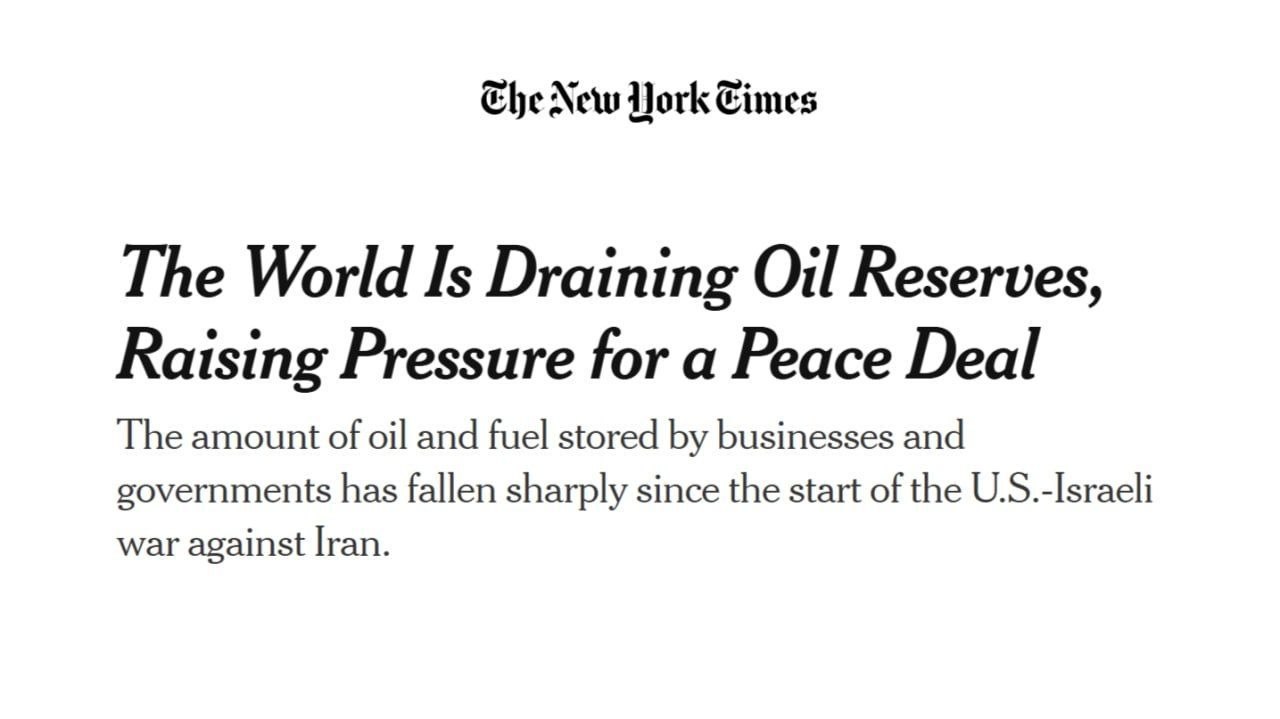
The blockade and its first effects
On 25 April 2026, the Trump administration announced that Iran's oil export infrastructure faced imminent collapse under a newly enforced American blockade of the Strait of Hormuz. The White House projection was stark: within three days, Tehran would have no viable route to ship the crude it was extracting. The Hormuz corridor — through which roughly a fifth of the world's oil passes on any given day — was no longer a contested transit lane but a chokepoint under direct American enforcement.
Eight days later, footage began circulating on Iranian-aligned Telegram channels purporting to show a hotel in Dubai with an American flag that had been, as one caption phrased it, "quickly pulled down" following what was described as missile or drone targeting. A second post from the same source featured what it labelled footage of "the conversation between America and the UAE by the Strait of Hormuz." Neither video had been independently verified by any of the wire services Monexus monitors as of publication.
What the Dubai incident actually shows
The Telegram posts in question originate from Tasnim Plus, a channel associated with the Tasnim News Agency, which operates close to Iran's Islamic Revolutionary Guard Corps. That institutional affiliation matters for calibration. Content from such sources rarely circulates without a deliberate messaging purpose attached.
The flag-lowering narrative, as presented, implies a specific geopolitical signal: that a Gulf partner host to significant American commercial and military presence had, under pressure, chosen to demonstrate deference to an adversary. Whether that reading is accurate, or whether it reflects a staged or selectively framed incident designed for regional audiences, cannot be determined from the available footage alone. The UAE's foreign ministry had issued no public statement on the incident as of 5 May 2026, and Reuters had not carried any corresponding report.
Hormuz as instrument of pressure
The broader context is the steady escalation of American economic pressure on Iran's oil sector since the withdrawal from the Joint Comprehensive Plan of Action. The Hormuz blockade is not new in rhetoric — it has been a fixture of American deterrent signalling since the 1979 revolution — but its active enforcement marks a shift from threat to implementation.
Iran's response has historically been to threaten closure and to posture through aligned media. What is less common is the speed at which the current administration moved from announcement to enforcement posture. The three-day timeline issued by the White House on 25 April was unusually specific, suggesting either genuine confidence in the blockade's effectiveness or a desire to compress Tehran's decision window. Whether Iran's oil infrastructure has in fact degraded as projected remains unconfirmed by international monitoring bodies.
The UAE's awkward position
The UAE sits in a structurally difficult place. It hosts the American Fifth Fleet's forward headquarters. It also hosts substantial Iranian commercial traffic through its free-trade zones and maintains a standing diplomatic channel with Tehran that Washington has periodically scrutinised. When Tasnim Plus publishes footage implying the UAE has capitulated to Iranian pressure — or conversely, that a Gulf hotel capitulated to American pressure — the timing is not incidental.
What the available sources do not tell us is what the UAE government or its state-connected business entities actually did on the ground. The flag-lowering narrative is doing a lot of work in the Telegram posts. That work needs to be treated as interpretive framing, not established fact.
What remains uncertain
Three dimensions of this story lack corroboration from open wire sources. First, the nature and outcome of any strike or approach operation targeting Dubai-area facilities on or around 3 May 2026 — the Telegram captions describe targeting but provide no independent confirmation. Second, the specific cause of the flag removal, which the source material attributes to the targeting but which could equally reflect an unrelated commercial, security, or diplomatic decision by hotel operators. Third, the actual state of Iran's oil export capability as of 5 May 2026 — the three-day projection from 25 April has passed, and neither Iranian state media nor international energy monitoring organisations have published updated throughput figures.
Until wire services or official government statements provide corroboration, the Tasnim Plus footage serves as a signal about how Tehran-aligned channels are framing the Hormuz crisis — not as a verified account of events on the ground.
Desk note: Wire services carried the blockade announcement but had not reported the Dubai hotel incident as of 5 May 2026 12:00 UTC. Monexus has framed the Telegram content as unverified Iranian-aligned media material rather than confirmed fact, and has declined to publish the footage link in body text pending corroboration.
Wire provenance
This editorial synthesis draws on the following public wire/social posts:
- https://t.me/tasnimplus/
- https://t.me/tasnimplus/
- https://t.me/sprinterpress/