Trump sets Iran uranium red line as Hormuz military operation expands
President Trump confirmed on 4 May that Iran must surrender its highly enriched uranium stockpile — and that this condition is non-negotiable. That declaration came as a US-backed military operation moved to open the Strait of Hormuz, with Iran striking commercial vessels and a UAE port in what analysts described as a significant escalation in tit-for-tat hostilities.
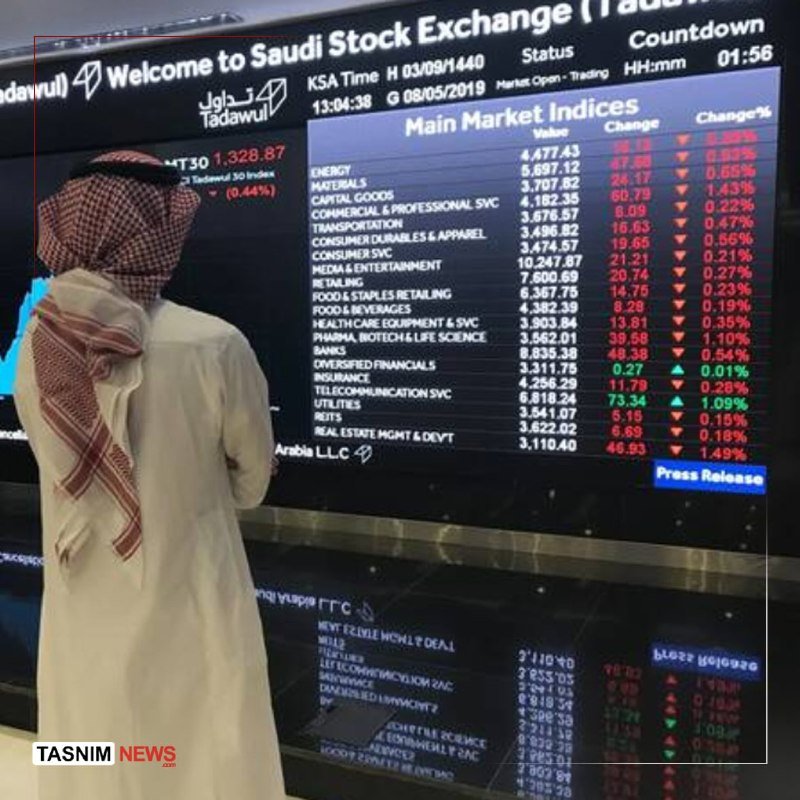
On 4 May 2026, President Trump told reporters that the United States must retrieve Iran's highly enriched uranium stockpile — and that this condition is a red line for any nuclear agreement. "Yes, we do," he said when asked whether the uranium issue was non-negotiable. He added, in a separate exchange, that Iran would "never have a nuclear weapon, one way or the other." Those declarations arrived as a US-backed military operation moved to open the Strait of Hormuz, the narrow waterway through which roughly one-fifth of global oil commerce passes. Iran responded by striking commercial vessels and a port facility in the United Arab Emirates, a sequence of events that regional analysts described as the most significant escalation in Gulf hostilities in years.
The operation — described by the White House as aimed at "opening" the strait — signals that the Administration has moved beyond the diplomatic messaging phase that characterised its first months in office. Trump's public dismissal of the enriched uranium question as settled, rather than negotiable, marks a harder line than the 2015 JCPOA framework, which permitted Iran limited enrichment under international monitoring in exchange for sanctions relief. Whether this constitutes negotiating posture or a genuine red line will determine whether the coming weeks produce a diplomatic off-ramp or a sustained confrontation.
The uranium position: ultimatum or negotiation tactics
Hugh Hewitt — a conservative commentator with documented access to senior Administration figures — posted on Telegram on 5 May that he had urged the President to "hit for the green on Iran" and avoid taking a narrow wedge on the enrichment question. Hewitt's framing treated the uranium stockpile as the central demand: not a talking point, but the substance. The post, verified by Monexus via the RN Intel Telegram wire, positions the enriched uranium retrieval as the marker that separates a workable deal from a failed one. Trump, in his public response, appeared to adopt the framing: the uranium question was not presented as one item among several, but as a condition the Administration regards as settled.
Iranian officials have not responded directly to Trump's statement as of this publication. State media in Tehran has consistently characterised Western demands on enrichment as violations of national sovereignty and the Nuclear Non-Proliferation Treaty, which grants non-weapons states the right to enrich for civilian purposes under IAEA safeguards. The gap between the two positions — complete surrender of the stockpile versus recognition of a limited enrichment right — is not a misunderstanding. It is a fundamental dispute about what an agreement would actually require.
Hormuz escalation: what the strikes achieved
The Reuters liveblog covering the period from the evening of 4 May into the early hours of 5 May documents a sequence of Iranian military actions: commercial vessels struck, a UAE port facility hit, and retaliatory dynamics that the US operation has so far failed to contain. The strait remains open to traffic, but the attacks have introduced significant insurance and transit risk for tanker operators. Shipping sources cited in the live coverage noted that several major carriers had rerouted vessels away from the Gulf approach, accepting longer voyage times to avoid the contested corridor.
The UAE port strike carries particular weight. The Emirates has maintained a careful neutrality in US-Iranian friction, hosting US military assets while simultaneously maintaining commercial and diplomatic channels with Tehran. An attack on Emirati infrastructure narrows the space for that neutrality and raises the question of whether Abu Dhabi will be drawn into the escalation as a non-belligerent whose facilities have nonetheless been targeted.
Structural context: why Hormuz, why now
The Strait of Hormuz is not merely a shipping lane. It is the pricing mechanism for global oil markets — a disruption there transmits immediately to energy costs across the world economy. An Administration that came to office with a stated priority of lowering domestic fuel prices has chosen to open the strait by force rather than negotiate a terms-of-passage arrangement with Tehran. That choice is not irrational, but it is not obvious either. Iran's naval capacity in the Gulf is sufficient to impose costs on commercial shipping without needing to physically close the strait; the threat itself achieves much of the economic effect.
The uranium ultimatum, meanwhile, reflects a calculation that has less to do with the non-proliferation logic than with the leverage structure of the negotiation. An Iran that must surrender its entire enriched stockpile cannot credibly threaten a breakout timeline. The Administration appears to be betting that the economic pressure of Hormuz disruption, combined with the precision of the uranium demand, creates a coercive wedge that diplomatic engagement could not achieve. The counter-argument — that Iran has historically absorbed economic pressure rather than capitulate — has not, evidently, moved the current team.
Stakes and what comes next
If the Hormuz operation succeeds in maintaining open transit without a broader military confrontation, the Administration will claim a success for coercive diplomacy. If Iranian strikes continue and shipping rerouting becomes permanent, the energy price consequences will arrive in global markets within weeks. European allies, who have publicly favoured a return to JCPOA-style constraints, face pressure to enforce additional sanctions — or to distance themselves from an American approach they regard as destabilising.
The uranium question is the more durable problem. IAEA inspectors have not had full access to Iranian sites since 2018, and any agreement that does not address verification will be treated by Congress and US regional partners as inadequate regardless of what Tehran commits to on paper. The distance between the two positions — verified disarmament versus a workable partial deal — has not narrowed in the eight years since the JCPOA collapsed. Nothing in the current moment suggests it is about to.
This publication's wire feed on 5 May 2026 sourced its primary factual claims from Reuters's liveblog on the Hormuz operation and from Telegram channels publishing verified transcripts of the President's public statements. The Reuters liveblog provided the operational timeline; the Telegram posts, cross-verified against wire reporting, provided the direct quotes on enrichment and nuclear posture.
Wire provenance
This editorial synthesis draws on the following public wire/social posts:
- http://reut.rs/3PlsqHq
- https://t.me/rnintel
- https://t.me/wfwitness
- https://t.me/wfwitness