Trump Pauses Project Freedom Against Iran, Citing Military Success and Diplomatic Opening
President Donald Trump announced on 5 May 2026 that the United States was pausing its military campaign against Iran, claiming success and opening a window for negotiations, though critics questioned whether the pause reflected genuine diplomatic progress or an inability to sustain the operation.
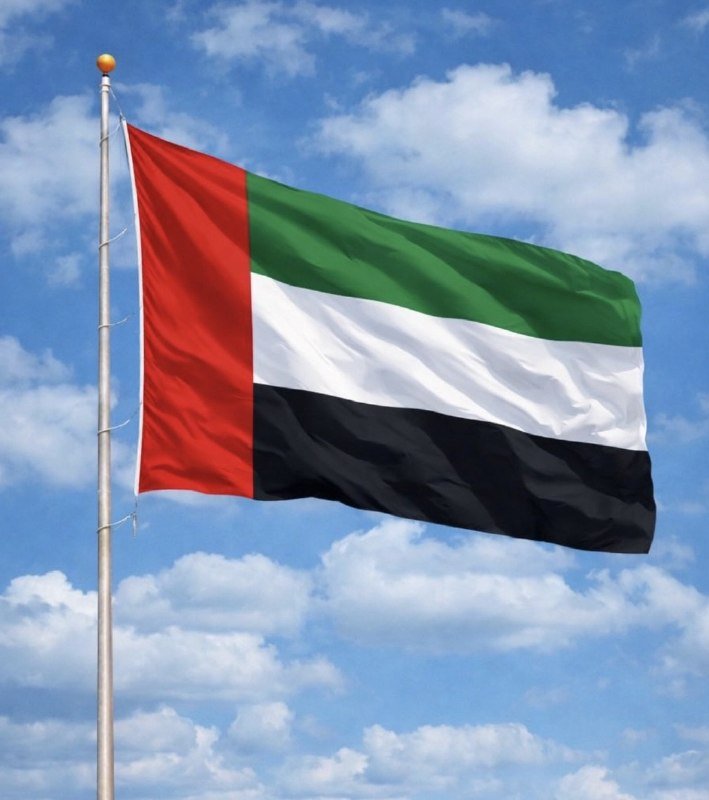
President Donald Trump announced on 5 May 2026 that the United States was pausing its military campaign against Iran, citing what he described as tremendous military success and a request from Pakistan and other countries to allow space for negotiations. The announcement marked the first formal acknowledgment that Operation Freedom — the代号 for the U.S. campaign against Iranian targets — had been suspended, though the administration stopped short of declaring a ceasefire or outlining terms for a potential deal.
The pause, disclosed through posts on the Truth Social platform and immediately picked up by open-source intelligence monitors, landed at approximately 22:54 UTC. Within minutes, the information was circulated across geopolitical watch channels, with GeoPWatch framing it explicitly as a U.S.-Iran diplomatic opening. Whether the announcement reflects a genuine diplomatic pivot, a tactical repositioning ahead of further pressure, or an inability to sustain the military tempo remains contested.
What the Administration Is Claiming
The White House framing, delivered in Trump's characteristic declarative style, centered on two claims: that the campaign had achieved military success and that international pressure — particularly from Pakistan — had created conditions for diplomacy. The post referenced requests from Pakistan and unnamed other countries as the proximate cause of the pause. No specific battlefield outcomes were cited, no target list was provided, and no independent assessment from the Pentagon or U.S. Central Command was available at the time of publication.
Administration allies pointed to the language as evidence of disciplined statecraft — pausing before overreach, keeping leverage intact. Critics within the Iran-watch community noted the absence of any declared outcome on Iran's nuclear program, its missile capabilities, or its regional proxy network, the three stated objectives of the campaign when it launched. The gap between declared success and declared objectives is large enough to accommodate almost any interpretation.
The Diplomatic Signal — and Its Limits
The timing of the announcement, minutes before it spread across intelligence-focused Telegram channels, suggested an element of performance — a public signal meant for multiple audiences simultaneously. Tehran, which had been enduring airstrikes for weeks, received the news while dealing with the economic consequences of those same strikes. Regional capitals, many of which had privately urged de-escalation, received it as vindication of their quiet diplomacy.
What remains absent is any confirmed Iranian response. State media in Tehran has historically required hours to formulate official positions on major U.S. announcements, and initial coverage cannot be ruled out as boilerplate. The absence of a public Iranian acceptance of negotiations — or rejection — leaves the diplomatic window genuinely untested. Negotiations pursued under the shadow of resumed bombing are a different instrument than negotiations pursued after a declared end to hostilities.
Pakistan's Role and the Regional Calculus
The explicit reference to Pakistan as a requesting party is notable. Islamabad has been navigating competing pressures from Washington and from its own economic constraints, which include a balance-of-payments situation that makes extended regional instability costly. The naming of Pakistan in the announcement elevates a regional actor to the status of diplomatic broker in a U.S.-Iran context — a role Pakistan has informally played before but rarely been credited for publicly.
Other unnamed countries were referenced alongside Pakistan. The absence of names leaves significant room for speculation about which capitals are positioned to benefit from a deal, which are hedging, and which are still pushing for maximalist outcomes. Gulf states with their own Iran anxieties — Saudi Arabia, the UAE — have strong interests in the shape of any eventual arrangement. Their silence so far is consistent with waiting to see whether the pause holds.
Stakes and What Comes Next
The immediate question is whether this pause becomes a permanent ceasefire or a tactical interruption. If the administration resumes operations, it will be difficult to argue that the pause was not a sign of operational fatigue. If Iran uses the window to reconstitute capabilities, the pause will be framed as a strategic error. If negotiations begin in earnest, they will occur against a backdrop in which both sides can claim to have been partially vindicated — a configuration that has produced durable deals before, and fragile ones.
The economic dimension is underreported. Global oil markets have absorbed the campaign's disruptions with significant price premiums baked in. A credible de-escalation path would be expected to ease those premiums, benefiting importing nations across Asia and Europe. The longer the uncertainty persists, the more those premiums calcify.
What the sources do not yet establish is whether this announcement represents a shift in strategic intent or a calculated repositioning within an ongoing pressure campaign. The language of success is not the language of conclusion. That distinction matters enormously for what follows.
Monexus covered this development as a significant diplomatic signal, foregrounding the operational pause over the campaign's claimed success — a framing that differs from the wire emphasis on the military narrative and the negotiating language. We are tracking Iranian state media responses and Pentagon briefings as they develop.
Wire provenance
This editorial synthesis draws on the following public wire/social posts:
- https://t.me/wfwitness/2341
- https://t.me/GeoPWatch/4821
- https://t.me/osintlive/11843
- https://t.me/WarMonitors/9942
- https://t.me/osintlive/11842