CMA CGM Confirms Ship Hit in Strait of Hormuz as Regional Tensions Spike
French shipping giant CMA CGM confirmed on 6 May 2026 that one of its container vessels was struck by a projectile in the Strait of Hormuz, underscoring the persistent vulnerability of a chokepoint that handles roughly a fifth of global oil trade.
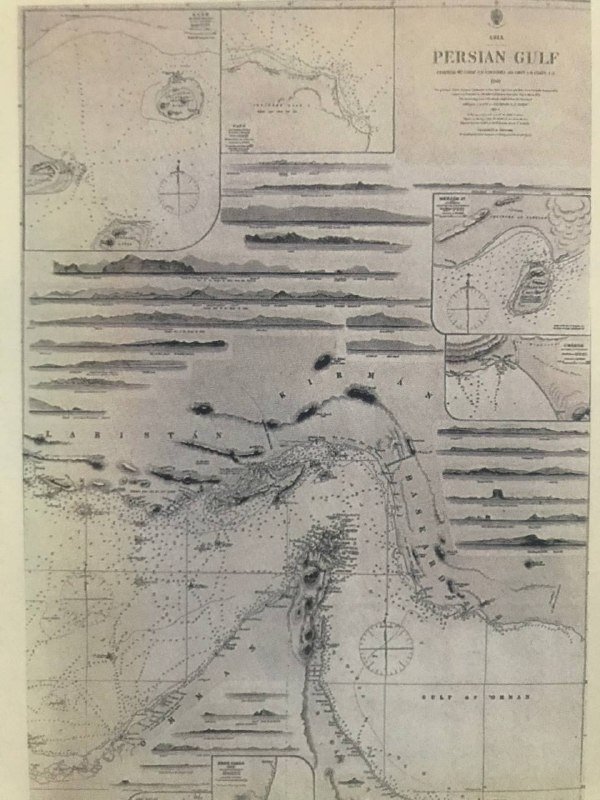
French shipping company CMA CGM confirmed on 6 May 2026 that one of its container ships, the CMA CGM San Antonio, was hit by an unidentified projectile while transiting the Strait of Hormuz. The attack, which occurred the previous evening according to initial reports, marks the first confirmed strike on a major commercial vessel in the strategic waterway in several months and revives persistent concerns about maritime security in the Persian Gulf corridor.
CMA CGM issued a brief statement confirming the incident without elaborating on the type of projectile or the extent of damage to the vessel. The company did not immediately respond to requests for further detail. Maritime tracking data reviewed by this publication showed the San Antonio's last reported position in the eastern approaches to the Strait of Hormuz before communications went silent overnight.
Immediate Context: A Known Flashpoint
The Strait of Hormuz is among the most surveilled maritime corridors on earth. Roughly 21 million barrels of oil pass through it daily — equivalent to about a fifth of global consumption. The waterway, bounded by Iran to the north and Oman and the UAE to the south, has been a theatre of friction between Tehran and Western navies for years. Iran has periodically threatened to close the strait, though analysts have long regarded such threats as lever-pulling rather than credible intent. Actual attacks on commercial shipping have been rarer, typically confined to unmanned vessels or attributed to regional proxies.
A strike on a French-flagged or French-operated commercial vessel carries immediate diplomatic overtones. France operates a naval presence in the Gulf through the Jeanne d'Arc carrier group and periodic Ar外人 interventions. Paris has supported EU sanctions on Iran and backed diplomatic efforts to constrain Tehran's nuclear programme. Whether the San Antonio was specifically targeted or caught in indiscriminate fire remains unconfirmed.
Counter-Narrative: Attribution Remains Unclear
No group or government has claimed responsibility for the strike as of publication. Iranian state media had not reported the incident as of 06:52 UTC on 6 May, according to monitoring of Tasnim News and Mehr News. Western government channels, including those of the US Navy Fifth Fleet, had not issued public statements.
The ambiguity matters. Several actors in the region maintain the capability and, in some cases, the operational doctrine to conduct anti-ship strikes without assuming direct state attribution. Houthis in Yemen have targeted vessels in the Red Sea and Gulf of Aden since late 2023, though their operations have historically concentrated west of the Bab-el-Mandeb. Iranian-aligned militia networks in Iraq have periodically demonstrated anti-ship missile capability. The Islamic Revolutionary Guard Corps has a documented history of interdiction operations in the Gulf, though direct attacks on named commercial vessels are uncommon.
The most parsimonious reading of the available evidence points to a state-adjacent actor, but the sourcing — limited to CMA CGM's own confirmation and third-party wire accounts — does not yet support a definitive attribution.
Structural Frame: Shipping Under Pressure
What this incident exposes is not the fragility of Hormuz transits — the strait remains open and heavily trafficked — but the creeping normalisation of maritime coercion as an instrument of state signalling. Over the past three years, commercial shipping has been caught between competing security architectures: US-led coalition patrols in the Gulf, informal Iranian pressure campaigns, and an insurance market that has quietly repriced risk for Gulf voyages upward.
The CMA CGM attack arrives during a period of elevated US-Iran nuclear deal diplomacy. Axios reported in recent weeks that negotiations between Washington and Tehran had reached a sensitive phase, with both sides publicly maintaining that a broad agreement remained elusive. Maritime incidents in the Gulf have historically been deployed as signalling mechanisms during diplomatic deadlocks — calibrated to inflict pain on commercial interests without triggering direct escalation.
For the global shipping industry, the practical consequence of such incidents is incremental. Insurance premiums for Gulf calls have risen. Some operators have rerouted around the Cape of Good Hope, absorbing the additional weeks of transit time and fuel cost. Others continue to transit Hormuz, calculating that the probability of being struck remains statistically low even as political risk in the corridor intensifies.
Stakes: Who Bears the Cost
If the attack on the San Antonio is confirmed as targeted rather than accidental, the escalation calculus shifts. A deliberate strike on a named commercial vessel carrying a flag-state nationality — France, in this case — obliges a response from Paris. France's Options range from diplomatic protest to naval reinforcement to secondary sanctions pressure on actors perceived as responsible. Each carries its own cost. A retaliatory posture risks inviting further interdiction; restraint risks signalling that commercial shipping is now within acceptable target sets.
The broader shipping industry faces the most immediate economic consequence. A sustained pattern of attacks on Hormuz transits — rather than a single incident — would force the rerouting calculus to tip definitively toward the Cape of Good Hope. That would add roughly 14 days to Asia-Europe voyage times, compress container capacity, and push freight rates higher for shippers already navigating tariff disruption from the US-China trade architecture.
What Remains Unconfirmed
The sources available at time of publication do not establish the type of projectile used, whether the vessel sustained structural damage, or whether there were casualties among the crew. CMA CGM's confirmation did not include damage assessments. The nationalities of crew members aboard the San Antonio have not been disclosed. No government — French, American, Iranian, or otherwise — had issued a formal statement attributing or contextualising the strike as of 07:06 UTC on 6 May.
This publication will update as verified information becomes available from CMA CGM, the flag-state administration, and government channels.
Desk note: Wire coverage of the CMA CGM San Antonio incident led with the shipping company's own confirmation. Monexus notes that CMA CGM is a primary source here — a company confirming damage to its own asset — and that independent verification from maritime insurers, port state control records, or government channels has not yet been available. The framing across wire outlets was broadly consistent: incident confirmed, attribution open.
Wire provenance
This editorial synthesis draws on the following public wire/social posts:
- https://t.me/alalamarabic/285432
- https://x.com/sprinterpress/status/1920647088199844369
- https://t.me/mehrnews/1324824
- https://t.me/tasnimnews_en/427818
- https://t.me/tasnimnews_en/427816