Cowboys Roll the Dice on Depth Over Dominance With Parsons Departure
Dallas shipped one of the league's most disruptive defenders to a division rival, insisting the roster construction math works. The numbers suggest otherwise.
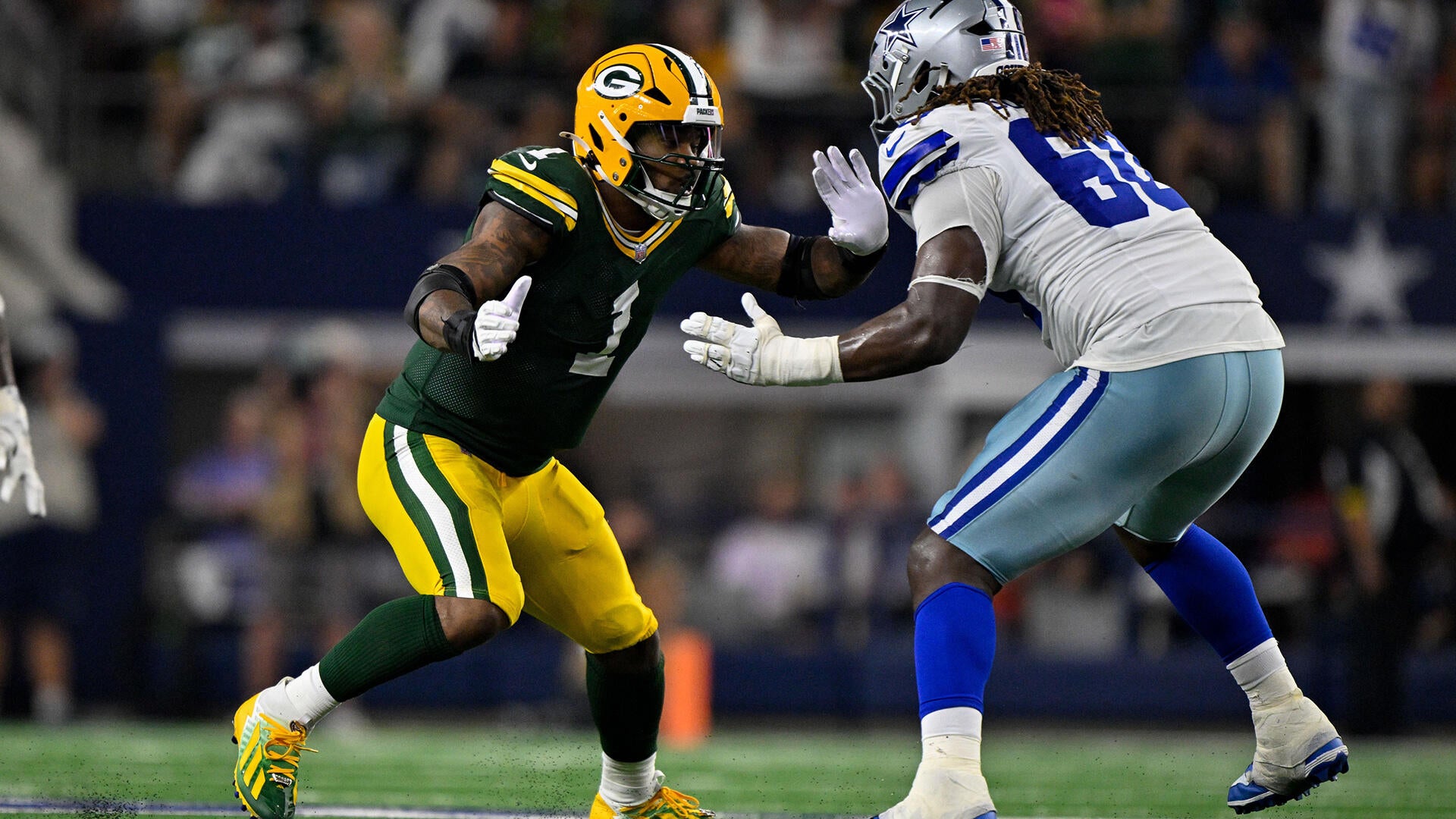
The Dallas Cowboys traded Micah Parsons to a division rival on 6 May 2026. The return—a package of draft picks and a mid-tier contract—left enough cap space to sign three rotational defenders. Dallas's decision-makers called the move "really good" for the franchise's long-term health. The league's analytics community called it something else.
Parsons leaves as the NFL's most prolific pressure generator over the past four seasons, a player whose ability to collapse pockets from multiple alignments made him the centerpiece of Dallas's defensive identity. Replacing that kind of production is not a depth exercise. It is a structural rebuild of the pass-rush architecture.
The Numbers Behind the Decision
The Cowboys entered 2026 with approximately $18 million in cap space after the trade, according to league salary-cap filings. That figure sounds comfortable until you map it against the open roster spots. Dallas used the Parsons savings to address three positions: interior defensive line, safety depth, and a veteran linebacker signed to a two-year deal.
The draft picks received in return include a 2027 second-rounder and a 2026 fourth-round selection. Cowboys scouts publicly praised the incoming class, noting positional versatility. Internal projections—relayed through unnamed sources to CBS Sports—estimated the acquired picks would develop into "solid starters within two years." The franchise has not made a Conference Championship game since the 1995 season, a span that predates the current front office by three decades. The urgency of those timelines does not align neatly with two-year development windows.
Depth as Doctrine
Dallas's preferred framing is that the NFL is a team sport decided by rosters, not individuals. The argument has surface validity. The Kansas City Chiefs lost Tyreek Hill and won Super Bowls. The San Francisco 49ers dealt multiple high-round picks and remained contenders. Roster depth, the logic goes, absorbs churn better than any single star can manufacture wins alone.
The flaw in that analogy is what Parsons actually was. He was not a high-volume receiver who could be replaced by committee. He was a defensive fulcrum—lined up inside, outside, standing, and in coverage—who forced opposing coordinators to scheme around him specifically. When he was on the field, Dallas's secondary played tighter. When he was off it, opposing quarterbacks operated with cleaner windows.
Pass-rush win rates in 2025 placed Parsons in a category shared by only three other defenders league-wide: a pressure created on better than 28 percent of snaps when aligned as a rusher. The Cowboys' next-best pressure generator finished the season at 19 percent. That gap does not disappear with cap flexibility.
The Cost of Conviction
To be fair to Dallas's position, the franchise was not operating from a position of cap health. Parsons was seeking a deal that would have paid him among the top five defensive players in the league—an understandable ask for someone entering his physical prime. The Cowboys had already committed significant money to quarterback Dak Prescott and edge defender Demarcus Lawrence. Adding a third mega-contract would have left the organization functionally unable to address offensive line depth, a position that finished 2025 ranked 24th in pass-block win rate.
The calculus becomes clearer when viewed through the lens of franchise-wide roster health rather than defensive ceiling in isolation. Dallas's front office made a choice: accept a lower floor on defense to maintain a higher floor everywhere else.
What remains unclear is whether the Cowboys have correctly assessed their window. Prescott turns 33 before the 2026 season opener. Lawrence is 31 and coming off a season interrupted by foot surgery. The receiving corps needs rebuilding. The secondary has one Pro Bowl-caliber player under the age of 28. This is not a team one player away from contention. It is a team navigating a broader roster transition, and the Parsons trade reflects that reality as much as it reflects any philosophical preference for depth.
The Forward Stakes
If the Cowboys are right, they emerge from this decision as a smarter, more resilient organization that won the trade on value. If they are wrong, they will have traded away their best defensive player during the final competitive years of Prescott's contract, extracted insufficient compensation, and learned that depth in the NFL is not a strategy—it is a luxury teams with stars can afford.
The 2026 season will answer the question Dallas's front office has asked: whether the sum of their parts exceeds the cost of keeping one. The league will be watching. So will the rest of a division that just got significantly more dangerous.
This desk initially framed the Parsons trade as a straightforward talent-loss story. The Cowboys' cap situation, however, makes the decision more defensible than a surface read suggests—and more consequential if the roster construction theory proves wrong.