Hungary Returns Seized Oschadbank Funds in Rare Diplomatic Gesture Toward Kyiv
Budapest returned funds and valuables of Ukraine's state savings bank that had been seized in March, a move President Zelenskyy described as a significant step in bilateral relations after months of friction over minority rights and EU sanctions policy.
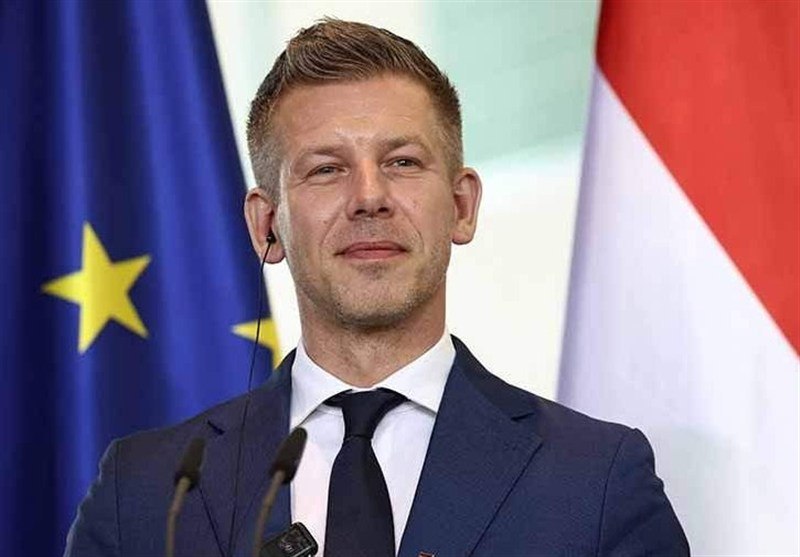
On the afternoon of 6 May 2026, Hungary returned funds and valuables belonging to Oschadbank, Ukraine's state savings bank, that Hungarian special services had seized six weeks earlier, President Volodymyr Zelenskyy announced via his official social media account. The seizure had occurred in March during the detention of Ukrainian cash couriers operating in Hungary — a move that strained what have been among the most fractious bilateral relationships inside the European Union.
Zelenskyy framed the return as more than a procedural correction. "An important step in relations with Hungary," he wrote. "Today the funds and valuables of Oschadbank, which were seized by the Hungarian special services in March, were returned." He thanked Budapest without elaborating on whether any quid pro quo accompanied the decision. The Hungarian government had no immediate comment from officials reached for reaction as this article went to publish.
The Seizure and Its Aftermath
The March detention of the Ukrainian couriers and the subsequent seizure of Oschadbank assets represented an unusually aggressive move by Hungarian authorities against a Ukrainian state financial institution. Oschadbank, a state-owned entity handling retail savings and basic banking services for Ukrainian citizens, operates no meaningful physical footprint inside Hungary. The sources reviewed do not specify the amount of funds involved or the nature of the valuables, nor do they clarify what legal authority Hungarian services cited for the seizure.
Hungary under Viktor Orbán has repeatedly used financial and administrative levers against Ukrainian interests within EU structures — most notably by blocking tranches of EU military and budgetary support for Kyiv. The seizure of a state bank's assets during a courier detention, however, appeared calibrated to send a pointed bilateral signal rather than respond to any publicly disclosed financial crime investigation. It was not immediately clear from the sources whether any charges were filed against the couriers or what specific activity prompted the Hungarian special services' involvement.
A Pattern of Selective Cooperation
The return of the funds lands against a backdrop of deeply inconsistent Hungarian behavior toward Ukraine. Budapest has obstructed EU sanctions packages, delayed arms shipment approvals through its territory, and maintained commercial ties with Russian entities that most other EU member states severed after the 2022 invasion. Yet Hungary has also participated in NATO exercises, hosted diplomatic talks involving Ukrainian officials, and on occasion voted in favor of EUUkraine frameworks — a pattern that defies easy categorisation as either reliably hostile or constructively engaged.
The Oschadbank episode fits that ambiguity. Seizing state bank assets during a courier detention was an act that caused diplomatic damage. Returning them quietly, without fanfare from Budapest, suggests a calculus that whatever signal the seizure was meant to send had run its course — or that pressure, diplomatic or otherwise, made the reversal more useful than the continuation.
The EU's own relationship with Hungary has been governed since 2022 by rule-of-law proceedings that have periodically frozen Budapest's access to cohesion funds. Those proceedings remain ongoing, and any Hungarian gesture toward Kyiv exists within that larger accountability framework — one that Orbán's government has navigated by alternating between confrontation and tactical accommodation.
What the Return Signals — and What It Does Not
The timing matters. The return came on 6 May, a date that falls within a period of renewed discussion inside the EU about sustaining military and financial support for Ukraine through 2026 and beyond. Hungary holds a blocking minority on several EU aid mechanisms, and its position has consistently been that any path forward requires direct US involvement and a negotiated settlement that Kyiv has publicly rejected.
For Kyiv, any normalization of ties with Budapest carries operational value beyond the symbolic. Ukraine's financial architecture relies partly on correspondent banking relationships that touch European financial centers, and state bank assets frozen or contested in EU member states create downstream legal complications. The return removes at least one irritant, even if the structural disagreements — over Transcarpathian Hungarian minority rights, over EU sanctions, over Hungary's Russia posture — remain unresolved.
Zelenskyy's public gratitude was calibrated, acknowledging the step without overstating it. The absence of a parallel statement from Prime Minister Viktor Orbán or any senior Hungarian official suggests Budapest is not eager to frame this as a concession or a warming. That restraint is consistent with Hungarian diplomatic practice under this government: act where strategic interests align, avoid any language that implies ideological distance from Russia, and keep bilateral pressure levers intact for future use.
Unresolved Questions
The sources reviewed do not specify the dollar value of the returned funds, the nature of the seized valuables, whether any charges were filed against the Ukrainian couriers, or the specific legal mechanism Hungarian authorities cited for the seizure. A request for comment from the Hungarian Ministry of Interior had not received a response as of publication. Whether the return was unilateral or part of a discrete diplomatic understanding — and what, if anything, Kyiv offered in exchange — remains undisclosed in the public record.
The broader trajectory of Hungarian-Ukrainian relations will not be reshaped by a single asset return. But in a relationship defined largely by friction, even a small acts of de-escalation carry signal value — both for what Budapest is willing to do, and for the limits of what it is willing to say about doing it.
This publication's wire intake captured the story from Ukrainian official channels and OSINT aggregators operating in near-real-time. Western wire services had not published standalone items on the Oschadbank return as of 13:07 UTC on 6 May 2026.
Wire provenance
This editorial synthesis draws on the following public wire/social posts:
- https://t.me/V_Zelenskiy_official/4872
- https://t.me/noel_reports/8921
- https://t.me/osintlive/11403
- https://en.wikipedia.org/wiki/Oschadbank
- https://en.wikipedia.org/wiki/Hungary%E2%80%93Ukraine_relations