Israeli Airstrike Targets Hezbollah Radwan Force Commander in Beirut
Israeli fighter jets struck a senior Hezbollah military commander in the Dahiyeh suburb of Beirut on 6 May 2026, marking a significant escalation in cross-border hostilities with the Israeli military naming the target as Malek Balut, commander of Hezbollah's elite Radwan Force.
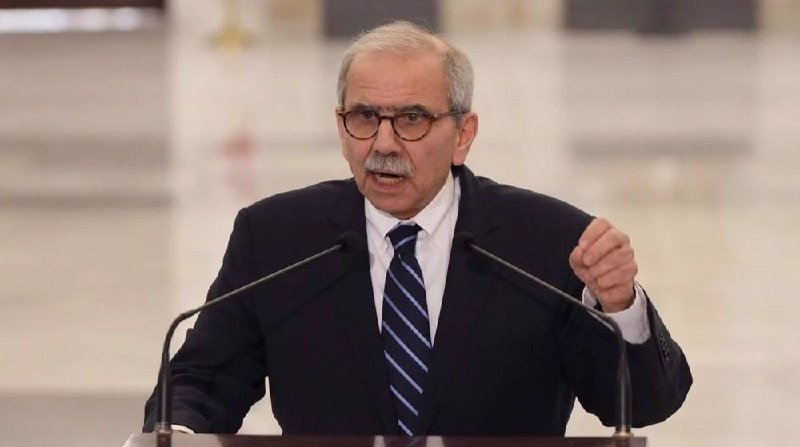
The Israeli Air Force carried out an assassination strike in the Dahiyeh suburb of Beirut on 6 May 2026, targeting a senior commander from Hezbollah's elite Radwan Force, according to statements from the Israel Defense Forces and reporting by Israeli military correspondents. Galei Tzahal, the IDF's official radio outlet, confirmed that the strike in the Dahiyeh neighbourhood of the Lebanese capital was aimed at eliminating a Radwan Force commander. Israeli Channel 14, citing security sources, identified the target as Malek Balut, who Israeli outlets described as the commander of Unit 125, Hezbollah's specialist force tasked with cross-border infiltration operations into Israeli territory.
Israeli Prime Minister Benjamin Netanyahu acknowledged the strike, stating that the IDF had successfully targeted the Radwan Force commander in the heart of Beirut. IDF fighter jets were reported to be loitering over southern Syria, according to intelligence reports from regional monitoring channels, with officials suggesting additional strikes could follow. The strike hit the Haret Hreik neighbourhood of Dahiyeh, a densely populated southern suburb of Beirut that serves as Hezbollah's primary political and military base. There was no immediate independent confirmation from Hezbollah regarding the strike's outcome or the fate of the named commander.
The Radwan Force represents Hezbollah's most operationally advanced unit, designed specifically for ground incursions into northern Israel. Israeli military intelligence has long designated the unit as among the most direct threats to Israeli communities along the border. Targeting its commander inside Beirut's populated southern suburbs carries inherent risk of civilian casualties in a densely built residential area and has historically prompted tit-for-tat responses that bring the two sides to the edge of broader hostilities.
Israel and Hezbollah have maintained an uneasy ceasefire along the Lebanon-Israel border since the 2006 war, but cross-border strikes and targeted operations have persisted, occasionally escalating into periods of intense exchange fire. The Radwan Force has been a particular focus of Israeli security planning; its operatives have been killed in previous Israeli strikes, though the elimination of a named commander of Balut's apparent seniority would represent a notable escalation. The timing coincides with wider Israeli operations in the region, as the IDF simultaneously conducts strikes in Syria and Gaza, suggesting a multi-front posture rather than a singular calibrated response.
The strike drew swift reaction from regional capitals. Lebanese authorities reported civilian infrastructure damage in the vicinity of the strike zone, though casualty figures remained contested and unverified at time of publication. Hezbollah has not publicly confirmed whether its commander was killed or the extent of casualties in the strike, and independent verification of the target's status remains unavailable. Western diplomatic sources, speaking on condition of anonymity, said they were monitoring the situation for signs of a formal Hezbollah response, which would determine whether the episode remains a targeted assassination or escalates into a broader exchange.
The structural logic of targeted killings against non-state military commanders operating from sovereign civilian infrastructure presents persistent dilemmas for international law and diplomatic efforts to contain regional conflict. Israel has argued that commanders embedded in residential areas forfeit civilian protections when they use those areas for military command functions. Critics note that such strikes rarely achieve lasting degradation of militant capabilities and frequently generate political escalation that complicates ceasefire negotiations. The strike's strategic calculus for Israel will depend on whether the elimination of a single commander disrupts Radwan Force operations sufficiently to justify the diplomatic cost, or whether it triggers a response that forces Israel into a broader campaign it did not intend.
The immediate next question is whether Hezbollah responds militarily or allows the strike to stand without escalation. In previous cycles of targeted killings, the group has absorbed losses and responded with measured rocket fire calibrated to avoid triggering the level of Israeli retaliation that would draw Israel into a full ground campaign. Whether Balut's status warrants a departure from that approach will be determined by the group's internal deliberations, which remain opaque to outside observers. What is clear is that the strike has narrowed the space for diplomatic management of the Israel-Hezbollah front at a moment when ceasefire talks on multiple other fronts are already fragile.
This publication's reporting on the strike drew on Telegram-channel wire reports from the Dahiyeh area, which remain the fastest information feeds for breaking events in this theatre. The wire framing prioritised the Israeli security assessment of the Radwan threat. Monexus notes that independent on-ground verification of targets, casualties, and command status remains limited in the immediate hours following the strike.
Wire provenance
This editorial synthesis draws on the following public wire/social posts:
- https://t.me/rnintel/1247
- https://t.me/rnintel/1248
- https://t.me/rnintel/1249
- https://t.me/rnintel/1250
- https://t.me/ClashReport
- https://t.me/wfwitness