Macron's Strait of Hormuz Gambit: Paris Pushes to Keep Oil Flowing While US and Iran Negotiate
French President Emmanuel Macron spoke with Iranian President Masoud Pezeshkian on 6 May 2026, pushing a proposal to reopen the Strait of Hormuz even before any formal end to the US-Iran conflict — a gambit laden with political and logistical obstacles.
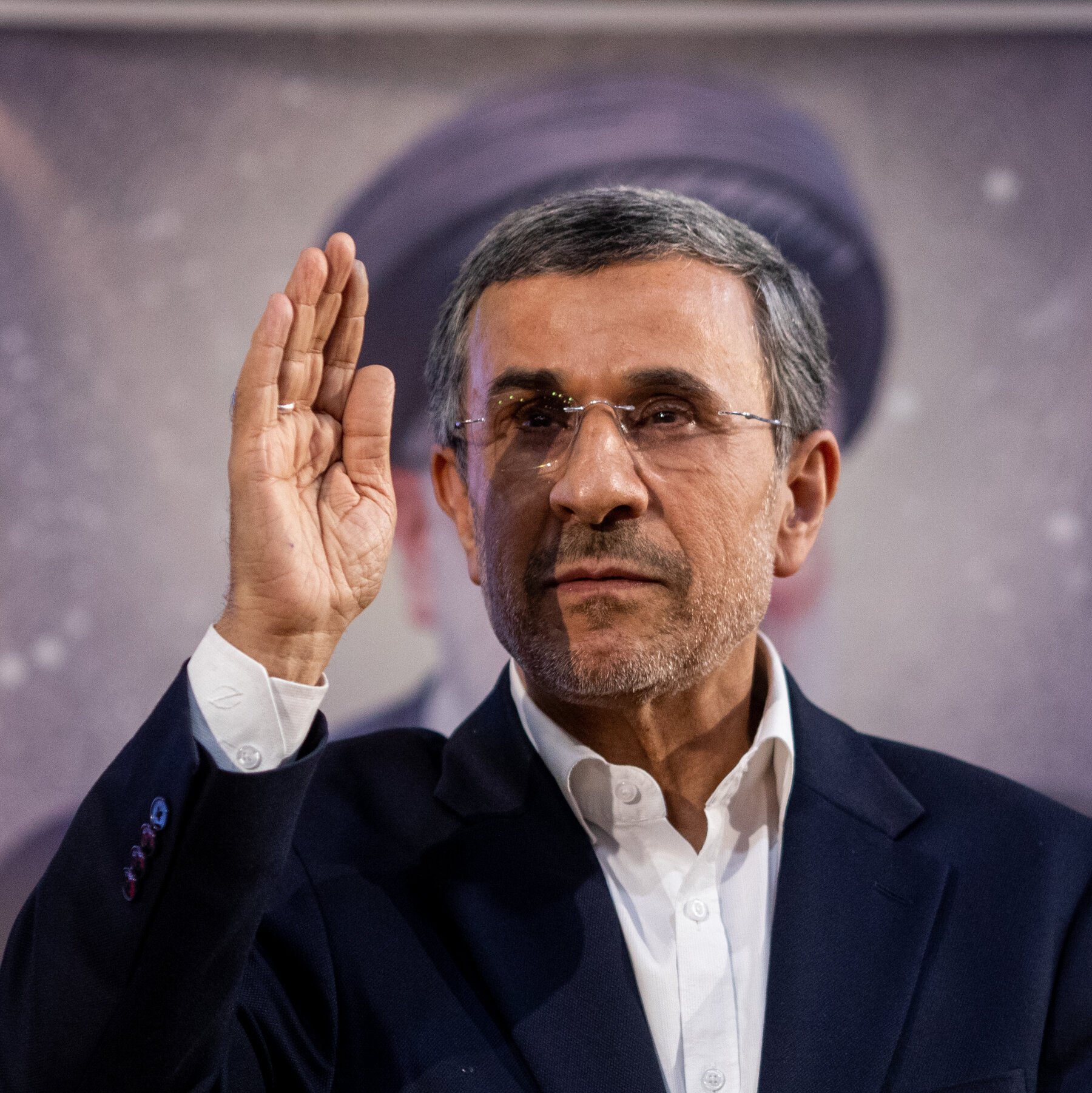
French President Emmanuel Macron held a telephone conversation with Iranian President Masoud Pezeshkian on 6 May 2026, discussing the status of ongoing US-Iran negotiations and the contested Strait of Hormuz, according to Iranian state media reports from PressTV, Mehr News, and Tasnim News. Macron has floated the idea that the strategic waterway — through which roughly a fifth of the world's oil passes — could be reopened before a formal end to the US-Iran conflict, a proposition that diplomats on multiple continents are now examining with a mixture of interest and scepticism.
The proposal, if it moves beyond diplomatic talking points, would require commitments from all sides that analysts consider technically separable from the larger questions blocking a comprehensive agreement. It would demand Iranian naval de-escalation in Gulf waters, a corresponding American acceptance of Iranian commercial activity, and third-party guarantees that the reopening could hold even if talks on nuclear programmes and sanctions collapse. Whether Macron can broker those commitments simultaneously is the central question now occupying several foreign ministries.
The Call and Its Immediate Context
The 6 May conversation between Macron and Pezeshkian was described by Iranian state media as covering "the latest regional developments, Iran-US negotiations, and the status of the Strait of Hormuz." The French presidency confirmed the call took place without releasing a full readout. No joint statement was issued, and neither side provided detailed accounts of specific commitments made or received during the conversation.
Macron's office has signalled that keeping the Strait of Hormuz open — or reopening it — is a French foreign policy priority, given Europe's dependence on Gulf oil and liquefied natural gas shipments that transit the waterway. The New York Times reported on 6 May that Macron hopes the strait can be reopened even before the US-Iran war formally ends, a timeline that would compress the diplomatic window considerably.
French diplomacy under Macron has long positioned Paris as a potential interlocutor between Washington and Tehran, a role rooted partly in France's historical commercial ties to Iran and partly in the Elysee's broader ambition to wield independent influence in Middle Eastern security affairs. That ambition now confronts a conflict that has already produced significant military exchanges and no shortage of mutual suspicion.
Obstacles on Every Side
Any plan to reopen the Strait of Hormuz runs into immediate complications. Iran's Revolutionary Guard Navy has maintained an enhanced operational presence in Gulf waters since the conflict escalated, and the US Fifth Fleet has correspondingly increased its patrols. Unwinding those postures in a way that both sides accept as verifiable — and that survives domestic political pressure in Tehran, Washington, and the Gulf monarchies — is a tall order.
The negotiating track between the United States and Iran, according to reporting by The New York Times, remains focused on the broader question of whether a formal end to hostilities is achievable. Macron's gambit attempts to decouple the strait's status from that larger settlement, essentially arguing that both sides could announce a partial de-escalation in Gulf waters without resolving the underlying disputes that produced the conflict. Whether Washington or Tehran will accept that framing is not yet clear.
Gulf state reactions add another layer. Saudi Arabia, the UAE, and their partners have watched the US-Iran confrontation with acute interest, given their own maritime security concerns and their complicated relationships with both Tehran and Washington. Any arrangement that grants Iran relief from naval pressure in exchange for reopening shipping lanes will require careful calibration with Gulf state interests — calibration that Paris has not yet publicly demonstrated it has secured.
The Oil Market Variable
The economic stakes are not abstract. The Strait of Hormuz is the world's most critical chokepoint for oil shipments, with daily volumes that dwarf any alternative route. Disruptions to traffic through the strait — whether from military incidents, mined shipping lanes, or outright blockade — have historically produced sharp price spikes in global energy markets.
European refineries and Asian importers alike have a direct interest in keeping the waterway open or restoring it to normal operations as quickly as possible. That economic reality gives Macron's proposal a receptive audience in London, Berlin, and Brussels, where governments have watched energy inflation reshape domestic politics repeatedly over the past decade. Whether that economic urgency translates into political leverage over Tehran or Washington is a separate question — one that will test the limits of European diplomatic influence in a conflict these nations did not start and cannot fully control.
What Comes Next
Macron's push to separate the strait question from the broader US-Iran negotiating track reflects a plausible diplomatic strategy but also a recognizable risk: that premature commitments on maritime security could undermine leverage in the larger negotiations, or that a partial deal on shipping lanes could collapse if the wider talks fail. The French approach requires all parties to accept a degree of mutual risk that wartime diplomacy rarely accommodates willingly.
For now, the Macron-Pezeshkian call represents an opening gambit rather than a negotiated outcome. The gap between what Paris is proposing and what Tehran and Washington are prepared to accept publicly remains wide. Whether the Elysee can narrow that gap — and whether it can deliver the third-party guarantees that would make a strait agreement credible — will determine whether Macron's proposal becomes a genuine diplomatic breakthrough or remains an interesting idea that ran into the limits of French influence in the Persian Gulf.
*This desk relied on Iranian state media reports for details of the Macron-Pezeshkian call and their characterization of what was discussed. Those sources have an institutional interest in presenting the conversation as substantive. The New York Times provided the most direct confirmation of Macron's broader proposal regarding the strait's reopening timeline.
Wire provenance
This editorial synthesis draws on the following public wire/social posts:
- https://t.me/presstv/78942
- https://t.me/mehrnews/45671
- https://t.me/tasnimnews_en/23481
- https://t.me/JahanTasnim/11293