Musk Dissolves xAI as Standalone Entity, Folds Operations Into SpaceXAI
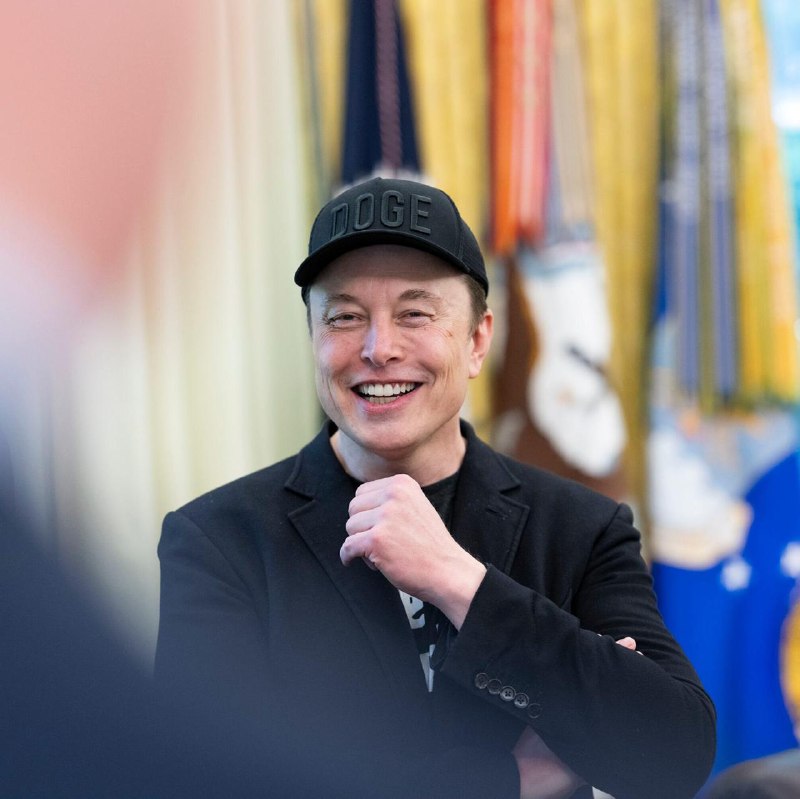
Elon Musk confirmed on the evening of 6 May 2026 that xAI, the artificial intelligence company he founded in 2023, will be dissolved as a standalone entity and merged into a new combined operation called SpaceXAI. The announcement, posted to his X platform account at 20:17 UTC, marks the most significant structural revision to Musk's AI portfolio since Grok, xAI's flagship chatbot, launched publicly in late 2024.
The consolidation raises immediate questions about the commercial architecture of Musk's technology holdings. SpaceX, the aerospace company valued at approximately $350 billion in secondary market transactions during 2025, has not previously operated an AI division. Absorbing xAI into the same corporate structure implies a fundamental reordering of how Musk's companies share infrastructure, data pipelines, and computing resources. Analysts tracking the merger and acquisition patterns of Silicon Valley's largest operators say the move signals that Musk is treating AI less as a standalone product business and more as an integrated capability layered across his existing ventures.
The Mechanics of Consolidation
Details on the legal structure of the SpaceXAI merger remain sparse as of publication. Musk's post did not specify whether xAI shareholders would receive SpaceX equity as part of the transaction, nor did it clarify what regulatory filings, if any, the merger would require. The announcement came during a week in which Musk is appearing as a witness in federal court proceedings — the same proceedings where Greg Brockman, OpenAI's president, disclosed on 6 May 2026 that his personal stake in the company is worth approximately $30 billion. OpenAI's current corporate valuation, according to Brockman's court testimony, stands at $852 billion, making it the most valuable private artificial intelligence company in the world.
The timing of the xAI announcement alongside the OpenAI court proceedings is likely not coincidental. Musk has been engaged in protracted litigation with OpenAI, claiming the organization abandoned its nonprofit mission in favor of commercial partnerships. Dissolving xAI into SpaceXAI could reshape the competitive landscape of that dispute by placing Musk's AI assets under a corporate structure that is not, itself, a party to the litigation.
Competing Visions of AI Architecture
The announcement lands at a moment when the AI industry's corporate structure is being debated with unusual intensity in boardrooms, congressional hearing rooms, and courtroom transcripts. OpenAI's transition from nonprofit research lab to $852 billion commercial enterprise has drawn scrutiny from regulators and competitors alike. The $30 billion stake held by Brockman — disclosed during testimony that reportedly continued into the late afternoon of 6 May 2026 — underscores the personal wealth dimensions of that transformation.
xAI's decision to fold into SpaceXAI suggests a fundamentally different strategic logic. Rather than building AI as a product to be sold or licensed, Musk appears to be positioning the technology as infrastructure embedded within his launch and satellite operations. SpaceX already operates the Starlink constellation, a network that generates enormous volumes of geospatial and behavioral data. Integrating xAI's language modeling capabilities into that ecosystem would give SpaceXAI access to data streams that consumer-facing AI companies cannot replicate. The counter-argument is that this structure concentrates too much power within a single private actor, particularly when the company in question already holds government contracts worth tens of billions of dollars.
Musk has been explicit about his long-term ambitions for the technology. In a statement that circulated across social platforms on the morning of 6 May 2026, he repeated an earlier claim that he is confident artificial intelligence will exceed the intelligence of all humans combined by 2030. Whether that timeline is realistic or not, the SpaceXAI merger suggests he is no longer treating that goal as something that can be pursued through a standalone startup.
Structural Implications for the AI Sector
The consolidation adds a new variable to an industry already undergoing rapid vertical integration. Over the past eighteen months, Microsoft, Google, and Amazon have all moved to acquire or build proprietary computing infrastructure specifically designed for AI workloads. The difference with SpaceXAI is the breadth of the underlying asset base. SpaceX holds FAA launch licenses, NASA service contracts, and a satellite internet network serving millions of customers across sixty countries. If xAI's models are trained on data streams from Starlink's user base, or deployed to optimize Starlink's orbital management systems, the competitive moat around SpaceXAI would be substantially deeper than anything a conventional AI startup could construct.
Regulators in the United States have not yet commented publicly on the SpaceXAI announcement, which is consistent with the current administration's hands-off posture toward major technology transactions. European authorities, who have been more aggressive in reviewing AI-related mergers under their Digital Markets Act framework, may take a different view, particularly if the merger triggers review under thresholds that consider combined market share in cloud computing or satellite communications.
What Remains Unknown
Several material questions cannot be answered from the information currently available. The transaction's financial terms — whether xAI investors received SpaceX equity, cash, or some combination — have not been disclosed. The corporate governance structure of SpaceXAI, including who will hold decision-making authority over AI development decisions, is unspecified. Whether the merger requires filings with the Committee on Foreign Investment in the United States depends on the nationality and ownership structure of xAI's remaining shareholders, which has not been made public.
The thread sources do not indicate when the merger was first proposed, whether xAI's approximately 1,200 employees will be retained under SpaceXAI, or whether Grok will continue to be offered as a standalone consumer product. Monexus will update this article as additional information becomes verifiable.
This publication covered Musk's announcement via X and polymarket threads on the evening of 6 May 2026. Brockman's court testimony was sourced from Telegram channels covering the proceedings. The broader AI sector context draws from publicly available corporate valuation data and regulatory filings.
Wire provenance
This editorial synthesis draws on the following public wire/social posts:
- https://x.com/unusual_whales/status/1920438123450981891
- https://x.com/Polymarket/status/1920438123450981891
- https://t.me/ProductHunt/104321
- https://t.me/AngelList/104321
- https://x.com/unusual_whales/status/1920438123450981891