Fourteen of the NFL's top 100 free agents remain unsigned. Why teams are betting on the draft over veteran stability.
With the 2026 NFL draft concluded, 14 players who would have ranked among the league's top 100 free agents entering the cycle remain without contracts. The pattern reflects a structural shift in how franchises approach the veteran market.
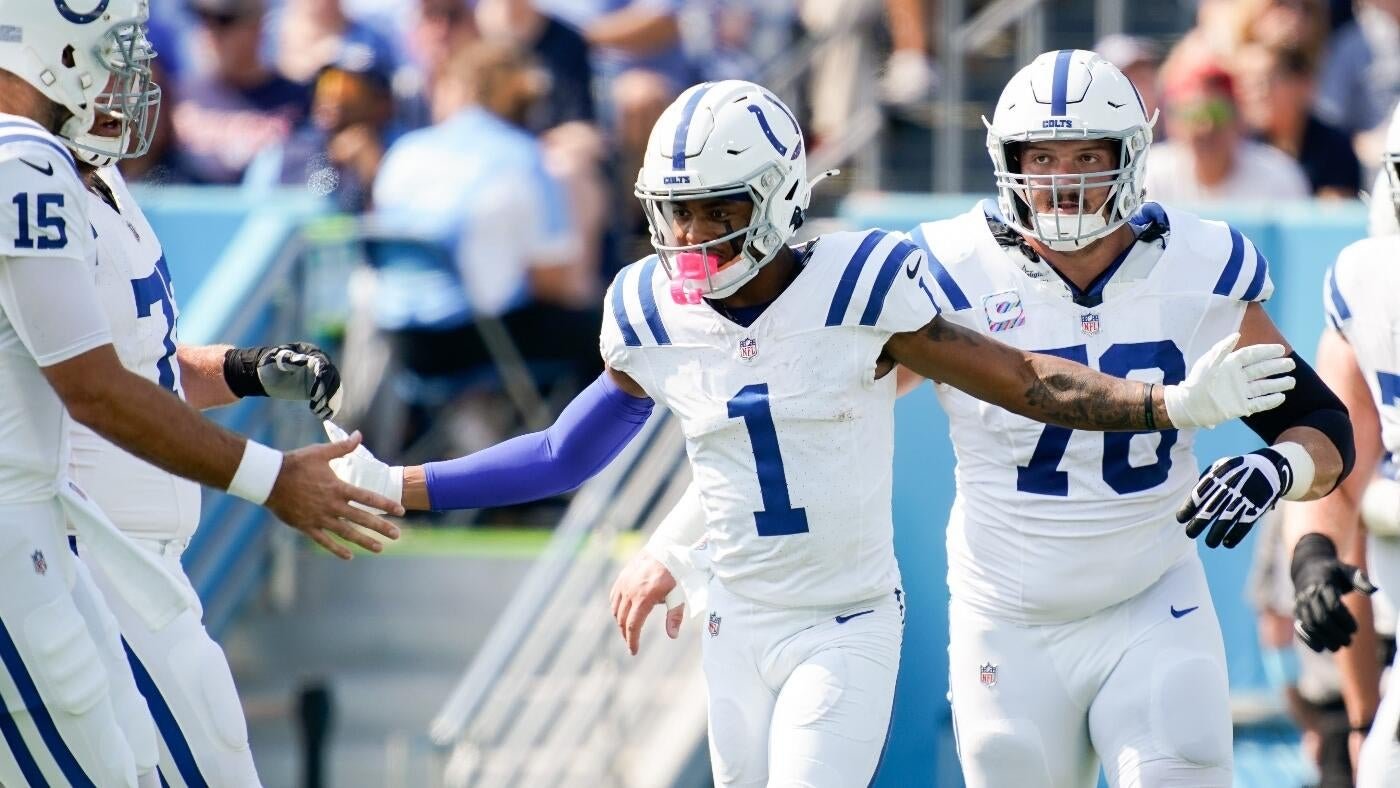
As NFL teams wrapped their post-draft roster construction in early May 2026, a striking figure emerged from the free agency landscape: fourteen players who would have ranked among the league's top 100 free agents entering the cycle remain without contracts. The finding, reported by CBS Sports on 6 May 2026, captures a dynamic that has become increasingly pronounced across the league — a systematic devaluation of veteran talent in favor of draft capital and cheaper, younger alternatives.
The unsigned cohort spans multiple positions and includes players who, in previous cycles, would have attracted multi-year deals at significant annual averages. That fourteen names from that tier remain on the open market suggests something more than a temporary market correction. It points to a deliberate philosophical shift in roster architecture that is reshaping competitive balance across the league.
The Draft-to-Veteran Pipeline Is Compressing
The conventional NFL roster-building wisdom held that teams would absorb veteran talent to supplement draft picks — paying a premium for proven production while developing younger players in controlled roles. That model is under pressure. Teams entering the 2026 draft with salary cap constraints faced a choice: allocate finite cap space to aging players with injury histories and declining athletic profiles, or use draft picks — cheaper, younger, and under team control for multiple seasons — to fill the same roster slots.
The math favors the draft in most front-office calculations. A mid-round pick carries a four-year rookie contract at a fraction of the annual cost of a veteran at the same position. For teams rebuilding or retooling, the economics are unambiguous. For teams in win-now mode, the calculus is more nuanced, but even contending franchises have grown reluctant to commit long-term guarantees to players past their physical peak.
The result is a veteran market that moves slowly and erratically. Contracts that once would have been finalized by late March are stretching into May, with teams holding cap space in reserve rather than spending it on players they view as depreciating assets.
Cap Space as Strategic Currency
The financial architecture of the NFL amplifies this dynamic. Salary cap space functions as the league's primary strategic currency — teams hoard it not merely to manage current obligations but to retain flexibility for mid-season acquisitions, injury replacements, and the inevitable roster churn that occurs once the regular season begins. Committing significant space to a veteran with a multi-year injury risk profile feels increasingly reckless to front offices operating under competitive pressure.
This has produced a secondary market distortion: veterans who do sign are increasingly doing so at discounts relative to their previous contracts, often on one-year deals that preserve their optionality and their teams' flexibility. Multi-year deals for players over 30 have become rare, and when they occur, they typically include heavy guaranteed-money structures that front offices find increasingly unattractive.
The fourteen unsigned veterans as of early May represent the extreme end of this dynamic — players whose asking price has not yet converged with what teams are willing to pay, or whose positional value has been further compressed by scheme trends that favor younger, more versatile athletes.
What This Means for Competitive Balance
The structural shift toward draft-dependent rosters is not neutral in its competitive effects. Teams that excel at talent evaluation in the draft — those with strong scouting departments, development programs, and coaching staffs capable of accelerating young player readiness — gain a compounding advantage. Teams that miss on draft picks, by contrast, find themselves in roster holes that are harder to fill through the veteran market, which has itself become shallower.
This dynamic may benefit teams with strong recent drafting histories at the expense of franchises that have leaned heavily on veteran acquisition. The balance of power in the league could increasingly be determined not by free agency spending but by the quality of decisions made three to four years earlier, when those now-young starters were selected in the draft.
For fans of contending teams, the implications are immediate: roster construction that once peaked in March now extends well into May, with the understanding that veteran additions may arrive as injury substitutions rather than foundational signings. For fans of rebuilding franchises, the logic is more palatable — their teams are not failing to spend, they are choosing not to spend on a depreciating asset class.
The Market in Flux
The fourteen unsigned veterans remain in a holding pattern that the league has not previously seen at this stage of the offseason calendar. Whether contracts materialize before training camp, or whether some of these players accept shorter, cheaper deals closer to the season, will serve as a test case for how far the veteran market can compress before it finds a floor.
What is clear is that the structural conditions producing this outcome — cap architecture, draft economics, and risk-averse front office culture — are not changing. The NFL's veteran market is contracting permanently, and the fourteen names without contracts as of 6 May 2026 are the most visible evidence of that shift.