Seahawks Bet on Dante Fowler Jr. as Championship Window Stays Open
Seattle's one-year, $5 million gamble on veteran edge rusher Dante Fowler Jr. raises a straightforward question: does the reigning champion's first major outside addition signal prudent depth-building or a pass-rush unit still searching for answers?
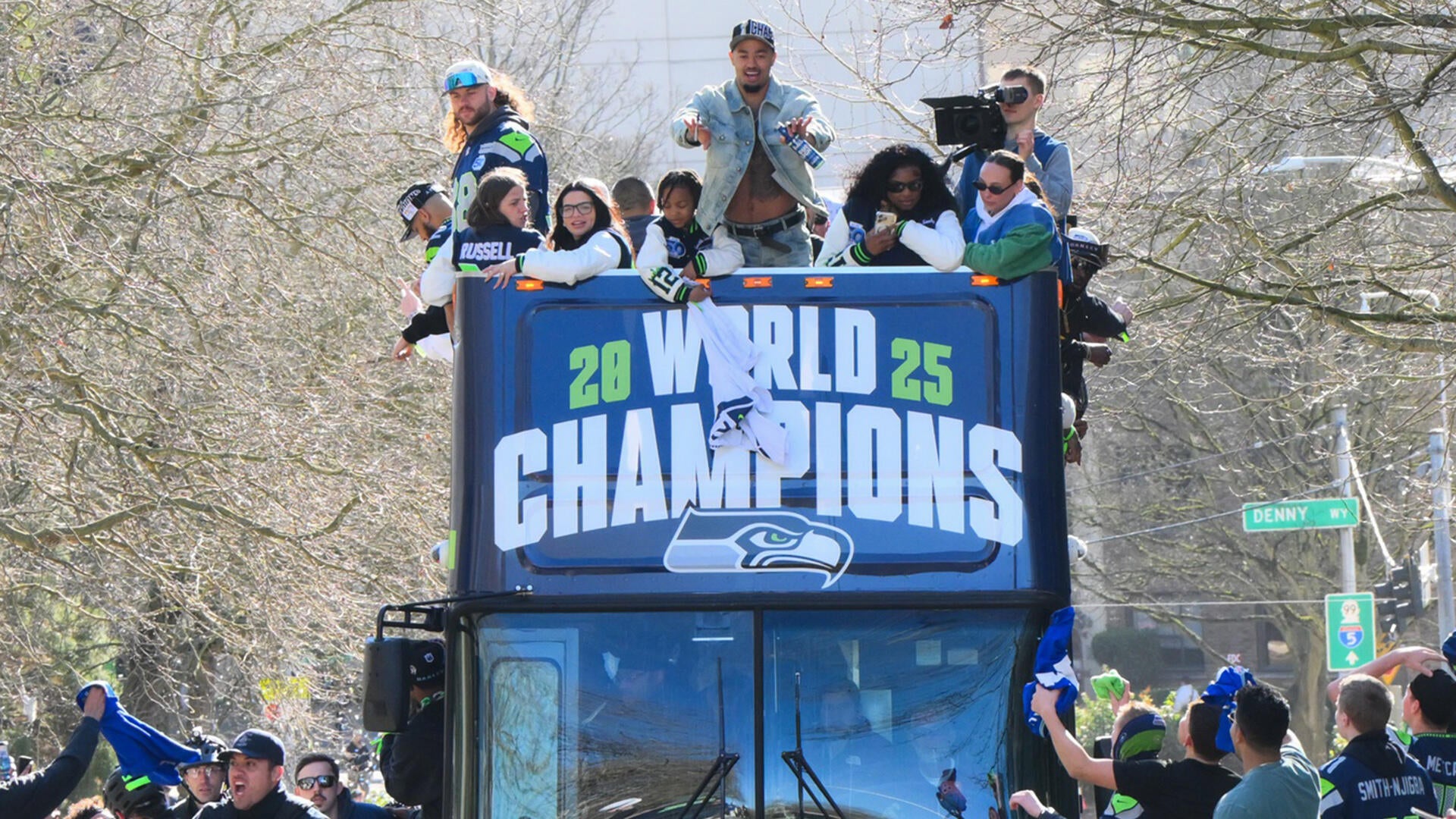
The Seattle Seahawks have agreed to terms with veteran edge rusher Dante Fowler Jr. on a one-year contract worth up to $5 million, the NFL Network reported on 5 May 2026, citing a source with direct knowledge of the deal. The signing marks the reigning Super Bowl champions' first significant outside addition of the offseason, filling a specific gap in a pass-rush rotation that showed intermittent pressure last season.
The move is legible in straightforward terms: Seattle is betting that Fowler, 30, has enough left to complement an already-strong defensive line without disrupting the chemistry that carried the team to a title. Whether that calculus pays off will depend largely on Fowler's recovery from a torn ACL he suffered in October 2024 — an injury that ended his season with the Dallas Cowboys after just seven games.
What Fowler Brings — and What the Seahawks Need
The surface case for the signing is clear. Fowler entered the NFL as the third overall pick in the 2015 draft and has since logged 42 career sacks across stints with the Jacksonville Jaguars, Los Angeles Rams, Atlanta Falcons, and Cowboys. His best production came with the Rams in 2019, when he posted 11.5 sacks — a season that stands as the single-year peak of a career defined more by consistency than by dominant rushes.
For Seattle, the question is not whether Fowler can still play. It is whether he can stay healthy enough to be useful in a rotation that already features several capable bodies on the edge. The Seahawks' pass rush ranked in the middle third of the league last season by pressure rate, according to league tracking data — solid but not dominant. Adding Fowler on a one-year deal at $5 million maximum is a low-cost attempt to push that unit toward the top half.
The deal structure matters. A one-year arrangement protects Seattle from long-term dead cap if Fowler struggles to regain form after his knee injury. It also gives Fowler a proving-ground season — an incentive structure that rewards performance over guaranteed money.
The Injury Question Nobody Wants to Dismiss
Any optimistic read of this signing runs into the same obstacle: Fowler is coming off a torn ACL, an injury that even the most straightforward recoveries typically cost a player some burst off the line. The sources do not specify the severity of the tear or the projected timeline for full clearance, but the timing of his October 2024 injury means he spent the bulk of the offseason rehabbing rather than building condition.
The counter-case is that Fowler's value, at $5 million on a short-term deal, reflects precisely this uncertainty. A fully healthy Fowler at this stage of his career might command $8-10 million annually on a multi-year deal. Seattle is paying a discount for a player whose body carries documented risk — that discount is the prize, and it is also the warning.
Championship Rosters and the Veteran-Minimum Logic
There is a structural pattern worth noting: teams coming off championship seasons frequently add players on one-year deals in the season immediately after winning. The economics are straightforward. Salary cap flexibility is more valuable than a roster full of expensive veterans when a core is already in place. Adding Fowler on a $5 million deal leaves room to retain the players who actually won the title while filling gaps with players chasing their own redemption arc.
This is not unique to Seattle. The model is common across NFL champions — plug affordable veterans into specific roles, let the draft develop the next wave, and keep the cap sheet clean for the extensions that elite young players eventually demand. Seattle's front office, by all available accounts, has been disciplined about this balance throughout the current window.
The Stakes — For Fowler, for Seattle, for the Division
If Fowler returns to form, the Seahawks get a veteran presence on the edge who can spell starters and generate pressure on third downs without requiring a structural commitment. That is a meaningful return on a $5 million investment. If Fowler's knee limits his explosiveness, Seattle loses little beyond cap space that was unlikely to be used elsewhere — and still gains a camp body with playoff experience.
The longer view matters more. Fowler is 30. Even in the best scenario, he is not a player the Seahawks are building around. He is a bridge piece — someone who keeps the pass rush functional while younger players develop or recover from their own setbacks. The significance of the signing is not that Fowler changes Seattle's ceiling. It is that he does not threaten the floor.
The NFC West, meanwhile, remains competitive. San Francisco and Los Angeles both invested heavily in defensive infrastructure during their own championship pursuits. Seattle's signing does not shift the balance of power in the division. It simply keeps the reigning champion from falling behind on one specific dimension — a modest goal that, if achieved, makes the $5 million look like a bargain.
Desk note: Both CBS Sports and ESPN framed the Fowler signing as a straightforward roster addition, with no sourcing caveats in the original reporting. Monexus chose to foreground the injury history and the one-year structure as the operative facts — the deal's value lies precisely in its conditionality.