Trump Administration Suspends Strait of Hormuz Freedom Project, Drawing Mixed Regional Reactions
The Trump administration has suspended the so-called Freedom Project aimed at securing the Strait of Hormuz, with Iranian state media framing the move as a strategic retreat while analysts warn of broader implications for global energy transit.
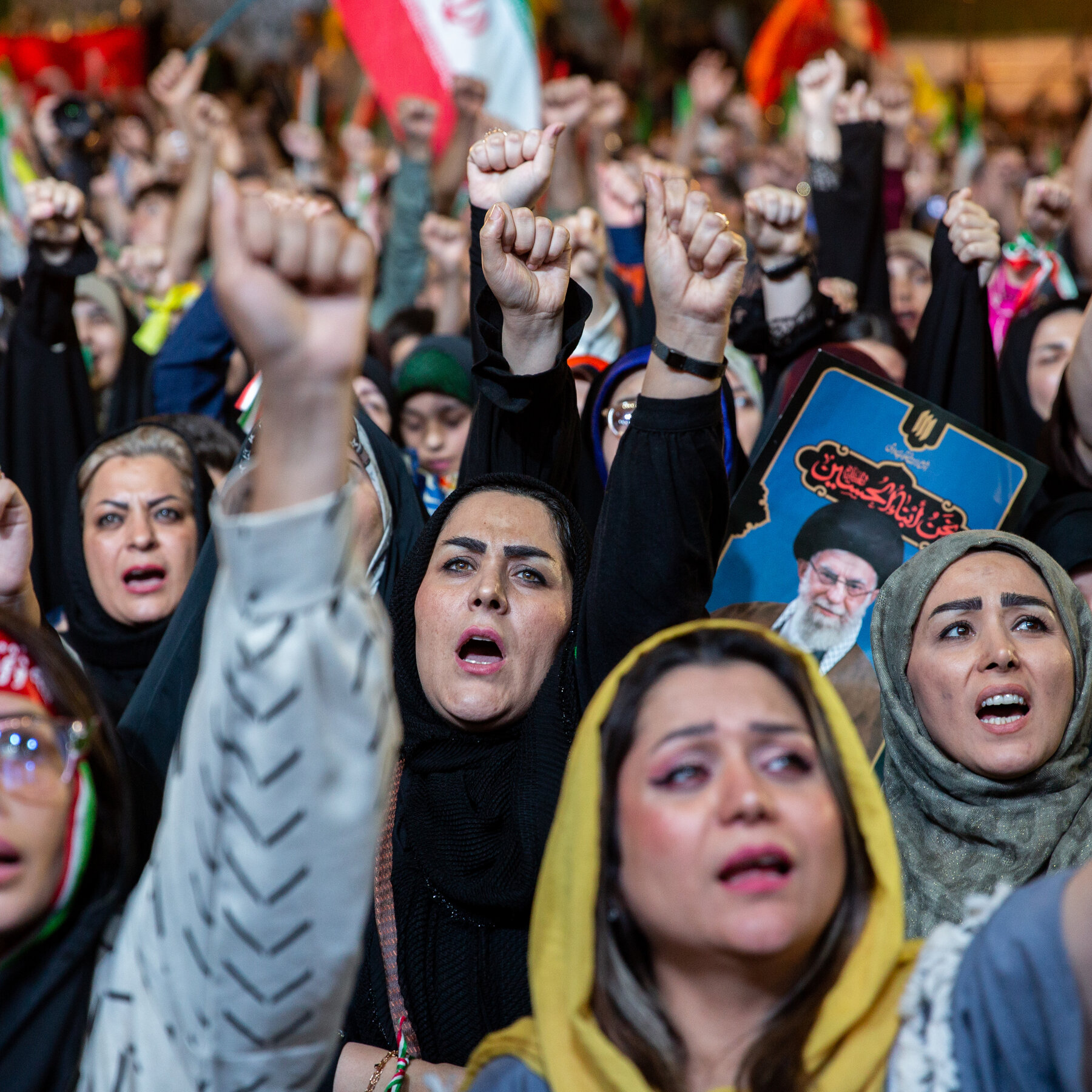
The Trump administration announced on 5 May 2026 the suspension of the Freedom Project, a planned naval and commercial security initiative for the Strait of Hormuz — one of the world's most critical oil transit chokepoints. The announcement, reported by Iranian state-aligned news outlets, drew immediate and contrasting responses from regional actors, with Tehran framing the move as an American failure and outside analysts questioning what the suspension means for maritime security architecture in the Gulf.
The Strait of Hormuz handles approximately 20 percent of global oil traffic daily, connecting the Persian Gulf to the Gulf of Oman. Any disruption to shipping through the 21-mile-wide corridor sends immediate reverberations through energy markets from Beijing to Berlin. The Freedom Project, as conceived, was intended to coordinate US naval presence with allied commercial shipping protection, a mechanism Washington has used in past periods of heightened Gulf tension.
What the Suspension Means Operationally
The precise operational scope of the suspension remains unclear from the available sources. Iranian state media reported the suspension as a categorical retreat, with Tasnim News English characterizing it on 5 May 2026 as following "America's failures in dealing with the problem of the Strait of Hormuz." The same channel repeated the framing the following morning, referencing Robert Malley, a former chief negotiator under President Obama who helped broker the 2015 Iran nuclear deal. Malley published what Iranian outlets described as an ironic response to the withdrawal.
What neither source specifies is whether the suspension covers only the Freedom Project's formal structure or extends to existing US naval operations in the Fifth Fleet area of responsibility. US Central Command has maintained a persistent carrier presence in the Gulf for decades, and the suspension of a named project does not necessarily equate to a withdrawal of military hardware. The ambiguity appears deliberate. A senior administration official, quoted by regional wire services, described the pause as a "strategic reassessment" rather than a concession, language designed to leave diplomatic options open.
Tehran's Framing and the Regional Context
Iranian state media has predictably framed the suspension in maximalist terms. Jahan Tasnim, a Tehran-based news service, ran its 5 May 2026 report under the headline "Trump retreated; The so-called Freedom Project has been stopped," treating the suspension as validation of Tehran's longstanding position that the Strait constitutes a red line and that outside naval power cannot dictate terms in the Gulf.
The framing deserves scrutiny on its own terms. Iran's Islamic Revolutionary Guard Corps has periodically threatened to close the Strait during moments of heightened confrontation with Washington — most recently during the heightened tensions following the 2020 US drone strike that killed General Qasem Soleimani. Those threats did not materialize into actual closure, in part because such a move would devastate Iranian oil exports as readily as anyone else's. The gap between rhetorical threat and operational reality is one reason the Strait has remained open even through periods of acute hostility.
That said, the symbolic weight of the suspension matters in the region. Gulf monarchies — Saudi Arabia and the UAE in particular — have a structural interest in seeing the US navy serve as a guarantor of maritime norms. An ambiguous or reduced American security commitment, even one that stops short of outright withdrawal, creates space for other actors to fill the vacuum or to test limits.
China's Position and Energy Transit Interests
The Strait of Hormuz is not primarily a US problem — it is a global infrastructure question, and no country has a larger direct stake in its continued openness than China. Beijing imports a substantial portion of its crude oil through the Strait, making any deterioration of the security environment there a direct threat to Chinese energy security.
Chinese state media has not issued a direct statement on the Freedom Project suspension as of the sources reviewed. However, the structural logic is straightforward: China's preferred resolution to Hormuz uncertainty is stability managed by the existing international order, not a vacuum requiring Chinese military projection. A prolonged suspension of US-led security coordination would, over time, put pressure on Beijing to either accept increased risk to its energy supply chains or consider more active naval engagement in the Indian Ocean — a strategic commitment Beijing has historically avoided.
This is the paradox at the heart of the suspension for great-power analysts: the United States bears the disproportionate security burden for a corridor that benefits competitors as much as allies, and any American retrenchment creates pressure on others to compensate. Whether the Freedom Project suspension signals actual retrenchment or is a negotiating tactic within a broader Iran deal process remains the central open question.
Open Questions and Forward Stakes
The sources reviewed do not establish whether the suspension is linked to ongoing negotiations over Iran's nuclear program, whether it reflects genuine internal administration disagreement over Gulf strategy, or whether it represents a standalone policy adjustment. Robert Malley's cited response suggests the Obama-era negotiating cohort views the move as consistent with the transactional, bilateral approach the current administration has applied to multiple international agreements.
Three scenarios appear most plausible over the coming months. First, the suspension could be temporary — a pressure tactic that gets reversed if Iranian nuclear talks stall, with the Freedom Project restored under a different operational label. Second, the project could be subsumed into a broader maritime security framework involving Gulf Cooperation Council states, reducing the direct US footprint while maintaining functional coverage. Third, and most disruptive, a prolonged suspension could gradually shift insurance and shipping costs upward, providing an economic friction that forces the issue back onto the diplomatic agenda.
What is clear is that the Strait of Hormuz does not pause for policy reviews. Roughly 21 million barrels of oil equivalent cross the corridor every day, and the market consequences of any perceived closure risk would be immediate and global. The Freedom Project suspension, whatever its ultimate rationale, does not alter that underlying reality — it merely adds another layer of uncertainty to a waterway that has never been simple to manage.
This article was reported and composed using Telegram-sourced dispatches from Tehran-aligned news services as primary material. Western wire reporting on the Freedom Project suspension was not available in the thread reviewed; the structural analysis draws on publicly known facts about Strait of Hormuz traffic volumes and the documented positions of the named actors.
Wire provenance
This editorial synthesis draws on the following public wire/social posts:
- https://t.me/tasnimnews_en
- https://t.me/JahanTasnim
- https://t.me/tasnimnews_en
- https://t.me/JahanTasnim