Trump Tells PBS Iran Deal Possible Before China Trip — But Threatens Escalation if Tehran Refuses
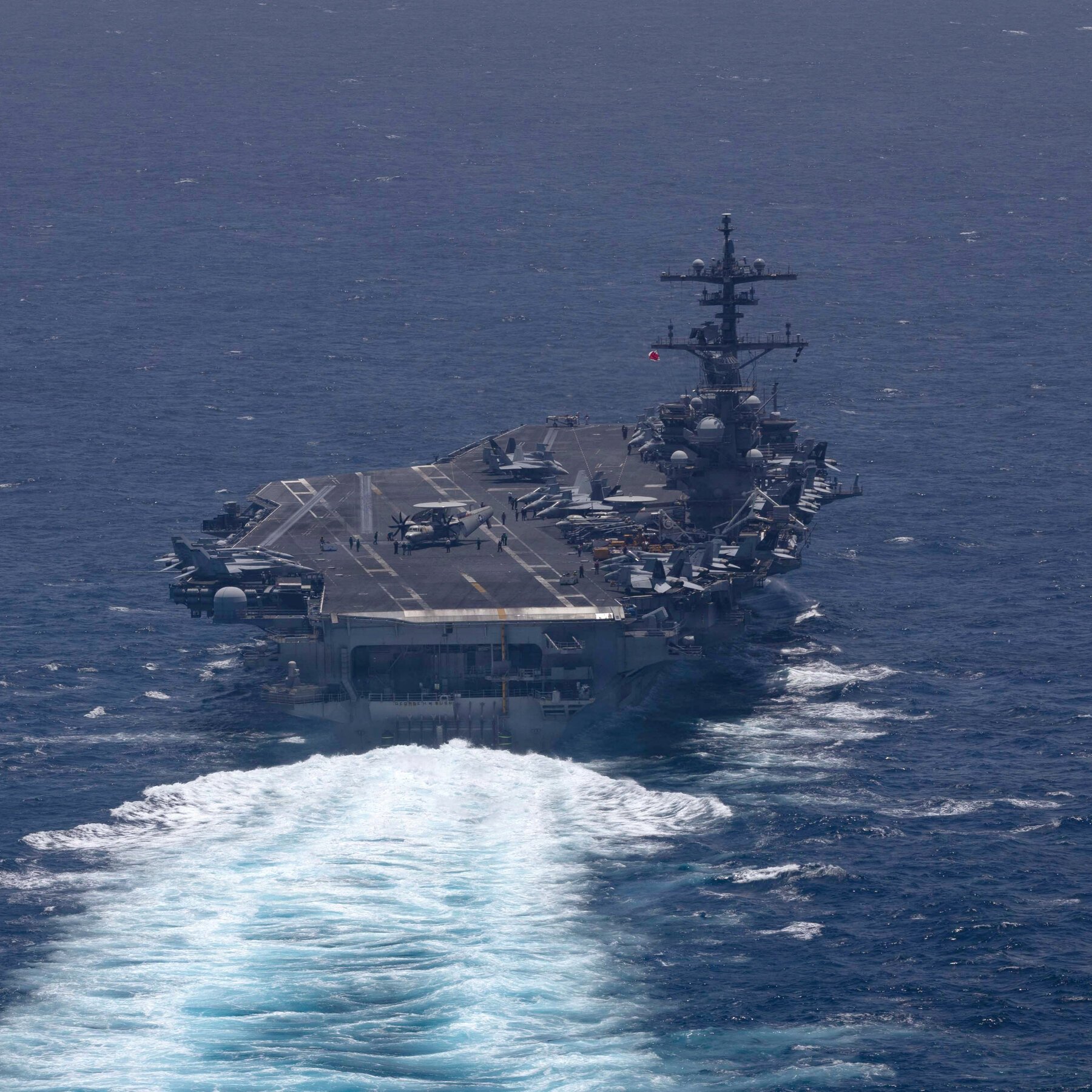
A diplomatic opening and an ultimatum arrived from the same administration within hours of each other on 6 May 2026. President Donald Trump told PBS in a recorded interview broadcast that same day that a deal to end the standoff with Iran was achievable before his scheduled departure for China the following week. "There is a very good chance to end the war," Trump said, adding that agreement was "possible" before the trip. Simultaneously, according to reporting by CGTN, his administration warned Tehran that any failure to accept a peace proposal would trigger renewed bombing campaigns at levels exceeding those conducted before a reported pause in US military operations near the Strait of Hormuz.
The twin signals — one conciliatory, one coercive — arriving within the same news cycle reflect the administration's characteristic pattern of applying maximum pressure alongside a visible off-ramp. Iranian authorities said on 6 May that they were still evaluating Washington's proposal, having neither accepted nor rejected the terms as of late afternoon in Tehran. The gap between the two governments' public positions remains wide, even as back-channel activity appears to have narrowed it from the zero-sum standoff of earlier months.
The Hormuz Pause and What Prompted It
The pause in US operations near the Strait of Hormuz, the world's most critical maritime chokepoint for oil shipments, was first reported earlier this year as an apparent goodwill gesture tied to diplomatic talks. Roughly 20 percent of global oil trade transits the strait, and any disruption sends immediate shockwaves through commodity markets. The Biden administration had previously avoided direct strikes on Iranian soil for fear of escalation; the Trump administration's posture has been more aggressive in茬 but the reported pause suggested that even kinetic operations were being treated as a negotiating instrument rather than an end in themselves.
Iranian officials confirmed on 6 May that they continue to evaluate the US proposal — language that stops well short of acceptance but stops equally short of rejection. The timing matters. Trump's publicly stated deadline — his China visit — creates a calendar pressure that both sides can use. Iran can signal willingness without capitulating; Washington can claim progress without conceding ground.
The Escalation Threat in Context
The threat of resumed bombing at "a much higher level and intensity than it was before" is the sharpest escalation language the administration has used since the latest round of hostilities began. Whether it constitutes genuine red-line preparation or negotiating theatre remains contested. Former US officials and regional analysts have noted that the Trump administration's negotiating style historically relies on public coercive gestures to create urgency — the question is whether Tehran reads the threat as credible.
Iran's own response has been calibrated. Iranian state-linked outlets have carried denials of any intent to provoke but have also underlined that safe transit of the Strait of Hormuz remains contingent on the United States ending its threats. That formulation — safety for shipping in exchange for an end to threats — suggests Tehran is attempting to tie the maritime corridor's security to the broader diplomatic process, turning the strait itself into leverage.
The China Dimension
Trump's scheduled visit to Beijing adds a layer that no previous Iran negotiation carried. China is Iran's largest trading partner and a critical transit point for the crude oil revenues that fund the Islamic Republic's fiscal operations. Washington knows this. Beijing knows Washington knows this. The question is whether the China trip is being used as a genuine pressure lever — an implicit threat that Beijing's goodwill toward Iran could be traded for a US concession on tariffs or technology — or whether it is simply coincidence of scheduling.
Chinese state media coverage of the Iran situation has been measured, framing the peace proposal as a potentially positive development while studiously avoiding direct endorsement of either side's demands. CGTN's reporting of Trump's escalation threat on 6 May carried it as straight news without editorializing, consistent with the outlet's recent posture of treating US policy volatility as fact to be reported rather than judgment to be rendered. That neutrality itself is notable: a Beijing government with strong interests in Iranian stability might have been expected to editorialize against American threats. The absence of that framing suggests either Chinese diplomatic restraint or a calculation that the US-Iran talks, if they succeed, serve Beijing's interests regardless of how they conclude.
What Happens Next
If Tehran accepts any version of the current proposal, the immediate beneficiaries are oil markets, which have priced in a sustained premium for Hormuz disruption risk, and US regional allies — Saudi Arabia and the UAE in particular — who have watched the escalation with deepening concern. If Tehran declines and the bombing resumes, the beneficiaries are few: energy price spikes globally, a potential rebound for Iranian oil revenues in the short term as sanctions enforcement fractures, and a geopolitical risk premium that no administration managing tariff negotiations with China would prefer to avoid.
The 6 May statements from both sides make clear that the window for a deal is real but bounded. Iranian evaluation cannot stretch indefinitely without appearing evasive; Trump's departure for Beijing will impose a visible cliff. The next seven to ten days will determine whether the administration's dual-track posture — carrots offered, sticks displayed — produces a negotiated outcome or simply documents the breakdown of talks that were never genuinely reciprocal.
Desk note: This publication's coverage differs from mainstream wire framing in one respect — it treats the Hormuz strait linkage as a structural feature of the negotiations rather than a rhetorical flourish. The Strait of Hormuz is not merely a geographical reference; it is the mechanism through which Tehran converts geopolitical tension into global economic consequence. That conversion capability is what gives Iran a negotiating seat at the table that its conventional military posture would not warrant.
Wire provenance
This editorial synthesis draws on the following public wire/social posts:
- https://t.me/englishabuali
- https://t.me/CubaDebate
- https://t.me/abualiexpress
- https://x.com/CGTNOfficial/status/1930019123456789012