Trump Sets May 14 Deadline for Iran Deal as Uranium-to-US Pledge Resurfaces
President Trump told PBS on May 6 that a US-Iran nuclear accord could be sealed before May 14, adding that failure to reach one would mean military action — a coercive framing that mirrors the 2018 JCPOA withdrawal's escalation pattern.
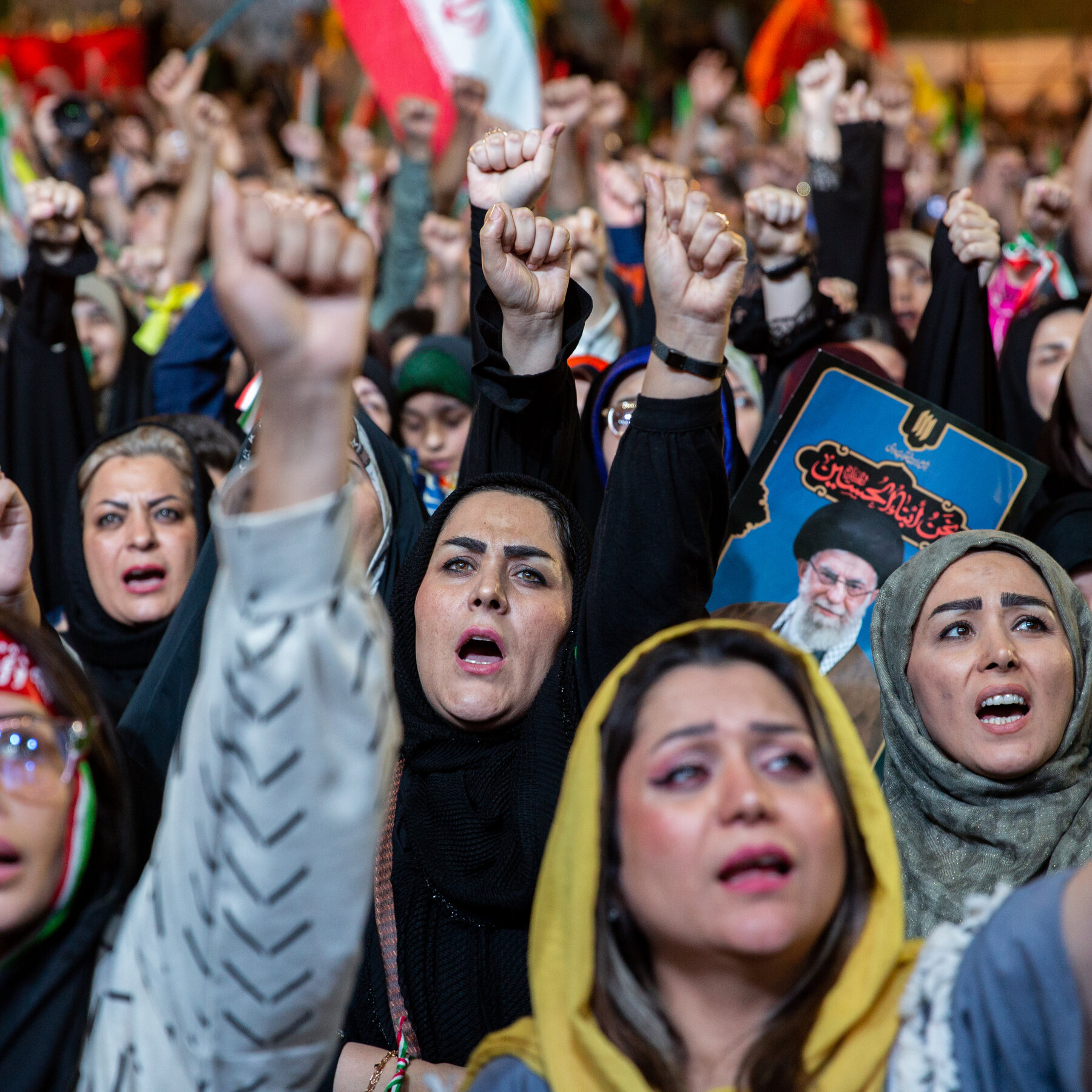
President Trump told PBS News in an interview published May 6 that the United States and Iran could conclude a nuclear agreement before May 14 — or face military consequences. "If they agree, it's over. If they don't agree, we bomb," Trump said, framing the outcome as binary. He separately told CBS that Iran would either reach an accord or face strikes, and that Iran's enriched uranium "will be going to the United States" under any deal struck.
The comments mark the sharpest public timeline yet attached to the ongoing negotiations, which have seesawed between diplomatic signals and explicit threats since Trump ordered strikes on Iranian nuclear sites in April. US officials have not confirmed the specific terms on the table, but the president's own statements have consistently referenced enrichment rollback, International Atomic Energy Agency access, and the transfer of stockpiles as core components.
A Deadline Dressed as Destiny
The May 14 marker is notable less for its novelty than for its function. Trump and his predecessors have used self-imposed deadlines before — to compress Iranian negotiating leverage, to signal resolve to Gulf allies, and to satisfy a domestic audience watching the campaign from a distance of thousands of miles. What differs this time is the military dimension. The April strikes on Fordow and other facilities have already degraded Iran's enrichment capacity, but the country retains enough material for multiple paths forward if diplomacy fails.
Administration officials have described the recent pause in strikes as a negotiating tactic rather than a concession. Whether that pause holds depends on Tehran's willingness to accept constraints that its own nuclear doctrine has treated as non-negotiable since the original Joint Comprehensive Plan of Action was abandoned in 2018. Iranian officials have not publicly specified which red lines remain standing, but statements from the Foreign Ministry and the Atomic Energy Organization suggest that domestic enrichment rights — not merely export of existing stock — remain central to any acceptable framework.
The Uranium Question
Trump's claim that Iranian enriched uranium would "go to the United States" is the most specific public element of the emerging deal. Under current international frameworks, highly enriched uranium and separated plutonium are subject to export or conversion requirements when stockpiles exceed certain thresholds. The US has historically preferred downblending or conversion to third-country storage rather than direct physical transfer to American soil, making the specific mechanism of "going to the United States" unclear in the absence of formal documentation.
Independent nuclear analysts note that Iran currently holds an estimated 60 kilograms of uranium enriched above 60 percent, and substantially more at lower enrichments. Processing that material — converting it to reactor-grade or low-enriched uranium suitable for civilian power use — takes months under optimal conditions with full international oversight. Whether the administration has accounted for that timeline in its May 14 framing remains unanswered by the sources reviewed.
Sanctions Architecture and Dollar Politics
A sanctions relief-for-nuclear-concessions swap sits at the centre of any plausible deal. Iran has consistently argued that the sanctions regime imposed after the 2018 withdrawal — not the nuclear programme itself — constitutes the primary threat to regional stability. The Trump administration, meanwhile, has treated the removal of sanctions leverage as both a concession and a tool: relief would be phased and reversible, tied to verified compliance milestones rather than granted upfront.
This conditional relief model mirrors frameworks tried under both the Obama and Biden administrations, with the critical difference that Iran's oil revenue has diversified significantly since 2018. Turkey, India, and Chinese refiners have developed alternative payment architectures that reduce reliance on dollar-denominated clearance systems. Whether a sanctions relief package still constitutes sufficient Iranian incentive depends partly on how much revenue is already reaching Tehran through non-dollar channels — a figure that remains disputed across Western and Iranian official sources.
Stakes: Gulf Monarchies, the EU, and the Non-Aligned World
A US-Iran deal, if struck and sustained, would recalibrate the strategic map across the Middle East. Gulf monarchies — Saudi Arabia, the UAE, and Bahrain — have invested heavily in a containment posture, and any accord that reduces Iranian regional pressure would simultaneously reduce their leverage for continued US military presence on their soil. Israeli officials have already signaled that a deal absent Israeli consent would face resistance, and the question of whether Israeli military action would be constrained by American guarantees remains open.
European parties to the 2015 JCPOA — France, Germany, and the UK — have publicly supported a renewed diplomatic track, but their influence over both sides of the negotiation has diminished since the US withdrew. Their role in any future monitoring architecture, particularly IAEA inspections of declared and suspected sites, remains a key negotiating point. The EU's preference for a deal reflects both strategic calculation and the practical reality that a collapsed nuclear framework would force a European decision on whether to re-impose sanctions that the bloc itself finds economically damaging.
Outside the Western orbit, the deal's reception would carry political freight far beyond the nuclear question. China and India have watched the US-Iran confrontation from a position of strategic patience, preferring that Iran not be further destabilized but unwilling to expend significant diplomatic capital on Tehran's behalf. A successful US-Iran accord would be read in Beijing and New Delhi as a signal that direct American military pressure on sovereign states remains usable as a negotiating tool — a reading with implications for how both capitals manage their own flashpoints with Washington.
The May 14 clock is ticking. Whether it produces a deal or a new wave of strikes, the outcome will be determined not by the deadline itself but by whether Tehran finds the terms survivable and whether the administration is genuinely prepared to accept the alternative it keeps invoking.
This publication covered the May 6 statements as a coercive diplomacy timeline rather than a peace process milestone — a framing that reflects the absence of confirmed written terms in the sources reviewed, and the continued role of military pressure as the deal's backdrop.
Wire provenance
This editorial synthesis draws on the following public wire/social posts:
- https://t.me/ClashReport/28456
- https://t.me/euronews/58291
- https://t.me/Middle_East_Spectator/12093
- https://t.me/Middle_East_Spectator/12091
- https://t.me/englishabuali/38427
- https://t.me/osintlive/29487