Trump Pauses Hormuz Operation as Iran Talks Open — Oil Markets Breathe
The Trump administration has suspended a high-profile naval operation to clear stranded vessels from the Strait of Hormuz, as the president confirmed that indirect negotiations with Iran over its nuclear programme are advancing. Markets from Tokyo to Sydney rallied on the news.
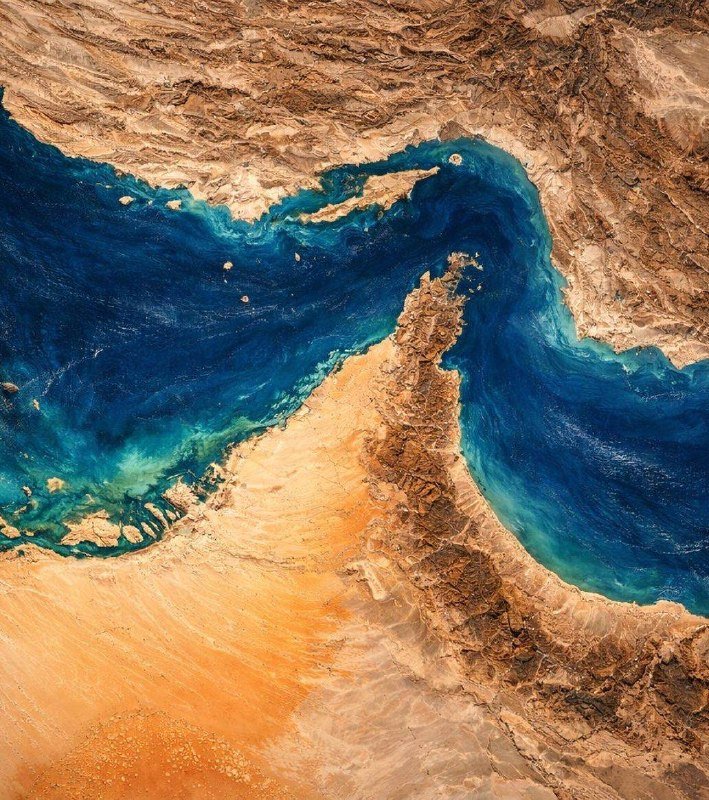
On the evening of 5 May 2026, U.S. President Donald Trump told reporters that he was pausing "Project Freedom" — an operation launched just one day earlier to escort stranded commercial vessels through the Strait of Hormuz. By the following morning, his administration confirmed that indirect negotiations with Iran were active, and that a broader agreement to defuse the confrontation might be within reach. Markets across Asia responded immediately: the Nikkei climbed, regional indices broadly advanced, and oil prices eased as traders priced in the prospect of the critical waterway remaining open.
The sequence is notable. Project Freedom was announced with considerable fanfare by Secretary of War Pete Hegseth on 4 May, framed as a response to Iranian boats that had reportedly impeded commercial shipping through the strait. The announcement itself moved oil markets — a reminder that the Hormuz corridor handles approximately a fifth of the world's daily oil output, and that any credible disruption threat registers instantly in commodity pricing. Yet 48 hours later, the operation was suspended, and the administration was publicly discussing a diplomatic off-ramp.
What changed? Iran's posture, for one. State-linked channels in Tehran carried responses characterising the U.S. move as a concession extracted by Iranian resilience — a framing that, while self-serving, reflects a calculation inside the administration that coercive posturing was producing diminishing returns. The ceasefire talks reportedly centre on constraints on Iran's nuclear enrichment in exchange for sanctions relief, a structure Washington has proposed before and that Tehran has historically rejected on sovereignty grounds.
The structural dynamic here is not new. Every U.S. administration in recent memory has oscillated between maximum-pressure campaigns and pragmatic engagement with Iran, with the Hormuz card always in the deck. What differs this time is the immediacy of the market signal: the oil price reaction to Hegseth's initial announcement, followed by the sharp reversal once Trump signalled a deal, demonstrates that traders treat the strait's viability as a non-negotiable variable. Governments on both sides of the Pacific know this. The diplomatic urgency that followed the original announcement suggests the White House knew it too.
There is a meaningful counter-narrative worth naming. Sceptics inside the Washington foreign-policy community have long argued that indirect U.S.-Iran channels are perpetually "close to a deal" without ever closing, and that Tehran's willingness to talk is often a stalling tactic to relieve sanctions pressure rather than a genuine negotiating posture. Administration officials dispute this reading. The sources reviewed do not establish which assessment is correct, and the deal — if one emerges — will need to be measured against the specific verification mechanisms, not the optimism of a Tuesday evening briefing.
The stakes for the Hormuz corridor itself remain live. Even with Project Freedom on pause, the underlying friction that prompted the operation — reports of Iranian vessels obstructing commercial traffic — has not been formally resolved. A deal that pauses enrichment above a certain level in exchange for sanctions easing could remove the immediate trigger for confrontation. But the long-run pattern, in which both countries use the strait as leverage in a wider contest over regional influence and nuclear capability, would remain intact. Whether this week's pause represents a genuine shift in that dynamic or a temporary de-escalation ahead of the next cycle of pressure is the question markets and regional capitals will be watching most closely.
Desk note: Wire coverage of this story led with the market reaction in Asia and the Trump administration's framing of progress toward a deal. Monexus focused on the operational reversal — the same administration that announced Project Freedom with a full press briefing was suspending it within 48 hours — and the signal that sends about the limits of coercive signalling as a negotiating tool.