Trump Pauses Project Freedom as Iran Nuclear Talks Gain Momentum
The White House confirmed on May 5, 2026, that the U.S. operation to clear stranded vessels from the Strait of Hormuz has been suspended indefinitely, as direct nuclear negotiations with Tehran move into a more intensive phase.
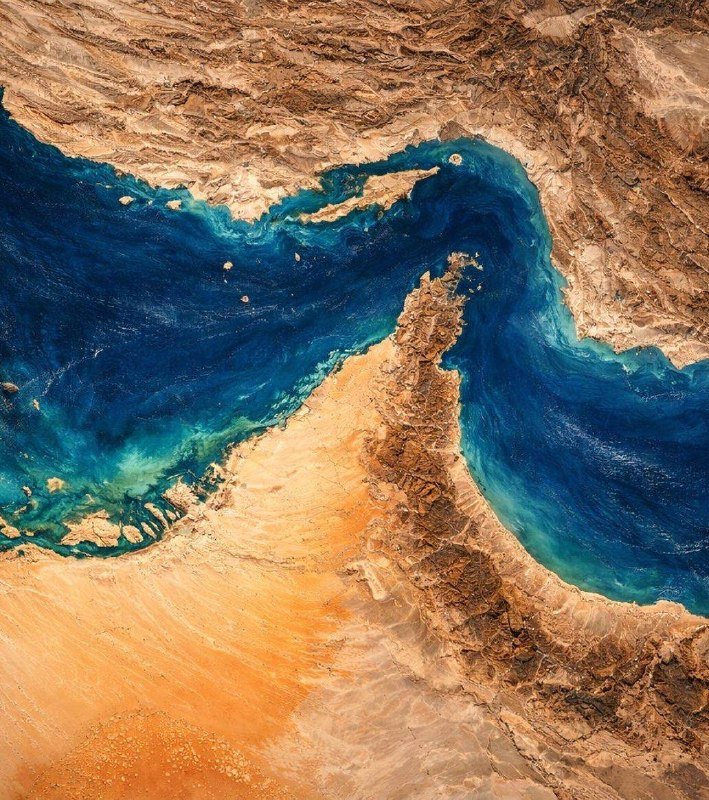
President Donald Trump confirmed late on May 5, 2026, that the United States has suspended the "Project Freedom" operation in the Strait of Hormuz, a military initiative launched on May 4 to escort stranded commercial vessels through one of the world's most critical maritime chokepoints. The decision marks a significant pivot from the confrontational posture Washington adopted just 48 hours earlier, as administration officials indicated a diplomatic window with Tehran had opened.
The reversal comes after days of escalating rhetoric between the two governments. On May 4, U.S. Secretary of Defense Pete Hegseth briefed reporters on the operation's scope, describing it as a mission to "guide" commercial traffic through waters that Iran had been accused of threatening. Hegseth said the initiative was designed to prevent disruptions to global oil shipments that typically transit the narrow strait. By Tuesday evening, however, Trump announced the pause was designed to allow space for a final agreement on Iran's nuclear programme, suggesting the talks had reached a critical juncture.
The Hormuz Standoff: What Project Freedom Was Designed to Achieve
The Strait of Hormuz represents one of the most strategically significant waterways in global energy markets. Roughly 20 percent of the world's oil supply passes through the passage, which lies between Oman and Iran on the Arabian Peninsula. Any disruption to traffic through the strait sends immediate shockwaves through commodity markets, and the brief announcement of a U.S. military escort operation triggered exactly that reaction when it was unveiled on May 4.
The operation was framed by the White House as a response to reports that Iranian vessels were interfering with commercial shipping. Hegseth offered details on the mission's parameters, saying it was tasked with ensuring the safe passage of vessels that had become effectively trapped by the standoff. The scale of the disruption remained unclear from the sources reviewed; it was not immediately known how many ships were affected or what specific incidents had prompted the U.S. intervention.
Oil prices eased as the pause was announced, according to BBC reporting. Brent crude, which had risen during the days of heightened tension, retreated from its intraweek highs as traders recalibrated for the possibility of a diplomatic resolution. The market reaction suggested that traders viewed the Hormuz situation as more manageable through negotiation than through a sustained U.S. military presence.
Tehran's Response: Resilience and Skepticism
Iranian state media framing of the episode carried a distinct character. Press TV, the English-language arm of Iranian state broadcasting, described the U.S. operation as a "new interventionist military adventure" that had been effectively deterred by what it termed Iran's resilience. The framing positioned Tehran as having forced Washington to step back from a confrontational course, a narrative that will likely resonate with domestic audiences in Iran as nuclear negotiations intensify.
The pause itself is ambiguous in its implications. On one reading, it reflects a genuine U.S. willingness to give diplomacy a chance — a position Trump has oscillating between throughout his current term. On another, the suspension of the military operation without a concrete agreement in hand leaves the underlying tensions unresolved. The stranded vessels question remains; without a formal understanding between Washington and Tehran, commercial shipping through the strait continues to operate under a cloud of uncertainty.
Tehran has consistently maintained that its nuclear programme is purely peaceful and designed for civilian energy purposes. Western intelligence assessments have periodically challenged that claim, though the current negotiating framework centers on verified constraints and intrusive monitoring mechanisms that Iran has, at various points, agreed to in principle. The sources reviewed do not specify the current state of those talks or what concessions Iran has tabled in exchange for sanctions relief.
The Diplomatic Architecture and Its Fragility
What is notable about the current moment is the degree to which the pause in military operations has been presented as conditional. Trump's framing on the Polymarket announcement board associated with his administration described the suspension as an effort to "see if a final agreement can be signed" — a formulation that leaves the timeline open-ended and the contingency explicit. If negotiations collapse, the operation's resumption would presumably be on the table.
This conditional framing mirrors a pattern in recent U.S. approach to Iran, where military pressure and diplomatic incentives have been deployed in sequence rather than as mutually exclusive tools. The effectiveness of that approach depends heavily on whether the Iranian side perceives the military dimension as genuine pressure or as theatre — and the sources reviewed here do not provide sufficient insight into Tehran's internal deliberations to determine which reading is prevailing.
For the United States, the stakes extend beyond the Hormuz question. Nuclear negotiations with Iran touch on the broader architecture of non-proliferation, the credibility of U.S. treaty commitments, and the strategic calculations of Gulf Arab states who have historically been deeply concerned about Iranian regional influence. A successful deal would represent a significant diplomatic achievement for an administration that has presented itself as uniquely capable of delivering results through direct engagement.
Oil Markets, Shipping Lanes, and the Road Ahead
The immediate economic dimension of the pause is the most legible. Oil prices have been sensitive to Hormuz-related headlines throughout 2026, reflecting traders' awareness of how quickly a localized conflict could disrupt supply chains that global energy markets depend on. The relief visible in the market's response to the pause suggests that operators have not yet internalized a baseline assumption that the strait's status as a reliable transit route is permanently at risk.
That baseline assumption may be tested. The underlying dispute about Iran's nuclear programme is unresolved, and the conditions under which Project Freedom would be restarted have not been publicly specified. If talks fail and the operation resumes, the signal to markets would be far sharper than what the current pause has produced.
What remains less clear is whether the stranded vessels referenced by Hegseth on May 4 have actually been affected by the pause in U.S. operations, or whether the escort dimension was always secondary to the political signal the mission was designed to send. The sources reviewed do not specify how commercial shipping has been managing transit in the interim, or what liability the U.S. Navy has assumed for vessels in the area.
The coming days will test whether the pause in military posturing can translate into substantive progress at the negotiating table, or whether it represents a temporary recalibration in a standoff whose fundamental dynamics remain unchanged. The Strait of Hormuz carries the world's oil. That fact ensures that whatever Washington and Tehran negotiate — or fail to negotiate — will command the attention of energy markets, governments, and consumers well beyond the Gulf itself.
This publication covered the Project Freedom pause as a concrete diplomatic signal rather than a routine operational update, tracking the shift from military posturing to conditional diplomacy across the wire. Key wire services emphasized the market response; this article foregrounds the strategic sequencing and what the conditional framing reveals about Washington's negotiating posture.