Ukraine Ceasefire Declaration Met with Russian Strike on Zaporizhzhia Facility
Kyiv announced a 30-day unilateral ceasefire on Wednesday morning; within hours, Russian forces struck an industrial facility in southern Ukraine, testing the limits of a goodwill gesture that Western officials had already greeted with skepticism.
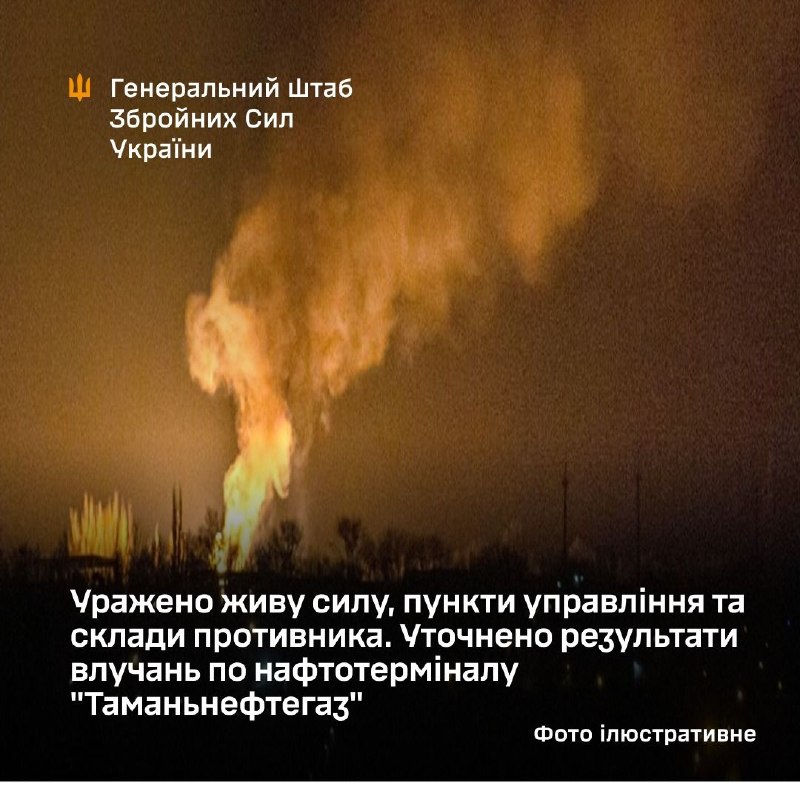
Within hours of Ukraine announcing a 30-day unilateral ceasefire, Russian forces struck an industrial facility in the southern Zaporizhzhia region, according to statements from Ukrainian officials on Wednesday, 6 May 2026. The strike — which came as the ceasefire was still taking effect — immediately raised questions about the credibility of any goodwill gesture from Kyiv and whether Moscow had any intention of reciprocating.
Ukrainian President Volodymyr Zelenskyy announced the ceasefire in a video address on Tuesday evening, framing it as a test of Russia's willingness to negotiate. The Kremlin had not publicly responded as of Wednesday afternoon European time, and the strike on Zaporizhzhia — a region Moscow claims to have annexed — suggested the answer was not the one Kyiv was hoping for.
The Strike and Its Immediate Context
Ukrainian authorities said the Russian strike hit an industrial facility in Zaporizhzhia during the morning hours of 6 May, mere hours after the ceasefire officially came into effect at midnight. Emergency services responded to the scene, though the sources reviewed did not specify the extent of damage or casualties.
Zaporizhzhia has been a flashpoint throughout the conflict. Russian forces control the city of Zaporizhzhia — one of four regions Moscow claimed to annex in 2022 — while Ukrainian troops hold portions of the wider oblast. The targeting of an industrial site rather than a civilian area may reflect tactical rather than escalatory intent, but the timing is difficult to read as coincidental.
The Ukrainian defense ministry briefed on the strike, though the specific unit responsible for confirming the details to international wire services was not identified in the available source material. What is clear is that the strike occurred within a window that Kyiv had designated as a period of reduced hostilities, and that Russian military activity continued unabated across other sectors of the front.
A Gesture Undermines Itself
The broader diplomatic backdrop matters here. Kyiv has pursued a strategy of demonstrating willingness to negotiate while simultaneously pressing for Western security guarantees. A unilateral ceasefire, announced without prior coordination with Moscow or mediation from third parties, is structurally vulnerable to exactly this kind of outcome: if the adversary does not reciprocate, the ceasefire becomes a liability rather than a demonstration of good faith.
Western officials — unnamed in the sources reviewed but implied by the skeptical framing common to most wire accounts — had treated the ceasefire announcement with measured caution. The gesture was read as aimed at least partly at a Western audience: proof that Kyiv remains open to diplomacy, even as it presses for continued arms supplies and membership negotiations with the European Union.
The strike complicates that narrative. If Russia is unwilling or unable to halt military operations even when Ukraine stops fighting, the asymmetry of the situation becomes harder to obscure behind diplomatic language. Kyiv cannot credibly claim to be the obstructionist party when its own forces are standing down and Russian operations are not.
The Structural Dilemma
What this episode lays bare is a pattern that has defined the conflict since its earliest phases: each attempt by Ukraine to create diplomatic space is met with continued military pressure, reinforcing the view that Moscow's stated openness to negotiation is a communications tool rather than a genuine policy shift.
Russian officials have repeatedly signaled — through state media and diplomatic channels — that any ceasefire must reflect territorial realities on the ground. The strike on Zaporizhzhia, hours into a Ukrainian ceasefire, suggests Moscow interprets the gesture not as an opening for talks but as a battlefield opportunity. Stopped Ukrainian units are easier targets than mobile defensive positions.
This creates a trap for Kyiv. A ceasefire that is not reciprocated exposes Ukrainian forces to accusations that they are the ones stalling peace while benefiting from Western support. A ceasefire that is reciprocated still leaves the underlying territorial and security questions unresolved. And a ceasefire that is violated immediately — as appears to have happened — demonstrates that Russian commitment to any negotiated framework remains contingent on military advantage, not good-faith diplomacy.
What Comes Next
The immediate question is whether Kyiv rescinds the ceasefire in response to the strike. Ukrainian officials have not publicly stated their intentions as of this article's publication. Pulling back the ceasefire would remove a diplomatic asset that Kyiv has been deploying in its talks with European partners and at ongoing peace conferences; maintaining it risks looking like capitulation to a violation.
Western capitals will be watching for signals from both sides. The United States has continued to supply weapons and intelligence to Kyiv, though the pace of deliveries has been a subject of domestic political debate. European Union members are pursuing their own security arrangements with Ukraine, a process that the ceasefire announcement was partly meant to accelerate.
Russia's next move will be scrutinized for whether it constitutes a broader pattern of resumed offensive operations or a localized incident. What is already clear is that the Zaporizhzhia strike has complicated — and possibly foreclosed — whatever diplomatic opening the ceasefire was meant to create.
This article was written from wire reporting by France 24 and affiliated Telegram channel dispatches. Monexus noted the absence of independent corroboration of casualty figures or damage assessments in the sourced material.
Wire provenance
This editorial synthesis draws on the following public wire/social posts:
- https://t.me/france24_en/42118