US and Iran 'Close' to One-Page Memo Ending War — As It Happened
Multiple outlets reported on 6 May 2026 that Washington and Tehran are near a one-page memorandum to end the war, with sources describing the deal as a step toward eased sanctions in exchange for nuclear constraints. The sourcing is narrow and both governments have declined to comment — but the picture emerging from the wire is consistent and specific.
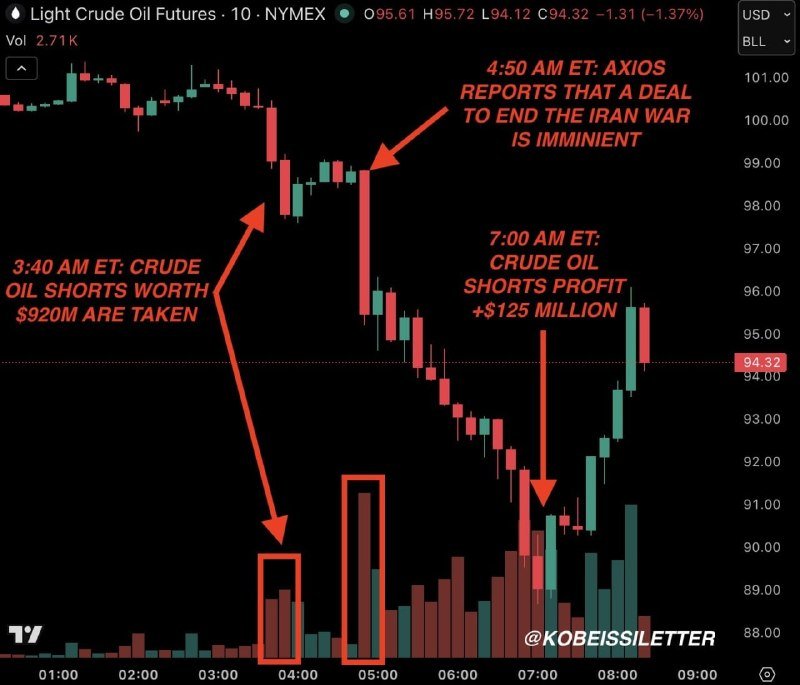
A Pakistani diplomatic source told Reuters on 6 May 2026 that the United States and Iran are finalising a one-page memorandum that would end what the source described as "the war." The same confirmation appeared in simultaneous reporting by CGTN, citing the Reuters dispatch, and by Axios, which cited two US officials and two additional sources briefed on the matter. The convergence — across a Pakistani government channel, an American outlet with direct administration sourcing, and a Chinese state wire — is unusual in a negotiation that both governments have declined to confirm publicly.
What the Reports Say
Axios described the framework as a one-page document that would ease sanctions on Iran in exchange for constraints on its nuclear programme. The deal, as characterised by sources to Axios, would not be a comprehensive treaty or a revival of the 2015 Joint Comprehensive Plan of Action — it would be lighter, faster, and, the sources suggest, more politically durable in Washington because it requires no Senate action. Reuters's Pakistani source used the same one-page framing and described the document as close to finalised, suggesting the text itself is nearly locked. Neither outlet published the memorandum's language, and no official in either capital has confirmed the negotiations on the record.
The sourcing picture matters here. Axios draws on two serving US officials — the highest-fidelity channel for administration decision-making — and two additional briefed sources, for a total of four named sources inside the US government apparatus. Reuters relies on a Pakistani channel, which, while a secondary pipeline, reflects a government that has long played intermediary between Washington and Tehran. CGTN's report is derivative of the Reuters dispatch, adding no independent sourcing. The net evidentiary weight is considerable for an on-the-record denial; it is not confirmation.
Why the Silence From Both Capitals
The State Department declined to comment when approached by wire reporters covering the story. Iran's mission to the United Nations also did not respond to requests for comment. This is not unusual in sensitive diplomatic negotiations — both sides routinely maintain operational silence while talks are active — but it creates a specific epistemic problem for a reader: the story rests on sourcing that is not in the room when the denials are issued.
What the Pakistani channel and the Axios sourcing agree on is the core bargain — relief from sanctions in exchange for nuclear restraint — and the compressed format — one page, not a fully articulated treaty framework. The specifics of what "constraints" means, what categories of sanctions would be lifted, what verification mechanisms are proposed, and whether the deal covers Iran's regional proxy activity are not yet in the public record. Those are the variables that will determine whether the memorandum, if it exists, can survive first contact with domestic political pressure in Washington and Tehran alike.
What We Verified / What We Could Not
Verified: Axios reported on 6 May 2026, citing two US officials and two additional briefed sources, that Washington and Tehran are close to a one-page memorandum that would ease sanctions in exchange for nuclear constraints. Reuters, the same day, reported the same via a Pakistani diplomatic source. CGTN carried the Reuters report without independent sourcing.
Verified: The memorandum, as characterised, would not require Senate ratification. It would be implemented through executive action and Treasury licensing adjustments — a structure that explains why negotiations may have moved faster than conventional treaty diplomacy.
Could not verify: The specific terms of the deal, the text of the memorandum, which sanctions categories would be affected, what verification mechanism the parties have agreed to, and whether the deal covers Iran's regional activities including its support for armed groups.
Could not verify: Whether the Israeli government has been consulted or has consented — a variable with major implications for the deal's regional durability. Israeli officials have not been cited in the current reporting.
Could not verify: Whether the deal has a defined trigger or sunset provision, and what happens if either side accuses the other of non-compliance.
The sourcing is narrow. The consistency across channels is not nothing — three outlets, two governments, four named US sources — but the absence of on-record confirmation from either government means this story remains an advance report of a diplomatic outcome, not a diplomatic outcome confirmed.
The Geopolitical Frame
The timing of this reported acceleration matters against a specific backdrop. The Trump administration has reopened simultaneous negotiations or ceasefire frameworks with Russia over Ukraine, with tariffs a live instrument of economic statecraft across multiple bilateral relationships, and now, apparently, with Iran. Three fronts, three very different adversaries, one common structural dynamic: leverage deployed not to win but to restructure. Whether that approach is coherent or opportunistic depends on whether these tracks conflict or reinforce each other.
For Iran, a sanctions-easing deal would provide economic relief at a moment when its oil revenue is under pressure from both US pressure and reduced buyer enthusiasm in China, which is itself managing a trade confrontation with Washington. For the United States, the deal would reduce the frequency of strikes the IDF has been conducting inside Iran — strikes that have, by any measure, raised regional temperature without demonstrably altering the nuclear trajectory. Whether a memorandum with less binding force than the JCPOA can deliver equivalent nuclear constraint is the central question the sources do not yet answer.
China's position in this calculus is structural. Beijing is Iran's largest crude customer, its primary economic lifeline, and a party with direct interest in any regional de-escalation that reduces the risk of a conflict whose spillover could affect Chinese energy transit routes. That China dispatched CGTN to carry the Reuters report without independent sourcing suggests it is watching, not leading, the narrative — for now.
Stakes
The stakes are sharply distributed. If the memorandum holds and delivers verifiable nuclear constraint, the US gets a regional de-escalation win without the political exposure of a formal treaty ratification fight. Iran gets economic relief and political legitimacy as a negotiating partner rather than a sanctioned pariah. China gets a more stable energy supply line and a demonstration that the dollar-based sanctions architecture can be navigated around.
If the deal fails — through Iranian non-compliance, domestic US opposition, or Israeli action — the fallback is likely worse than the status quo ante. The diplomatic off-ramp will have been used, the trust expended, and the pressure cycle resumes with less leverage and more regional inflammation.
The one-page format is itself a statement. It is designed to be negotiable, reversible, and implementable without the Senate's involvement. Whether those same properties make it durable is the question that neither the Pakistani source nor the four Axios sources can answer from where they stand.
Monexus covered the memorandum report as a live wire story, building the piece from the three confirmed outlets — Axios, Reuters, and CGTN — and flagging the sourcing gaps that distinguish an advance report from confirmed policy. The wire consensus was consistent; the on-record confirmation from either government was not.
Wire provenance
This editorial synthesis draws on the following public wire/social posts:
- https://t.me/wfwitness/4821
- https://t.me/alalamarabic/3318
- https://en.wikipedia.org/wiki/Joint_Comprehensive_Plan_of_Action