US and Iran Near One-Page Memorandum to End Conflict, Sources Say
Reports emerged on 6 May 2026 that Washington and Tehran are close to signing a one-page memorandum aimed at ending hostilities, a development that—if confirmed—would mark the most direct diplomatic engagement between the two sides in years.
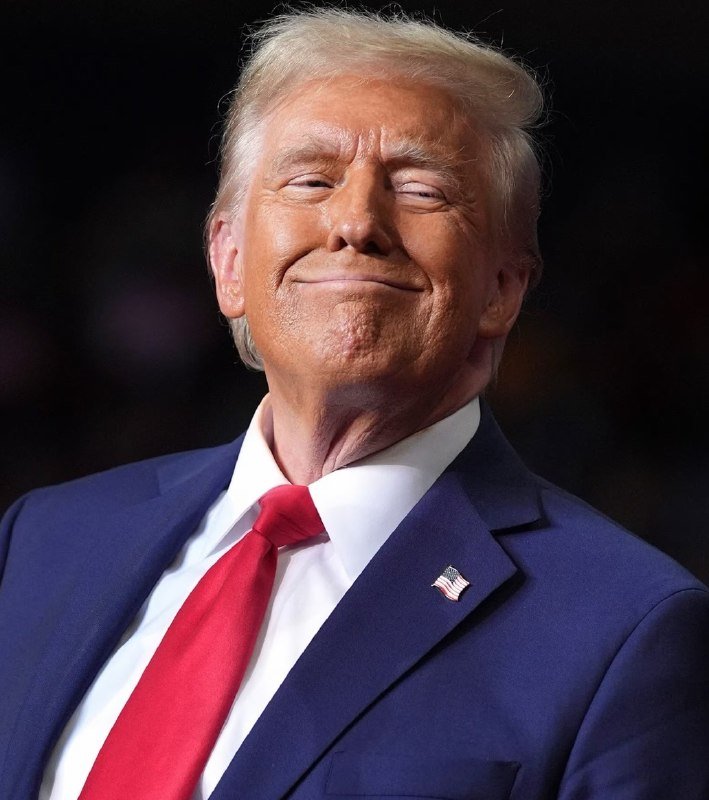
US and Iran Reportedly Finalising Brief Accord
Reports emerged on 6 May 2026 that the United States and Iran are close to agreeing on a one-page memorandum designed to end the ongoing hostilities between the two countries. The development, first reported by Reuters citing a Pakistani source involved in peace efforts, was independently confirmed by Axios, which cited two US officials and two additional sources briefed on the matter.
The timing is notable. For years, diplomatic efforts between Washington and Tehran have stalled amid deep mutual suspicion, rounds of sanctions, and the collapse of the 2015 Joint Comprehensive Plan of Action. That accord, brokered under the Obama administration and abandoned by the Trump administration in 2018, once provided a framework for constraining Iran's nuclear programme in exchange for sanctions relief. Its unraveling ushered in a period of what Iranian state media and its regional partners have characterised as Washington-led "maximum pressure." The Trump administration's second-term approach, however, appears to have introduced a different calculus—one more willing to explore direct engagement, however constrained.
A Document Designed to Avoid the Familiar Traps
What distinguishes this reported framework from previous attempts is its brevity. The proposed memorandum reportedly runs to a single page—a format that, if accurate, signals a deliberate departure from the exhaustive, technically detailed agreements that have historically defined US-Iran diplomacy.
That distinction matters. The 2015 JCPOA took years to negotiate and ran to 159 pages with multiple annexes covering centrifuge research, stockpile limits, inspection protocols, and a complex sanctions-relief timeline. It was, in结构性 terms, an attempt to close every conceivable loophole. Critics of that approach—both inside Iran and among US hawks—argued that its ambition made it fragile: any perceived violation, or any political shift in either capital, risked triggering collapse. The single-page memorandum reportedly under discussion appears designed to sidestep that problem by committing the parties to broad principles rather than granular obligations.
The Pakistani source cited by Reuters described the two sides as "closing in" on the agreement, language that suggests momentum without guaranteeing conclusion. Axios's reporting, citing four distinct sources with direct knowledge of the discussions, adds a second corroborating strand to the account. Neither report specified the memorandum's contents, the timeline for signing, or the mechanisms either side would use to verify compliance. Those gaps are significant—and intentional, if the brevity of the document is any guide.
What Remains Unknown—and Why That Matters
The sources reviewed for this article do not disclose the substance of the memorandum. Neither Reuters nor Axios identified the specific terms under discussion—whether they include nuclear constraints, sanctions relief, regional restraint, prisoner exchanges, or some combination thereof. The absence of detail is itself a data point. Previous rounds of US-Iran diplomacy have routinely leaked before completion, with officials and regional intermediaries briefing journalists on the broad contours of emerging deals. The near-total opacity surrounding this reported memorandum could reflect genuine confidentiality, or it could signal that the discussions remain embryonic.
Also unclear is the role of intermediaries. The Pakistani channel referenced by Reuters suggests Islamabad continues to function as a back-channel between Washington and Tehran—a role it has played intermittently since at least the early 2000s, when Pakistani intelligence facilitated indirect contacts ahead of the US invasion of Iraq. Whether Oman, Switzerland, or other intermediary states are involved cannot be determined from the available reporting.
The question of domestic political cover is equally opaque. Any agreement with Iran requires the agreement to survive scrutiny inside both capitals. In Washington, a Republican-controlled Congress may demand conditions that Tehran finds intolerable; in Tehran, hardliners within the Islamic Revolutionary Guard Corps and among conservative clerical factions have historically obstructed accommodation with the United States. The sources do not indicate whether either government has secured—or even sought—domestic consensus for the reported memorandum.
Regional and Structural Stakes
The implications of even a partial US-Iran accommodation extend well beyond the bilateral relationship. Iran's nuclear programme has been the central flashpoint in Middle Eastern strategic competition for two decades. A workable framework—even a limited one—would alter the incentive structures governing Saudi Arabia, Israel, the UAE, and other regional actors who have factored US-Iran hostility into their own security calculations. For Gulf states, an Iran-US détente could open space for de-escalation; for Israel, it would represent a fundamental shift in the regional alignment they have long encouraged Washington to maintain.
The financial architecture matters too. Sanctions against Iran have been a test case for the broader use of dollar-based financial restrictions as a foreign policy instrument. A deal that eases those restrictions—even temporarily—would be read in Moscow, Beijing, and capitals across the Global South as evidence that the United States can be moved through sustained pressure and diplomatic patience. How the Trump administration frames any resulting accord will shape perceptions of American reliability as a partner and as an adversary.
For Iran, the stakes are economic as much as strategic. Years of sanctions have suppressed living standards, constrained oil export revenues, and deepened the grievances that Iranian reformers have long argued drive regional instability. A memorandum that opens even limited economic space could buy Tehran time—and could, if sustained, shift the internal balance between factions that favour engagement and those that benefit from antagonism.
What Comes Next
The reports of 6 May 2026 describe a process that is close, not concluded. Single-page memoranda do not automatically become signed agreements, and the history of US-Iran diplomacy is littered with near-misses and collapsed negotiations that seemed equally promising at earlier stages. The question is not whether the two sides can agree on a piece of paper—it is whether they can agree on the distribution of costs and benefits that any piece of paper must encode.
What is clear is that the diplomatic architecture is being rebuilt, brick by deliberate brick. The shape those bricks take, and who ends up holding the structure when the dust settles, will determine whether this moment marks a genuine turning point or another chapter in a longer saga of sustained, unresolved confrontation.
This publication reported on the emerging memorandum using Reuters and Axios as primary wire sources, supplementing with Pakistani-intermediary context from regional Telegram channels.
Wire provenance
This editorial synthesis draws on the following public wire/social posts:
- https://t.me/DDGeopolitics/4521
- https://t.me/englishabuali/2854
- https://x.com/reuters/status/193045000000000001
- https://x.com/cgtnofficial/status/193045000000000002
- https://t.me/alalamarabic/8923