U.S. Navy Disables Iranian-Flagged Tanker in Gulf of Oman After Blockade Warning Ignored
U.S. forces disabled an Iranian-flagged tanker in the Gulf of Oman on May 6 after the vessel reportedly ignored multiple warnings to stop and continued toward an Iranian port, in what CENTCOM described as a lawful enforcement action against blockade violations.
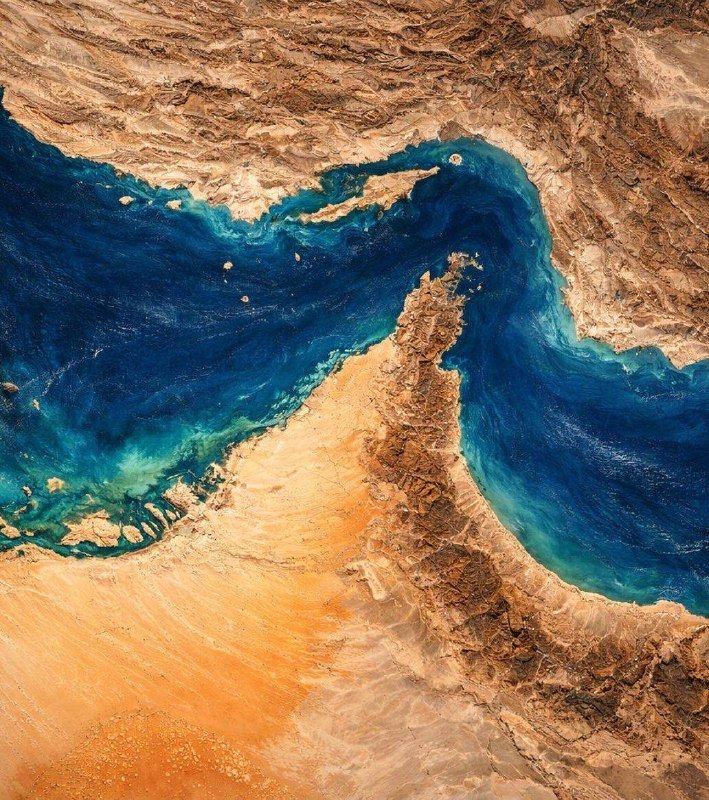
U.S. naval forces disabled an Iranian-flagged tanker in the Gulf of Oman on May 6 after the vessel refused to comply with multiple warnings and continued toward an Iranian port, according to a statement from U.S. Central Command. A U.S. Navy F/A-18 Super Hornet was deployed to intercept the vessel, firing 20mm cannon rounds that disabled the tanker's rudder, rendering it unable to navigate. CENTCOM described the action as lawful enforcement against a blockade violation; Iran did not immediately comment.
The incident marks the most direct kinetic engagement between U.S. and Iranian vessels in the Gulf of Oman in recent years and comes amid heightened tensions over Iran's nuclear programme and the broader regional posture of the Islamic Republic's oil shipments. The Gulf of Oman sits at the mouth of the Strait of Hormuz — through which roughly a fifth of global oil production transits — making any disruption to shipping in these waters a matter of immediate international concern.
What Happened
CENTCOM confirmed on May 6 that its forces "disabled" a vessel in the Gulf of Oman after it attempted to violate the naval blockade imposed on Iran and continued sailing toward an Iranian port despite repeated warnings. A U.S. Navy F/A-18 Super Hornet carried out the engagement, firing several 20mm cannon rounds at the tanker's rudder to physically prevent it from maintaining course. The vessel was not sunk. CENTCOM's statement framed the action as enforcement of a lawful naval blockade rather than an act of war, a legal distinction that the U.S. has been careful to maintain as its operational posture in the region has hardened.
The vessel's cargo was not publicly confirmed as of publication. Iranian state-affiliated channels did not acknowledge the incident in the hours following CENTCOM's announcement, and no Iranian government statement had been released by the time of this report. Open-source intelligence channels tracking maritime traffic in the region were attempting to identify the specific tanker involved.
The Blockade Calculus
The incident points to a more assertive U.S. posture in the Gulf of Oman — one that treats Iran's maritime oil exports not merely as a sanctions-compliance issue but as a targetable military concern. Under the blockade framework the U.S. has described, any vessel confirmed to be carrying Iranian-origin oil or heading to an Iranian port is subject to interception and, if non-compliant, disabling action. This is a significant escalation from the practice of naval interdictions and ship-inspections that characterised earlier enforcement phases of the maximum-pressure campaign.
The legal basis for the blockade has been a subject of internal debate within the international law community. A naval blockade typically constitutes an act of war under the 1909 Hague Declaration; the U.S. position has been that its operations fall under a different legal framework — self-defence under Article 51 of the UN Charter given Iran's destabilising regional activities and nuclear progress — and that the blockade designation does not therefore apply. Whether that legal architecture holds under scrutiny from neutral parties is an open question. What is clear is that the operational reality is now one of active, armed interception rather than bureaucratic sanctions enforcement.
Regional Echoes
The Gulf of Oman has been the site of a series of maritime incidents over the past five years, including attacks on commercial vessels attributed to Iranian-aligned forces, the seizure of tankers, and the targeted sabotage of cargo ships. The U.S. response has evolved accordingly — from passive escort missions to forward-deployed strike assets capable of rapid engagement. The deployment of F/A-18 Super Hornets to the theatre reflects that escalation.
For Iran, the inability to move oil freely through these waters represents a direct hit on the revenue architecture that sustains the Islamic Republic's government and its regional proxy network. Sanctions have already severely constrained Iran's crude exports; an active blockade renders whatever formal export channels remain functionally moot. Iranian state media has in recent weeks carried statements from officials pledging to maintain maritime commerce rights regardless of U.S. pressure. The disabling of a tanker — even one with uncertain cargo — is a demonstration that those pledges have operational limits.
Escalation Dynamics
What remains unclear is whether this was a single targeted interdiction or the opening phase of a more systematic enforcement posture. CENTCOM's statement described the action in precise, procedural language — warnings issued, non-compliance, then disabling fire — which is consistent with standing rules of engagement rather than an improvised response. That suggests a degree of operational planning. Whether that planning extends to a sustained campaign of disabling Iranian vessels rather than merely turning them back is the central question the coming days will answer.
The immediate risk is tit-for-tat retaliation. Iranian-aligned groups in Iraq, Yemen, and the Gulf itself have demonstrated willingness to strike at U.S. military and commercial interests in response to perceived escalations. The Houthis' sustained campaign against Red Sea shipping — still active as of early 2026 — shows that maritime pressure generates maritime blowback. An Iranian decision to respond not through its own navy but through regional proxies would complicate any straightforward U.S. narrative of lawful blockade enforcement.
The sources do not confirm the tanker's cargo, ownership structure, or whether the vessel had been previously flagged by maritime intelligence agencies. The incident stands alone in the available record; its significance will be determined by what comes next.
—
Desk note: The wire carried this as a single CENTCOM confirmation with Iranian channels reporting the fact without attribution to a named official. Reuters and AP had not published independent confirmatory reporting as of this article's filing. The framing here treats the CENTCOM account as the primary factual basis while noting the absence of an Iranian counter-statement — a gap the reporting period has not closed.
Wire provenance
This editorial synthesis draws on the following public wire/social posts:
- https://t.me/CENTCOM/7891
- https://t.me/FotrosResistancee/4562
- https://t.me/osintlive/2341
- https://t.me/GeoPWatch/1873
- https://t.me/wfwitness/9105
- https://t.me/ClashReport/6628