Gulf Economies Brace for Years of Disruption as Iran Conflict Reshapes Regional Trade
Commentators warn that Gulf economies face a long-term hit from the Iran conflict, with oil exports stifled and port operations strained as the region navigates sustained disruption to its trade arteries.
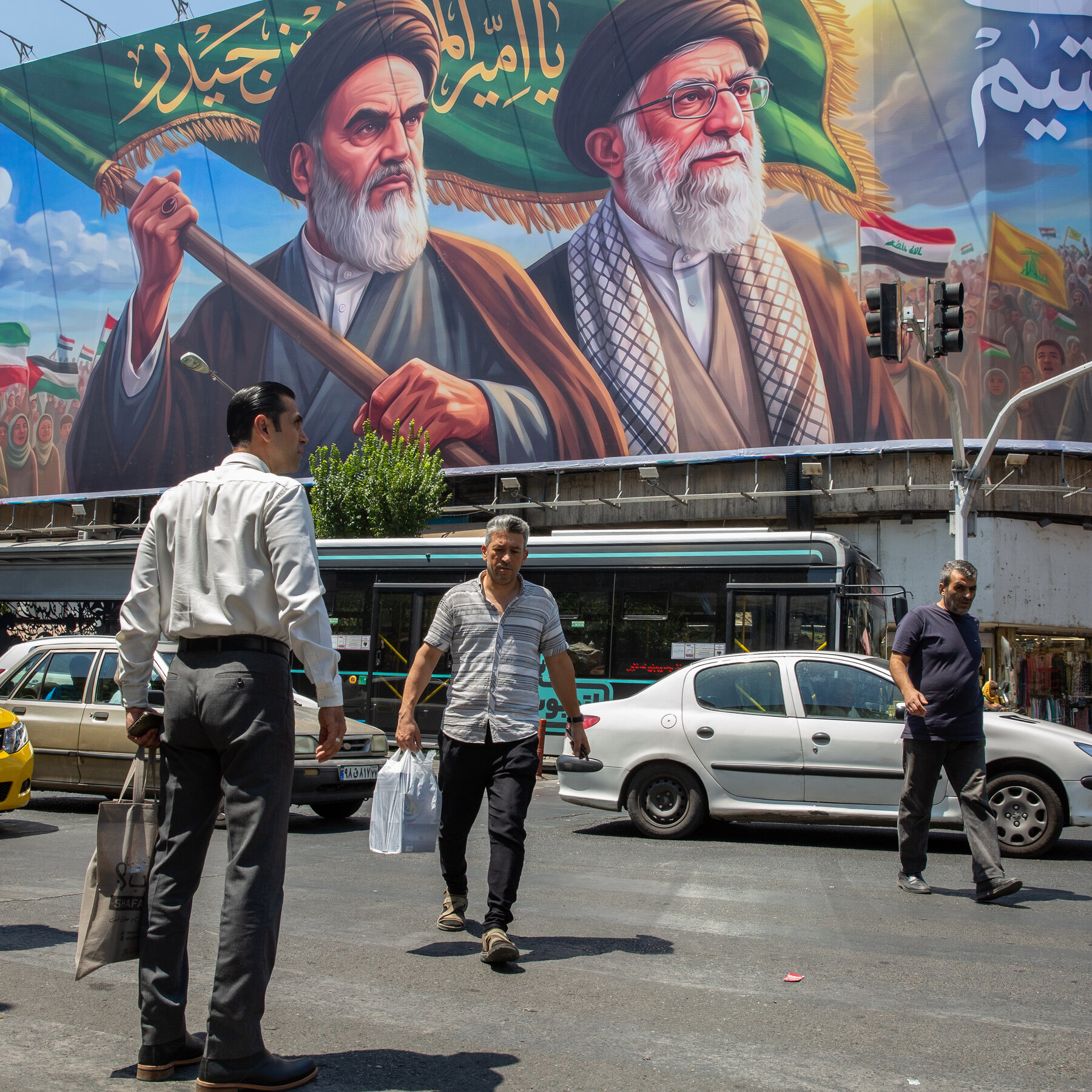
The Gulf's economic architecture is under unprecedented strain. As conflict with Iran continues to suppress oil exports and disrupt maritime passage through the Strait of Hormuz, regional economies that have spent decades building their role as the world's energy hub are confronting a reckoning with their structural vulnerabilities.
According to analysis published on 6 May 2026, commentators assessing the conflict's fallout say the damage to Gulf commercial networks will take years — in some cases decades — to repair. The assessment, drawn from multiple assessments circulating in financial and policy circles, reflects growing acceptance that the disruption is not a temporary shock to be absorbed but a structural rupture with permanent consequences for how the region positions itself in global trade.
Immediate Pressure on Trade Arteries
The Strait of Hormuz has long served as the chokepoint through which roughly a fifth of the world's oil passes. That passage is now contested in ways that have forced shipping companies, traders, and regional governments to make urgent decisions about routing, insurance, and throughput capacity.
Reporting from Reuters documented the role of Gulf ports in maintaining the flow of goods even as conflict disrupts established transit lanes. The ports keeping the Gulf alive — for now, the wire service noted, are absorbing volumes that would normally move through higher-risk corridors. Storage facilities are filling. Transshipment hubs that once operated as logistical conveniences are now functioning as strategic buffers, taking in cargo that cannot move through its usual channels without unacceptable delay or cost.
The immediate economic pressure is visible in freight premiums, insurance surcharges, and the willingness of vessel operators to transit certain waters. Shipowners with alternative routing options — longer voyages around the Cape of Good Hope — are exercising those options at significant cost. The resulting congestion at alternative ports is creating secondary bottlenecks that ripple through global supply chains far beyond the Gulf itself.
The Export Squeeze and Revenue Consequences
Iran's oil export capacity has been a variable in global energy markets since the reimposition of American sanctions in 2018. The current conflict has dramatically accelerated that suppression. Bloomberg reporting on 6 May 2026 described how the war on Iran continued to stifle oil exports from the Arabian Gulf, with additional closures forced as kinetic activity extended to infrastructure that had previously operated in semi-tolerance of sanctions enforcement.
For Gulf states that have built state budgets around oil revenues, the combination of lower throughput and volatile prices creates a fiscal problem with no immediate resolution. Governments in Riyadh, Abu Dhabi, and Doha are reviewing expenditure plans that assumed stable export volumes. The reviews are being conducted quietly, but sources familiar with internal deliberations describe a shared recognition that multi-year fiscal frameworks will need revision.
The export squeeze also affects the non-oil sectors that Gulf governments have invested heavily in diversifying. Ports, logistics, financial services, tourism — all depend on the broader ecosystem of movement that oil exports anchor. When tanker traffic thins, the ancillary traffic that gives Gulf economies their depth follows.
Strategic Calculations and Diplomatic Pressure
Western governments have publicly supported Gulf partners while privately acknowledging the limits of what military posturing can achieve in stabilising the energy-trade environment. The conflict with Iran has put allied policymakers in the position of simultaneously projecting resolve and managing the economic consequences of a confrontation they helped escalate.
The structure of the problem is not new — similar calculations were run in the 1980s during the Iran-Iraq war, when Gulf states absorbed economic pressure while superpowers managed the broader geopolitical balance. What differs now is the speed of information, the scale of financial exposure, and the degree to which Gulf sovereign wealth has been deployed in global markets that respond immediately to regional risk signals.
There is also a counter-narrative circulating in parts of the Gulf policy community: that the disruption, however painful, is accelerating structural shifts that were already underway. Efforts to develop alternative export routes — pipelines through Jordan and Turkey, expanded port capacity in the eastern Mediterranean — were ongoing before the conflict. The pressure may be compressing timelines for investment decisions that were previously deferred.
The Long View: Reconstruction, Realignment, and Risk
The commentators who assess the damage taking years or decades to repair are pointing to more than physical infrastructure. They are identifying institutional knowledge, commercial relationships, and insurance frameworks that take time to rebuild once disrupted. Lloyd's underwriters and their counterparts in the Gulf are reworking risk models that previously treated Hormuz transit as routine. That recalibration has a compounding effect: higher premiums push more traffic to alternative routes, which over time makes those routes the new normal, which makes the original chokepoint less central to regional commercial identity.
If that shift becomes entrenched, the economic consequences for Gulf states extend beyond the conflict itself. The Hormuz premium that has historically enriched port operators, logistics firms, and the maritime services ecosystem would diminish as shipping patterns restructure. Gulf economies would need to find new sources of the traffic volumes that currently sustain them.
What remains genuinely uncertain is whether the current disruption accelerates trends that would have emerged anyway or whether it inflicts damage that the region will spend the next generation recovering from. The sources reviewed for this article do not resolve that question. What they make clear is that the Gulf's position as a central node in global energy and trade architecture — a position it has occupied since the 1970s — is no longer something that can be taken for granted.
The port cities of the Arabian Peninsula are still functioning. Ships are still moving. But the assumptions that underpinned Gulf economic planning for half a century are under review, and the conclusions of that review will shape the region's trajectory long after the current conflict ends.
This publication covered the Gulf economic impact through a lens focused on trade infrastructure resilience and fiscal exposure, where wire coverage in some outlets centred on military dynamics. The structural economic dimension warranted the primary emphasis given here.
Wire provenance
This editorial synthesis draws on the following public wire/social posts:
- http://reut.rs/4tpeZV5
- https://t.me/alalamarabic