Three Dead, Scores Sick: Anatomy of a Cruise Ship Outbreak
A respiratory illness swept an ocean liner in early 2026, killing three passengers and sickening more than 100 others. The vessel limped to port under quarantine as investigators traced the pathogen to rodent reservoirs and inadequate onboard containment.
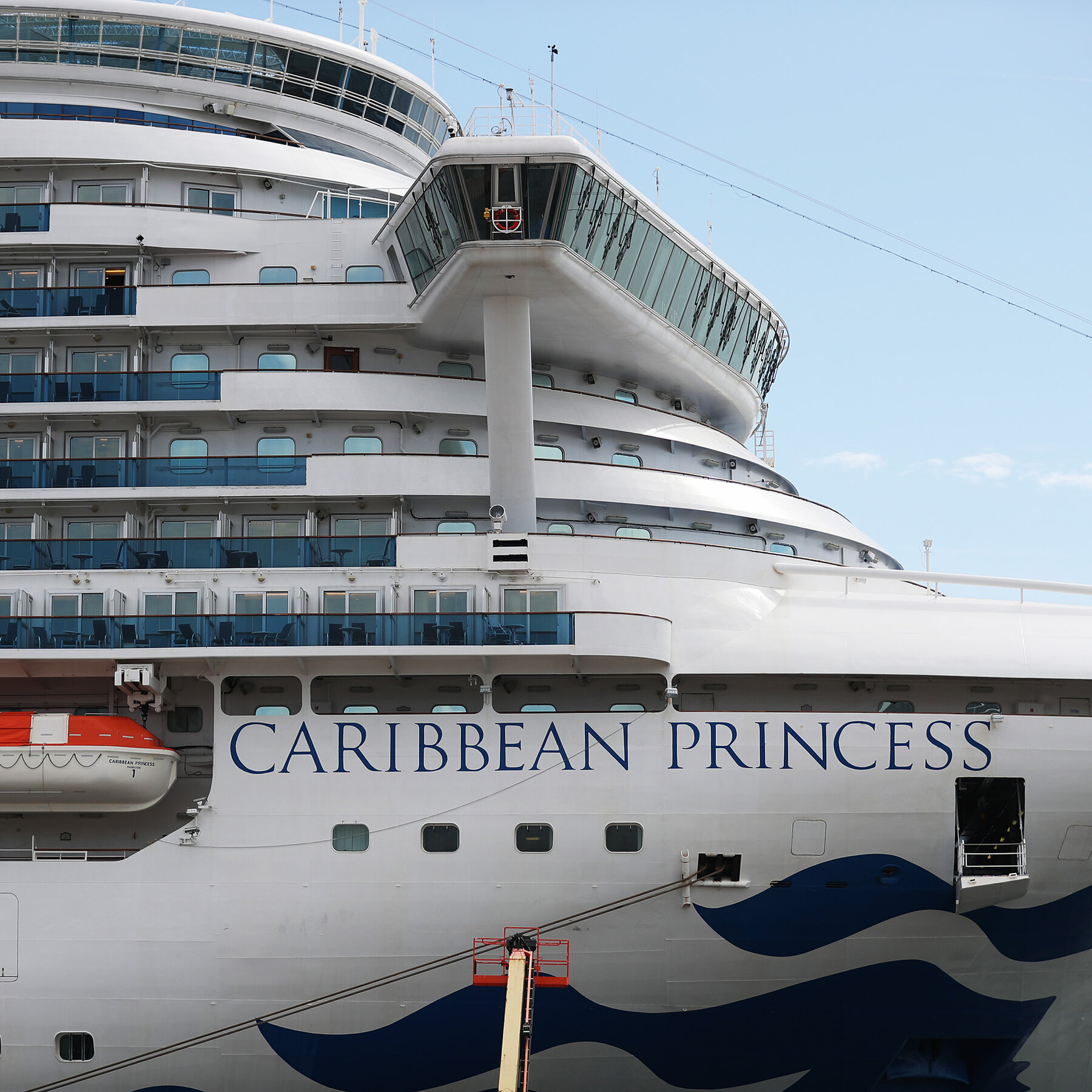
The dead were passengers aboard a cruise liner that set sail in early 2026 and never completed its itinerary. Within days of departure, a respiratory illness of unknown origin spread through the vessel's lower decks. Three people died. More than 100 others fell sick. When the ship finally docked, it sat under quarantine for a further eleven days while health officials in two countries mapped the transmission chain and waited for the last confirmed case to clear isolation.
The hantavirus — specifically the Andes strain, which circulate in rodent populations across parts of Latin America — was identified by day four as the causative agent. That identification took longer than epidemiologists would have liked, in part because the ship's medical bay lacked the rapid point-of-care molecular tests that exist in better-resourced port facilities. By the time a definitive result arrived, the infection had moved through cabin clusters on decks three and four, where older passengers and those with pre-existing cardiopulmonary conditions were concentrated.
The death toll stands at three. The sources do not disclose their nationalities or ages. What is known is that at least two required medical evacuation by helicopter before the vessel reached safe harbour — a procedure that itself took hours to arrange because coastal rescue coordination in the region involves multiple agencies and overlapping radio frequencies. The third fatality occurred onboard, after the ship's infirmary had already been overwhelmed.
Andes hantavirus carries a case-fatality rate that public health literature places between 35 and 40 percent — significantly higher than the Seoul strain that circulates more widely. It transmits between humans in its pulmonary form, which makes confined communal environments particularly high-risk. The cruise ship context amplified every transmission dynamic that makes hantavirus dangerous in the first place: shared ventilation, communal dining, confined crew quarters, and sanitation infrastructure that routed rodent-proofed waste plumbing through sections of the vessel already known to have pest incursion problems.
The Indian Express, citing crew members who spoke on condition of anonymity, reported that morale on the ship was high despite the crisis. That framing requires context. Morale assessments aboard vessels undergoing active medical emergencies are notoriously difficult to read from the outside — crew members who spoke to reporters after disembarkation described weeks of rotating shifts in masks and gloves, restricted movement between decks, and a growing unease as passenger caseloads in the infirmary climbed faster than the medical team could absorb them. High morale, in this instance, may reflect discipline under pressure rather than any absence of fear.
The public health response exposed structural gaps that advocates for maritime safety have flagged before. Screening protocols for passengers boarding in the region rely on thermal imaging and symptom declaration forms — instruments calibrated for respiratory illness surveillance during the Covid-19 era but far less reliable for a pathogen with an incubation period that can stretch to six weeks and a transmission profile that includes early asymptomatic shedding. The International Maritime Organization has published guidance on rodent-vector exclusion, but compliance monitoring is conducted port-by-port and depends on inspection regimes that vary significantly in rigour between flag-state jurisdictions.
Health ministries in the ship's port of registry and its last port of call both opened investigations. Neither has published a final report as of this writing. The interim finding, such as it is, points to rodent access in a lower-deck service area as the index source — consistent with the Andes hantavirus ecology, which requires contact with infected rodent urine, saliva, or droppings rather than respiratory droplet spread as the primary environmental route. Human-to-human transmission then amplified what began as a sporadic zoonotic exposure.
The structural question is not whether this outbreak could have been prevented — animal-human spillover events resist clean prevention frameworks — but whether the response architecture is adequate to the speed at which a respiratory hantavirus moves through a sealed environment. The answer, on the evidence of this case, is no. Faster point-of-care diagnostics at sea, pre-embarkation rodent barrier audits with real consequences for non-compliance, and pre-positioned antiviral protocols for emerging respiratory pathogens are not speculative asks. They are lessons the industry has had since 2018 and has not yet systematised.
What the sources do not yet explain is why, given that the Andes strain has been documented in the region for decades, no cruise operator had updated its medical protocols to reflect the specific transmission dynamics of the pulmonary form. That question will be central to the pending regulatory review. Until that review reports, the dead are counted, the sick have cleared isolation, and a vessel that set out with several thousand passengers and crew is back in port — but the broader vulnerability it exposed remains open.
Monexus framed this as a maritime public health story rather than a cruise industry crisis narrative, foregrounding the systemic diagnostic and regulatory gaps over individual operator culpability.