Iran Parliament Speaker Dismisses US Hormuz Operation as Failed Diplomatic Theater
Iran's Parliament Speaker Mohammad Bagher Ghalibaf declared on 7 May 2026 that Washington's halted 'Project Freedom' operation at the Strait of Hormuz amounted to little more than a failed bluff, marking the latest escalation in a diplomatic standoff that has rattled global energy markets for weeks.
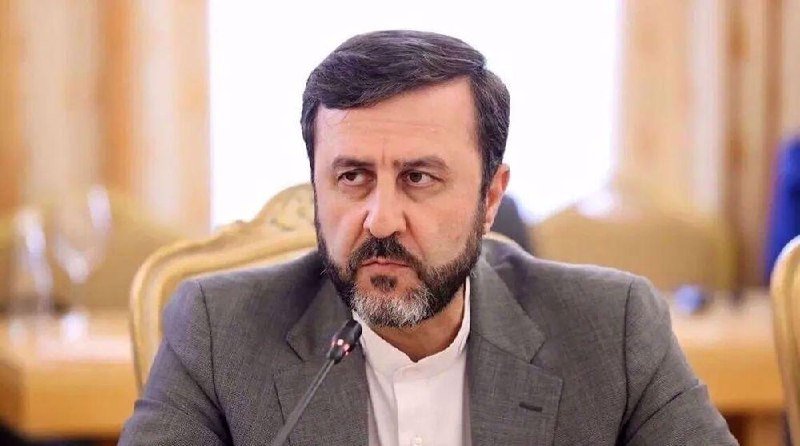
Mohammad Bagher Ghalibaf, the Speaker of Iran's Parliament and head of Tehran's nuclear negotiations delegation, delivered a blunt assessment on 7 May 2026: Washington's much-discussed "Project Freedom" military posturing at the Strait of Hormuz had collapsed into diplomatic irrelevance. Speaking from Tehran, Ghalibaf characterized the US operation—reportedly involving enhanced naval positioning and sanctions escalation designed to choke Iranian oil revenues—as a bluff that Iran had successfully called. "Operation 'Trust me, bro' failed," Ghalibaf said, according to transcripts from the Iranian Parliament's official feed. "We're back to the usual—Operation 'Fakeios.'" The remarks, widely carried by Iranian state media within hours, signal that Tehran views the entire episode as a managed de-escalation rather than a genuine shift in American policy.
The question now is what Tehran's public confidence reveals about the underlying balance of leverage—and what it conceals. Ghalibaf's dismissive framing serves an immediate domestic purpose: demonstrating resolve to a parliament and populace that have weathered years of crushing sanctions. But it also reflects a broader Iranian calculation that Washington, despite its maximalist rhetoric, ultimately lacks the willingness or regional consensus to execute a serious naval interdiction campaign. The strait carries roughly 20 percent of the world's oil shipments; an actual military confrontation there would send global prices spiking in ways neither the Trump administration nor its Gulf allies appear prepared to absorb. Iran appears to be betting that this structural reality gives it more room to posture than the current US posture suggests.
The Anatomy of a Halted Operation
What Washington styled as "Project Freedom" apparently involved a coordinated show of force intended to demonstrate American capacity to interdict Iranian oil exports—a lever the administration believed could force Tehran back to the negotiating table on terms favorable to the United States. Reports circulating ahead of the operation's announced halt suggested the deployment had been timed to coincide with renewed nuclear talks, effectively tying military pressure to diplomatic carrots. Iranian officials were quick to frame this as coercive diplomacy: a familiar playbook, they argued, that had failed to achieve its objectives in previous cycles.
The halt itself came without a formal public explanation from the White House or Pentagon. Official statements referenced logistical considerations and ongoing diplomatic assessments—language critics in Tehran's parliament immediately dismissed as euphemisms for retreat. Ghalibaf, speaking as both Parliament Speaker and head of the nuclear negotiating team, left little room for ambiguity: whatever terms Washington had hoped to impose had been rejected, and Iran was returning to its baseline posture of international legal advocacy while continuing uranium enrichment activities that remain at the center of the ongoing talks.
The episode is notable precisely because it represents a departure from the administration's early 2025 posture, which had emphasized maximum pressure and minimal diplomatic contact. The fact that the Hormuz operation was halted without apparent tangible concessions from Tehran suggests either a recalibration of strategy or a recognition that the costs of actual confrontation outweighed the purported benefits. Which of those explanations holds will shape the trajectory of any resumed negotiations.
Iran's Diplomatic Counter-Position
From Tehran's perspective, Ghalibaf's blunt language reflects more than rhetorical flourish. The Iranian negotiation team, which he leads, has spent months building arguments that US sanctions policy constitutes illegal economic warfare and that any sustainable resolution requires both sanctions relief and formal recognition of Iran's right to civilian nuclear development. The stalled Hormuz operation, in this framing, validates that argument: the United States attempted coercion, failed to extract concessions, and is now returning to talks without having altered the fundamental balance.
Iranian state media, including PressTV, amplified Ghalibaf's remarks extensively on 7 May, presenting them as evidence that Tehran's patient approach had outlasted Washington's coercive bursts. This framing serves a dual audience: domestic hardliners who remain skeptical of any negotiated outcome, and international observers the Iranian team hopes to persuade that the current deadlock reflects American inflexibility rather than Iranian obstruction.
The question of whether the nuclear talks themselves can resume productively remains open. Western diplomatic sources cited by wire services have emphasized that the window for a deal aligned with the Joint Comprehensive Plan of Action's original parameters has essentially closed; any new agreement would likely require Tehran to accept constraints beyond those in the 2015 accord. Iranian officials, for their part, have insisted that any framework must include sanctions relief as a prerequisite, not an outcome, a position that has historically made bridging the gap difficult. Ghalibaf's public confidence may be designed partly to strengthen Tehran's hand as preliminary backchannel discussions reportedly continue.
The Strait of Hormuz and Global Oil Architecture
The Strait of Hormuz is not merely a geopolitical abstraction. The waterway, squeezed between Oman and Iran, handles approximately 20 percent of global oil trade and roughly 20 percent of liquefied natural gas shipments. Any credible threat to its flow—real or perceived—moves markets in ways that quickly exceed the political calculations of the capitals involved. When the United States announced enhanced naval presence in the Gulf earlier in 2026, oil prices reacted with visible sensitivity. The operation's halt, by contrast, produced a modest price correction in Asian markets on 7 May, suggesting traders interpreted the development as a reduction in near-term supply risk.
This dynamic places both sides in a structurally awkward position. Washington wants leverage over Tehran; the most effective lever involves threatening the strait's traffic, which threatens global prices, which generates pressure from consuming nations that Washington also wants to keep onside. Tehran, for its part, has historically invoked the strait's strategic significance as a deterrent—warnings that any attack on Iranian infrastructure or any attempt to strangle oil exports could prompt retaliatory action against shipping lanes. That implicit threat has not disappeared; it has merely been rendered temporarily less acute by the current standoff's suspension.
What this episode reveals, structurally, is a双方小心翼翼地维持在刀刃上: neither side wants hot conflict, but both believe they benefit from demonstrating willingness to countenance it. The result is a pattern of managed crises, each of which resolves without decisive outcome but leaves the underlying tensions more deeply entrenched.
What Comes Next
The halt of "Project Freedom" does not constitute a diplomatic breakthrough. It creates, at best, a pause—a moment in which both sides can reassess whether their opening positions remain fixed or whether some adjustment is possible before the next iteration of pressure-and-posturing begins. Ghalibaf's dismissive public remarks suggest Tehran is not inclined to offer unilateral concessions in exchange for a cessation of a naval posture it characterizes as fundamentally theatrical.
The nuclear talks, already fragile, now face the additional burden of this episode's rhetoric. Negotiating teams on both sides will need to navigate between domestic audiences that demand visible toughness and the international context that rewards durable compromise. The sources consulted for this article do not specify the current status of backchannel communications or whether a new round of formal talks is imminent.
What is clear is that the Hormuz episode has added a new data point to the longer trajectory of US-Iranian relations: a demonstration that maximum pressure, as currently configured, is insufficient to produce capitulation, but also insufficient to justify the costs of escalation. The result is neither victory nor defeat, but the familiar middle ground of managed hostility that has characterized the relationship for decades. Whether the current pause becomes a foundation for something more substantive or simply the intermission before the next act remains the central unresolved question for diplomats on both sides.
Ghalibaf's characterization of the US operation as "Fakeios" drew significant engagement on Iranian social media, where similar memes referencing previous cycles of Western sanctions pressure have circulated widely. The sources do not provide a direct response from the White House or State Department as of publication.
Wire provenance
This editorial synthesis draws on the following public wire/social posts:
- https://t.me/presstv/98765
- https://t.me/englishabuali/45678
- https://x.com/sprinterpress/status/1928374659203450889
- https://en.wikipedia.org/wiki/Strait_of_Hormuz
- https://en.wikipedia.org/wiki/Joint_Comprehensive_Plan_of_Action