JM Coetzee, Nobel laureate, boycotts Jerusalem literary festival over Gaza
Nobel laureate J.M. Coetzee has declined an invitation to the Jerusalem International Writers Festival, citing what he called the "genocidal campaign in Gaza" and warning that former supporters of Israel are now turning away from the country over the ongoing bloodshed.
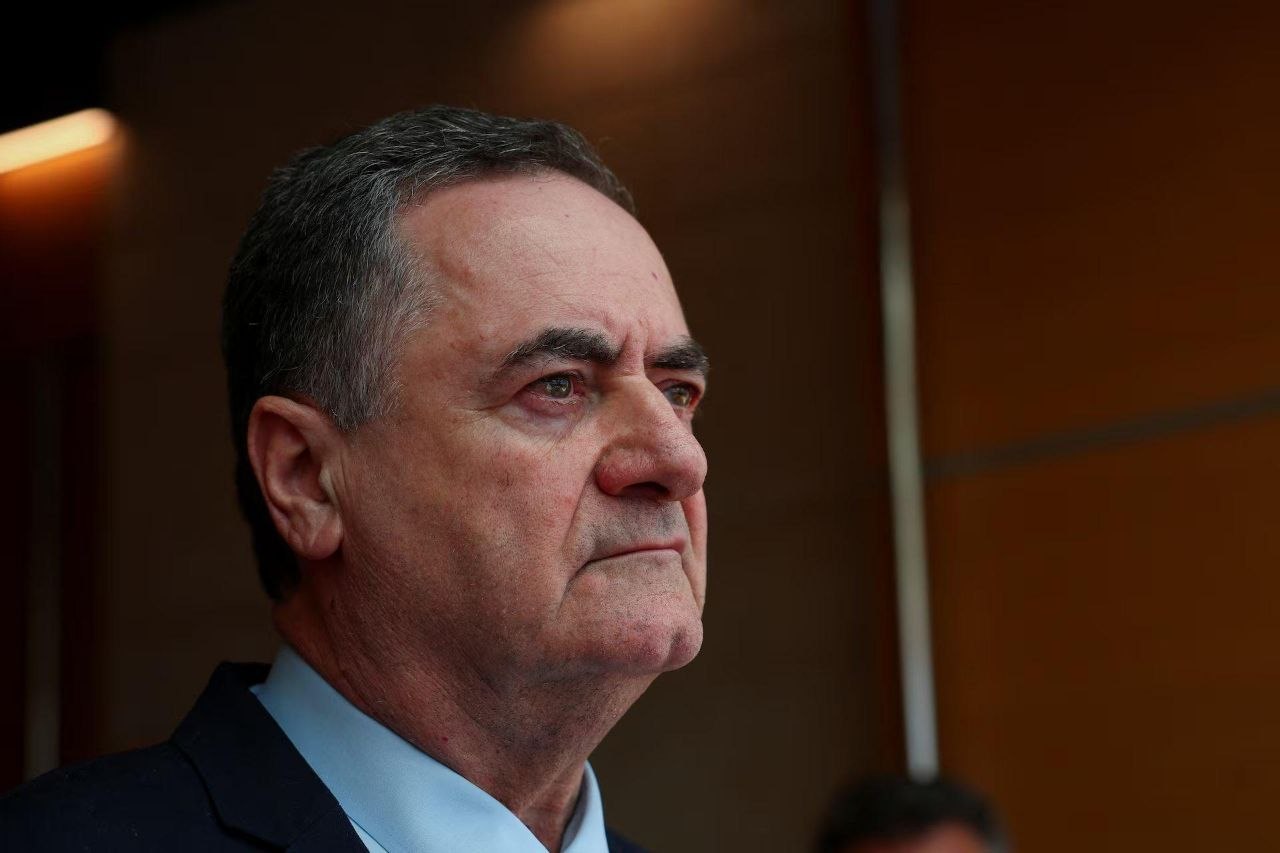
J.M. Coetzee, the Nobel prize-winning novelist, has declined an invitation to attend the Jerusalem International Writers Festival, writing directly to the festival's director that he will not participate in what he described as a "genocidal campaign in Gaza." The decision, communicated publicly on 7 May 2026, places Coetzee's name alongside a growing — if still fragmentary — coalition of writers, artists, and academics who have used cultural platforms to register opposition to Israel's military campaign in Gaza, now in its sixteenth month.
The response from festival organisers was measured and terse. A statement issued shortly after the disclosure expressed regret and described Coetzee's characterisation as "deeply unfortunate," without directly addressing the specific military operations in Gaza that prompted his withdrawal. That calibrated response itself tells a story: the festival finds itself navigating a reputational minefield where the cost of dismissing Coetzee outright risks compounding the very criticism it hopes to deflect.
A writer with form on South African history
Coetzee's political engagement is not ornamental to his literary career — it is structurally woven into it. Born in South Africa in 1940, he spent the apartheid years in South Africa, the United Kingdom, and the United States before returning to Cape Town in 2002. His fiction has never hidden its preoccupation with colonial violence, linguistic dispossession, and the moral compromises of ordinary people under unjust systems. Disgrace, which won him his second Booker Prize in 1999, centres on a white South African professor navigating the country's post-apartheid reality in ways that remain deliberately uncomfortable. He has previously declined honours from France and Australia over policy disagreements, and resigned from a university chair in protest at institutional responses to the Second Intifada. That track record is relevant: Coetzee does not refuse engagements impulsively, and the literary world knows it.
His withdrawal from the Jerusalem festival is therefore not a gesture. It is a structurally significant intervention by someone with the standing to make it carry weight. The Jerusalem International Writers Festival, founded in 2013, has built a programme that mixes international literary names with regional voices, and has previously navigated political controversy without incident. That this refusal lands differently now reflects the changed gravity of the Gaza conflict — not merely in the volume of casualties, but in how the conflict is being read across a generation of writers and readers who process cultural legitimacy differently than their predecessors did.
What Coetzee said — and what he didn't say
The substance of Coetzee's letter to the festival, as reported by Middle East Eye, describes the Israeli campaign in Gaza in terms that leave little diplomatic room: "genocidal campaign." He also reportedly warned that former supporters of Israel among the cultural and intellectual classes are "turning away" from the country. That framing — a diaspora and intellectual realignment, not simply a protest event — is the most substantive part of what Coetzee has said publicly. It is not a call to boycott in general; it is a diagnosis of a shift already underway.
The distinction matters. Individual boycotts of Israeli cultural institutions are not new — the Boycott, Divestment and Sanctions movement has pursued them since 2005. What distinguishes Coetzee's intervention is not its novelty but its authorship. A writer who has spent six decades building an oeuvre around moral ambiguity and structural injustice declining a prestigious invitation is a different signal than a petition signed by three hundred academics, because it carries an aesthetic as well as a political charge. Coetzee's fiction has always been suspicious of clean moral categories; the refusal is, in that sense, stylistically consistent with the work.
That does not make the withdrawal without complication. Israeli literary culture — its publishing houses, its universities, its festivals — contains writers, translators, and editors who have themselves expressed horror at the campaign in Gaza. A blanket cultural boycott, even one directed at a festival rather than at individual colleagues, is not easily calibrated to spare those voices while maintaining pressure on the institutions that host them. Coetzee's letter does not address this tension explicitly. That silence is notable.
The festival, the framing, and the limits of cultural politics
Jerusalem's international literary events have long carried a political valence that the programme itself cannot fully neutralise. The city's status remains contested — and that contest has sharpened rather than receded since 7 October 2023. Festivals in Jerusalem necessarily operate under a reputational constraint: they must attract international participants to maintain programme quality, but international participants increasingly carry political conditions that are difficult to satisfy without taking sides in a conflict that has no resolution in sight.
This is not a problem unique to Jerusalem. Cultural boycotts of South Africa were genuinely effective as a cumulative force in the 1980s not because any single artist declined a single engagement, but because the cumulative weight changed the cost-benefit calculus of the apartheid state. The parallel is imperfect — the political structures differ, the international consensus differs, and the military realities differ — but the underlying mechanism is similar: cultural pressure works as a signal, not as a sanction. Coetzee's refusal signals something about how a significant literary figure now reads the political landscape in which Israel operates. Whether that signal accumulates into a broader shift in how cultural institutions engage with Israel is a different and larger question.
The stakes — for the festival, for literary culture, for the argument about engagement
The immediate stakes are for the Jerusalem International Writers Festival, which now has to manage a refusal that has attracted international coverage on a week when it presumably hoped to focus attention on programme announcements. Beyond that, the stakes are for the broader argument within liberal and progressive intellectual circles about the efficacy and ethics of cultural engagement with states conducting military operations that critics classify as genocidal. Coetzee has answered that question for himself — he will not go. The harder question, which his letter does not resolve, is whether staying away is more or less useful than going and speaking.
That debate is not new, and it will not be settled by this episode. But Coetzee's particular standing within world literature — a two-time Booker winner, a Nobel laureate, a writer whose fiction is read across four continents — means his refusal will be quoted, debated, and instrumentalised by multiple sides in a dispute that shows no signs of resolution.
This publication's coverage of the Jerusalem International Writers Festival has tended to treat such events as primarily cultural programming rather than political statements — a distinction the festival itself has sometimes welcomed. Coetzee's withdrawal places that distinction under renewed pressure.
Wire provenance
This editorial synthesis draws on the following public wire/social posts:
- https://x.com/middleeasteye/status/1921434567824232466