NBA Conference Semifinals: Night 4 Preview — What to Watch in Cavs-Pistons and Lakers-Thunder
With both series deadlocked at 0-1, Game 2 carries disproportionate weight for Cleveland, Detroit, Los Angeles, and Oklahoma City entering the second round of the NBA playoffs.
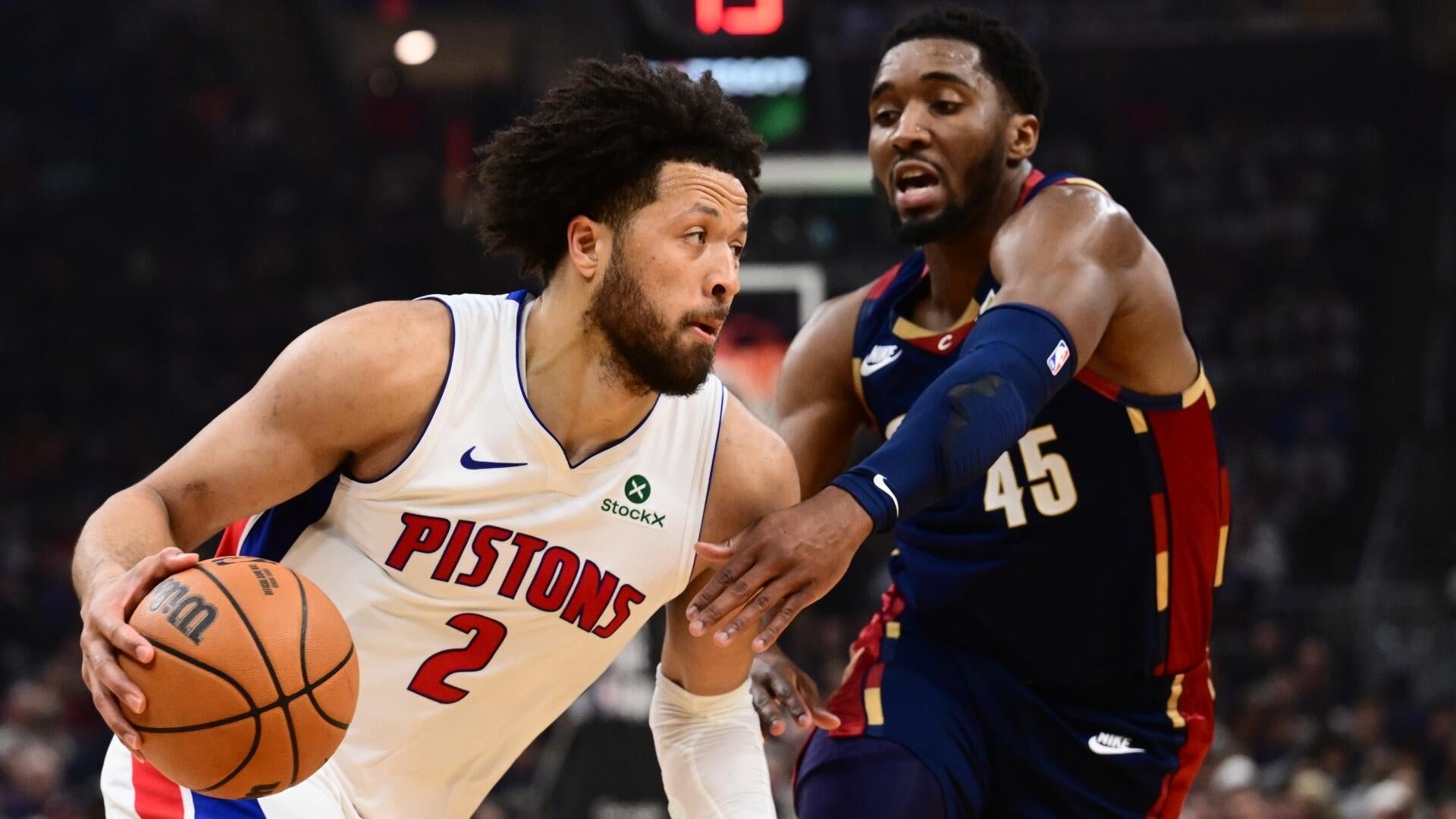
Both Conference Semifinals series heading into Night 4 on 7 May 2026 find themselves in structurally identical positions: road teams stole Game 1, and home teams now face the pressure of avoiding an 0-2 deficit before the series shifts venues.
That is not a comfortable place for anyone, but it is not a catastrophe either. The historical precedent runs against the team trailing 0-1 on the road, but the margin separating these four franchises is genuinely narrow — a handful of possessions, one cold shooting night, or a single defensive rotation breaking the wrong way.
The Cavs and Pistons: A Rivalry Refinished
Cleveland and Detroit meeting in the second round carries weight beyond this season. The Cavaliers finished the regular season with the Eastern Conference's best record, their offense churning at a top-five pace, their backcourt pairing healthy and active. Detroit, meanwhile, navigated a grueling first-round series that tested a young roster's composure in closeout situations — experience that does not show up in box scores but surfaces in the fourth quarter of tight playoff games.
The Pistons earned their Game 1 win by making adjustments the Cavs did not anticipate. That is the nature of a series: the team that solves the opponent's initial plan first usually wins the first game, and the team that adjusts to that adjustment first usually wins the series.
For Cleveland, Game 2 on the road is less about talent than about patience. The Cavs have been the more consistent team all season, but playoff basketball rewards teams that can weather hostile environments and stick to their process rather than chase the moment. If Cleveland's defense can force Detroit into more half-court sets — a pace the Pistons did not control in their first-round series — the series equity shifts back toward the visitors.
The Lakers and Thunder: Star Power Against Collective Architecture
The Western Conference matchup presents a starker contrast in team construction. Los Angeles entered the playoffs carrying the weight of expectations that accompany any franchise with championship history and a marquee player. Oklahoma City's rise has been more collective: a system built around defensive versatility, ball movement, and a bench that can hold or extend leads rather than simply survive minutes.
Game 1 in this series went to the Thunder on their home floor — the expected outcome given the travel and the energy of a sellout crowd in Oklahoma City. What was notable was how it happened: the Lakers struggled to generate quality looks in the half-court, while Oklahoma City's defensive scheme forced turnovers that fed into transition opportunities. The Thunder do not need to outscore elite offenses in a grind-it-out game; they need to speed the game up and make opponents play at their tempo.
For Los Angeles to steal Game 2 on the road, the Lakers need to find offense in the half-court that does not depend on individual creation every possession. Whether that means more involvement for role players who can make open shots, or better off-ball movement to generate advantages before Oklahoma City's help defense rotates, the structural fix is more important than any single player lifting their performance.
What an 0-2 Hole Actually Means
The conventional wisdom in playoff basketball holds that a team trailing 0-2, especially on the road, faces a roughly 10 percent chance of winning a best-of-seven series. That number is real, but it is also an aggregate that flattens the variation between series. Some teams lose 0-2 because they are simply outmatched and are correctly reverting to the mean. Others lose 0-2 because they played well enough to win both games and did not convert close-range shots or a few key defensive stops.
Distinguishing between those two scenarios matters for how teams approach Game 3. If Cleveland or Los Angeles are in the second category — unlucky rather than outclassed — then Game 2 is about process and effort, not necessarily about results. If the underlying metrics look right, the coaches will say the right things, and the team will fly home with genuine confidence despite the series deficit.
The teams that struggle in that situation are the ones who lose Game 1 and then panic in Game 2, abandoning the approach that gave them a chance. No team in this semifinal round is in that category yet, but that is the trajectory that needs to be interrupted before it sets in.
The Stakes Before the Series Tips Back East
Both games on Night 4 carry added weight because of what comes next. A 2-0 lead in a series changes the entire rhythm of a playoff run: the leading team gains scheduling flexibility, manages minutes for its core players, and can treat Games 3 and 4 as evaluation windows rather than must-wins. The trailing team, meanwhile, plays Game 3 knowing that anything less than a split in the next two games effectively ends the series.
For the Cavaliers and Lakers, the stakes are immediate and practical. A split heading into Game 3 on their home floor keeps the series open and gives their coaching staff time to make the kind of mid-series adjustments that have decided playoff rounds for decades. A 0-2 deficit heading into Game 3 means playing from behind against a team with momentum, crowd energy, and the psychological comfort of control.
The NBA playoffs rarely produce clean narratives. Night 4 will add to that complexity — and will begin to reveal which of these four teams has the collective composure to play its best basketball when the margin for error disappears entirely.
This publication will continue tracking both series as the Conference Semifinals progress. Full coverage of Games 2, including statistical breakdowns and coaching decisions, will follow after tip-off on 7 May 2026.
Wire provenance
This editorial synthesis draws on the following public wire/social posts:
- https://t.me/NBALiveOfficial/2847