Rubio Declares Iran Campaign Over as Vatican's Diplomatic Shadow Lengthens
US Secretary of State Marco Rubio declared on Tuesday that the joint US-Israel military campaign against Iran, launched on February 28, is now concluded — a pronouncement that arrives hours after he sat across from Pope Leo XIV at the Vatican, where the Pope has made no secret of his opposition to the war.
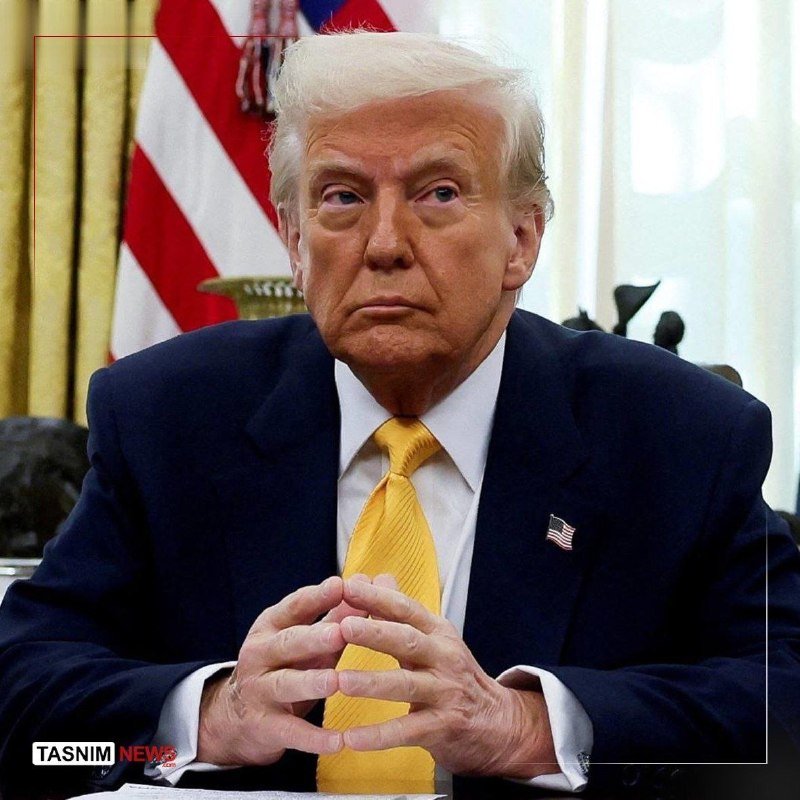
US Secretary of State Marco Rubio told a live audience on Tuesday that the joint US-Israel military campaign against Iran — launched on February 28 — is now "over." The declaration, broadcast by CGTN from Rome, arrived hours after Rubio sat across from Pope Leo XIV at the Vatican, where the pontiff has been an outspoken critic of the offensive. The timing of the two events, separated by a matter of hours, has sharpened questions about what drove the declaration and whether diplomatic pressure from the Holy See played any part in shaping it.
The campaign, which began with precision strikes on Iranian nuclear infrastructure in late February, expanded into a wider air and missile operation involving the United States, Israel, and several Arab partner states. Iranian state media, including PressTV, carried voluminous coverage of civilian casualties in the strikes and the destruction of civilian infrastructure. Western and Israeli officials have maintained that the operation was proportionate and legally justified under existing security frameworks. The declared end of active hostilities marks a significant shift, though questions about the legal status of Iranian nuclear facilities, ongoing sanctions, and the posture of Iranian proxy forces remain open.
The Vatican's Intervention
Pope Leo XIV has made his opposition to the Iran campaign a signature element of his papacy since the February 28 launch. According to reporting carried by Iranian state-adjacent outlets including FARS, the Pope's public criticism of the offensive — and his private outreach to Washington — has been a persistent source of friction between the Holy See and the Trump administration. Donald Trump himself has publicly attacked the Pope over his positions on the war, a remarkable level of direct engagement between the White House and the Vatican on a live international conflict.
Rubio's meeting with the Pope on May 7 represents the most concrete diplomatic contact between the two sides since the campaign began. The Holy See has not issued a formal statement on the substance of the talks, but the optics of the encounter — a US secretary of state sitting across from the leader of the world's largest religious community, hours before announcing the war's conclusion — are difficult to read as coincidental. The Vatican has historically positioned itself as a site of quiet shuttle diplomacy, leveraging moral authority and global reach rather than military weight. Whether that lever was pulled in this instance remains a matter of speculation; what is not in doubt is that the meeting happened, and that it happened now.
What the Campaign's End Actually Means
The word "over" requires careful handling. Rubio's declaration, as captured in the CGTN broadcast, marks the end of what officials are describing as the active strike phase of the operation. This does not automatically equate to a formal peace agreement, a withdrawal of forces, a suspension of sanctions, or a resolution of the nuclear file — the stated original justification for the campaign. Iranian state media has carried reporting on the human cost of the strikes; Western officials have pointed to delays imposed on Tehran's nuclear programme. Whether those delays are sufficient to justify the political and human capital expended is a question the sources do not yet resolve.
Several structural realities persist regardless of the "over" declaration. US forces remain positioned in the Gulf. Sanctions on Iranian oil, finance, and shipping have not been lifted. Iranian proxy groups in Iraq, Syria, Lebanon, and Yemen have not ceased operations, and their alignment with Iranian state policy remains intact. The legal framework under which the February 28 strikes were authorized — whether under UN Charter Chapter VII, unilateral self-defense claims, or bilateral agreements with Israel — has not been publicly articulated in detail. The transition from active strike operations to whatever policy framework succeeds it has not been described.
The Diplomatic Architecture That Follows
The Vatican meeting, win or lose on the diplomatic scoreboard, reflects the kind of post-conflict architecture that typically follows the end of hot phases in international disputes. Within hours of Rubios's declaration, the US was already managing the narrative: the campaign succeeded in delaying Iran's nuclear progress; Iran is now diplomatically isolated; the door to further negotiation runs through the Vatican. Iranian state media, meanwhile, has framed the campaign's end as a consequence of international pressure — with the Pope's opposition repeatedly cited as evidence that the coalition the US sought to build never fully materialized.
The gap between these two framings is not small. It defines the terrain on which any subsequent negotiation — over sanctions relief, over nuclear oversight, over the status of Iran's regional partners — will be contested. Both sides will arrive at those talks with established narratives: the US and Israel with a declared military success, Iran with a narrative of resistance amplified by the Vatican's own public objections. The diplomatic value of Rubios's Vatican visit lies not just in what was discussed in the room, but in the optics of the room itself — a signal to the broader international system that the United States is, for now, engaged in multilateral diplomacy rather than unilateral coercion.
Stakes and What Remains Uncertain
The stakes of this transition are substantial and unevenly distributed. For the Trump administration, a successful declared end to the campaign — one that does not require a formal negotiated settlement — allows the political framing of victory without the diplomatic entanglement of a peace process. For Pope Leo XIV, the Vatican's willingness to engage Rubio hours before the declaration positions the Holy See as a credible interlocutor in whatever follows, a status the Pope has clearly sought since the campaign began. For Iran, the declared end of the strike phase provides space to regroup militarily and diplomatically, though the sanctions architecture remains crushing and the nuclear programme's status is unresolved.
What the sources do not yet clarify is the formal status of the operation's legal authorization, whether ongoing intelligence or covert operations continue alongside the declared end, and precisely what — if anything — the US has promised the Vatican in exchange for the engagement. The Pope's public opposition to the war may have been genuine diplomatic conviction, strategic positioning for a post-conflict role, or both. The answer to that question will shape how the Vatican's next intervention is read — whether as moral authority in action or as calculated soft power. The sources offer material for the first of those readings; the others remain speculative.
The declared end of the Iran campaign marks a phase transition, not a conclusion. The policy terrain ahead is dense with unresolved questions: sanctions, nuclear oversight, proxy posture, legal accountability for strikes on civilian infrastructure. What is clear is that the Vatican is now a named actor in that terrain — and that Rubios's visit on Tuesday was designed, at least in part, to ensure that it stays that way.
Wire provenance
This editorial synthesis draws on the following public wire/social posts:
- https://t.me/presstv/2052359431728332803
- https://t.me/farsna/2052359431728332803
- https://t.me/FarsNewsInt/2052359431728332803