The Silence After the Ceasefire: Gaza's Death Toll Keeps Rising
Nearly 73,000 people have been killed in Gaza since October 2023, according to figures released by the enclave's Ministry of Health on 7 May 2026. With 846 more dead since the October ceasefire, the gap between diplomatic language and on-the-ground reality has never been wider.
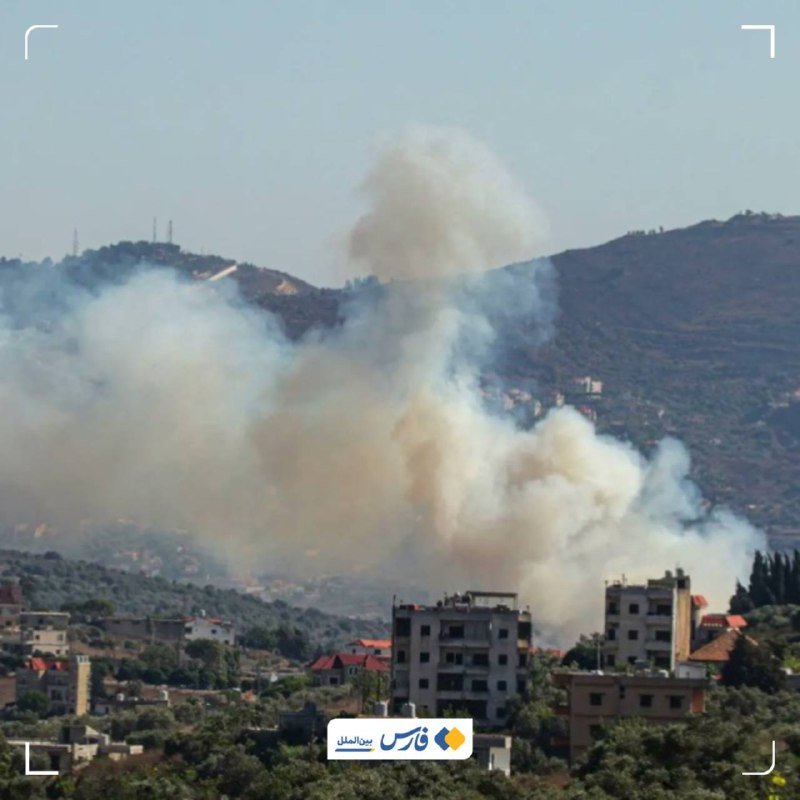
Nine more people were killed and 39 others wounded in the Gaza Strip over the past 24 hours, according to figures released Wednesday by the Gaza Ministry of Health, continuing a death toll that has accumulated for more than two and a half years. The figures, published across Gaza-based health channels and wire services, brought the cumulative count since the start of the conflict on 7 October 2023 to at least 72,628 martyrs and 172,520 wounded.
That number — 72,628 — represents a floor, not a final count. It is a figure that has grown by hundreds every week, across phases of intense bombardment, ground offensives, and periods of fragile, repeatedly violated truce arrangements. The Gaza Ministry of Health has maintained its tally throughout, operating under conditions of severe infrastructure collapse and limited access for independent verification missions.
The ceasefire negotiated with heavy American, Qatari, and Egyptian diplomatic investment has not stopped the killing. Since the agreement brokered last October, at least 846 additional people have been killed and 2,418 wounded by Israeli fire, the Ministry reported, while the bodies of 769 individuals have been recovered. Israeli operations continue, including in northern Gaza, where ground offensives have persisted even as talks on extending the truce have stalled.
What the Numbers Cannot Convey
The scale of the death toll — 72,628 — is difficult to absorb. Reporting on casualty figures in conflicts of this intensity tends to render them abstract through repetition and formatting: a running total, a number at the top of a briefing note, a data point in a periodic UN update. The structural problem with this mode of reporting is that it separates the figure from the decisions and conditions that produced it. Each increment in the toll reflects specific choices — to strike or not to strike, to accept or reject a proposal, to prioritise one strategic objective over the protection of civilians in a defined area.
What the data can show is the rate at which the toll grows. Nine dead in a single 24-hour period is not a large number in the context of what Gaza has endured. It is small enough to barely register in the running total. But nine dead is nine people. In a territory where medical infrastructure has been degraded to the point of collapse across multiple hospitals, even survivable injuries can be fatal. Many deaths go unrecorded because survivors are unable to reach or report through the overwhelmed documentation system.
The Gap Between Ceasefire and Peace
The October ceasefire was not a durable peace. It was a temporary cessation of a specific phase of bombardment, negotiated amid international pressure, hostage releases, and the explicit understanding on all sides that it was incomplete. The gaps in its coverage — areas where ground operations continued, categories of fire not covered by the agreement's terms, disputed interpretations of what constituted a ceasefire violation — were apparent from the first week. The 846 dead recorded since October 11 is evidence of those gaps.
The bodies of 769 individuals recovered since the ceasefire raises a separate set of questions about what happens to those who die during periods of relative quiet. Some died in incidents that are disputed. Some were found under rubble from earlier strikes that had not yet been cleared. Some succumbed to wounds that could not be treated because the surgical capacity to save them no longer exists. The 769 figure does not include those whose bodies have not yet been found.
The Verification Problem
The Gaza Ministry of Health is the primary aggregator of casualty data inside the Strip. Its figures have been cited by UN agencies, international NGOs, and wire services throughout the conflict. They are the best available source in a context where independent international investigators have not been able to operate freely. This does not mean the figures are complete. The conditions for documentation — functioning hospitals, trained records staff, consistent communications — have not been met for large stretches of the conflict. The toll is understood to undercount the dead.
Israeli military briefings have on multiple occasions disputed specific figures released by the Gaza health authorities, without proposing alternative numbers that would allow independent assessment of the discrepancy. The structural asymmetry in this information environment — one side produces a running tally, the other side questions it without publishing a counter-tally — makes precise accounting impossible. What can be said is that the order of magnitude is not in dispute. The death toll is extraordinary by any standard of armed conflict.
What Comes Next
The ceasefire continues to fracture. Israeli operations in northern Gaza and other areas have not stopped, and negotiations over extending the truce and releasing remaining hostages have been deadlocked for weeks. The diplomatic corridor — running through Washington, Doha, and Cairo — is still open in principle, but there is no agreement on the terms that would make it hold.
If the pattern of the past six months continues, the death toll will continue to rise. The 72,628 figure will become 73,000, then 74,000. The structural question is whether any political process currently in existence has the leverage to stop it. The human cost is concentrated on the population of Gaza. The regional implications are growing. The international system — UN bodies, relief agencies, diplomatic channels — is under sustained pressure with limited capacity to change outcomes on the ground.
The numbers in this article are not the full story. They are what can be counted. Beyond them, the unrecoverable dead continue to be unrecoverable, and the silence that follows the ceasefire is, for too many families, the only thing that has changed.
Wire provenance
This editorial synthesis draws on the following public wire/social posts:
- https://t.me/alalamarabic/78432
- https://t.me/alalamarabic/78433
- https://t.me/alalamarabic/78434
- https://t.me/TheCradleMedia/28471
- https://t.me/TheCradleMedia/28472
- https://t.me/gazaalanpa/11403