The Spectacle of Denial: Parsing Official Statements on the Iran Explosions
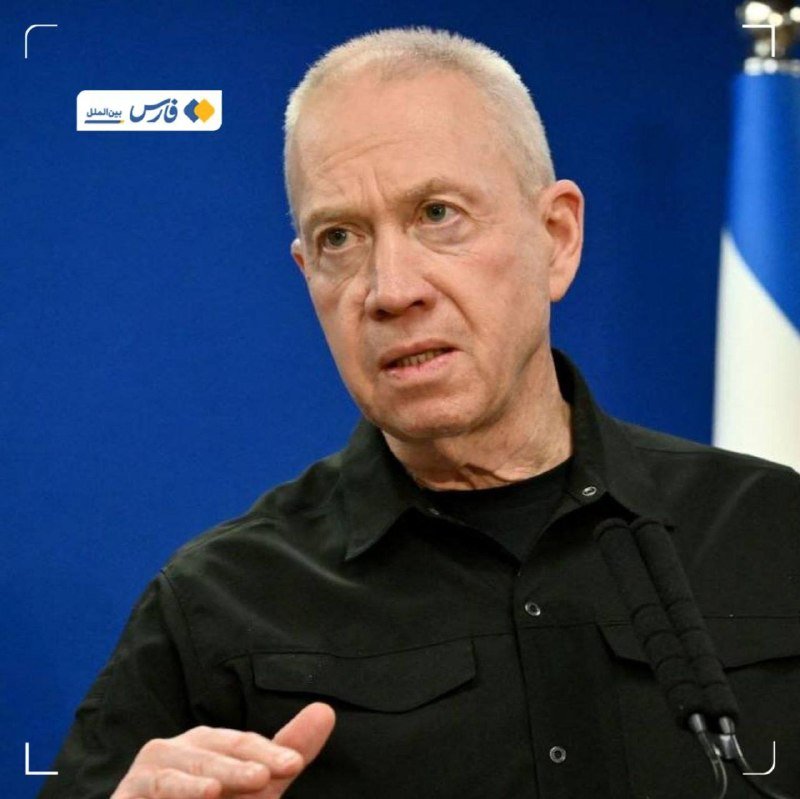
When explosions were reported inside Iran on the evening of 7 May 2026, Israeli officials moved quickly to get ahead of the story. Within hours, unnamed Israeli sources had told i24NEWS that Tel Aviv had no connection to the events. The denials circulated widely in Western wire copy and regional Telegram channels. What followed was a familiar编排 of attribution — speculation about other actors, notably the United Arab Emirates, filling the vacuum where confirmation should have been. No authoritative account of responsibility has yet emerged.
This is how official communications work in situations of geopolitical tension: speed, specificity in denial, ambiguity in confirmation. The pattern is not unique to Israel, but Tuesday's episode demonstrated it with unusual clarity.
Denial as Strategic Communication
The Israeli statement carried the structural hallmarks of a managed disclosure. Officials did not simply say "we have no information." They volunteered a denial — a more active, more visible act. The phrasing "played no role" and "Tel Aviv had no role" are stronger constructions than "we are not aware of any Israeli involvement." The distinction matters: one posture invites scrutiny; the other forecloses it. Coverage routinely defers to the language of official spokespeople, treating a clear denial as a substantive contribution to the public record rather than what it more often is — a communication designed to shape interpretation before facts are established.
The Telegram channels carrying these denials — FotrosResistancee, Tasnim News English, JahanTasnim — are themselves positioned actors. Tasnim is an Iranian state-affiliated outlet; its coverage of Israeli denial carries a specific valence. But the information architecture of Tuesday's story was shaped not only by Iranian framing but by the speed with which Western and regional wires adopted the Israeli denial as their lead. Attribution questions became subordinate to containment of the attribution question.
The Speculation Gap
Within hours of the explosions being reported, a secondary narrative had taken shape: perhaps the UAE was responsible. The speculation appeared without attribution in several Telegram posts, treated as a live hypothesis rather than a sourced claim. The UAE has been engaged in a long-running territorial dispute with Iran over islands in the Persian Gulf, and regional observers with knowledge of those tensions flagged the possibility as non-trivial. But it remained exactly that — a possibility, not a confirmed theory, not a sourced allegation.
What the episode reveals is the media's structural dependence on official attribution during breaking events. When a denial arrives quickly, it gets amplified. When a speculation arrives quickly, it gets circulated. Neither is the same as confirmed reporting, but the news cycle does not wait for confirmation. The reader is left navigating a field of competing framings — Israeli denial, UAE speculation, Iranian silence — without a clear basis for adjudication.
The Information Vacuum and Its Uses
Information vacuums in crises are not passive absences. They are actively filled, sometimes by denial, sometimes by speculation, sometimes by the structured silence of parties who benefit from ambiguity. In this case, the Israeli denial arrived fast enough to establish an official position before any independent confirmation was possible. That position — "not us" — then became the frame through which subsequent reporting was filtered. Media organizations that led with the denial gave it a legitimacy it had not earned through verification.
The UAE speculation filled a different function: it provided an alternative candidate, one with an existing regional grievance and a plausible motive. Whether the speculation was grounded in evidence or circulated as a convenient displacement of attention cannot be determined from the public record at time of publication. What is clear is that the question of who was responsible remained open, and that open questions in volatile regions rarely stay open for long before being answered by the next official statement.
What Remains Unresolved
The sources reviewed for this article do not establish the origin of the explosions. Israeli officials denied involvement via unnamed sources to i24NEWS and Israeli domestic media. Iranian state-linked outlets published the denial without independent corroboration. Speculation about UAE involvement appeared across Telegram channels but without sourcing to any named official or intelligence assessment. No Western government, independent monitoring group, or credible regional actor has publicly attributed the events.
The denials themselves are factual claims — officials asserting a negative — but the evidentiary standard for a denial is different from the standard for a positive allegation. Proving one did not act requires either access to the relevant decision-making apparatus or a process of elimination that the available evidence does not support. The denials are on the record. What they are not is confirmed.
The broader pattern is not specific to this incident. When diplomatic tensions are high and military activity is ongoing, official communications function as instruments of narrative control as much as conduits of factual information. A denial gets reported; the underlying question — what actually happened — persists in the gap between what officials say and what the evidence shows. Readers navigating that gap should treat the speed of a denial as a signal of communication strategy, not evidentiary weight.
The story of Tuesday's explosions is not yet written. What is written is the first draft: Israeli denial, UAE speculation, Iranian publication of the denial. The authoritative account, if one emerges, will come later — and it may not resemble the initial framing at all.
Wire provenance
This editorial synthesis draws on the following public wire/social posts:
- https://t.me/FotrosResistancee
- https://t.me/tasnimnews_en
- https://t.me/JahanTasnim