Tehran's Hormuz Gambit: Iran Demands U.S. Naval Withdrawal Before Any Diplomatic Opening
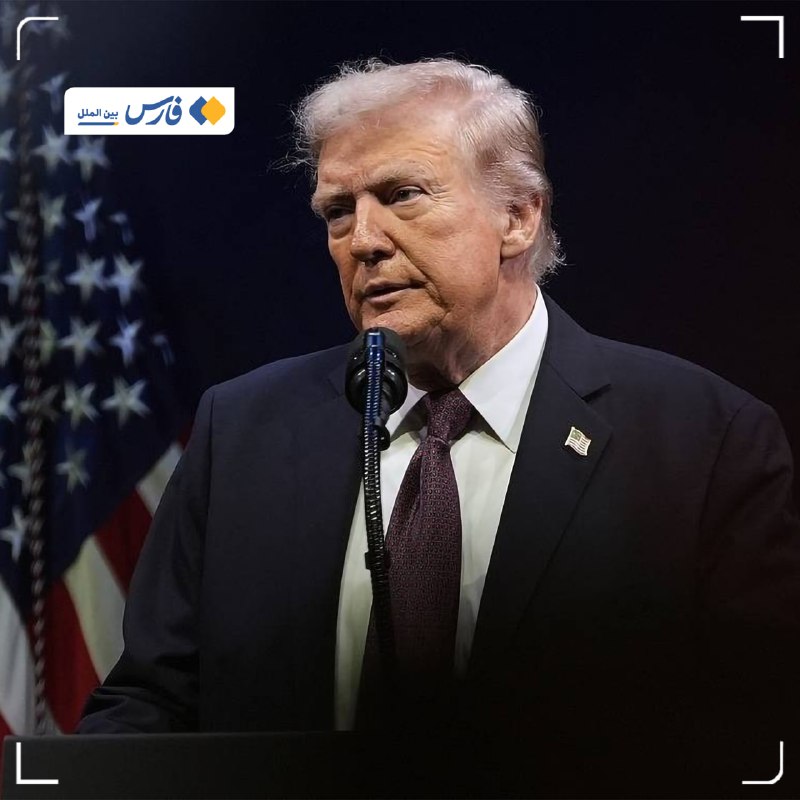
On 7 May 2026, Iranian President Masoud Pezeshkian disclosed a meeting with Supreme Leader Ayatollah Seyyed Mojtaba Khamenei lasting approximately two hours. The content of that conversation, as Pezeshkian described it, amounts to the most concrete articulation of Iran's diplomatic preconditions since the collapse of the 2015 nuclear deal. Any talks on reopening the Strait of Hormuz, the world's most critical chokepoint for oil shipments, require the U.S. naval blockade to be lifted first. The statement is a negotiating position dressed as a non-negotiable. Whether Washington treats it as the opening gambit of a genuine diplomatic cycle or as Iranian theatre will determine whether the Gulf enters its next phase of instability.
The significance of the Khamenei-Pezeshkian meeting is not merely the duration—though the two hours reported signals intentional depth of discussion. It is the public framing that matters. Iranian state-linked outlet Tasnim, in its English-language account of the meeting, described the atmosphere as one of "trust and direct dialogue." That language is not incidental. In a system where the distance between the presidency and the supreme leader's office is a permanent feature of political architecture, a meeting characterised by mutual confidence suggests alignment, not the friction that has marked previous administrations. This publication reads that alignment as deliberate: Iran is presenting a unified front precisely because it expects to be tested.
The Hormuz Demand: Leverage, Not Ultimatum
The Strait of Hormuz connects the Persian Gulf to the Gulf of Oman and carries approximately 20-25% of the world's oil trade, according to U.S. Energy Information Administration data that remains the standard reference point for energy-security analysts. It is also the primary export route for Saudi Arabia, the UAE, Kuwait, Iraq, and Iran itself. That mutual dependency is precisely why Iran has historically used Hormuz-adjacent rhetoric as a pressure valve rather than a trigger. The demand articulated by Pezeshkian—that U.S. naval presence be reduced before any Hormuz-related talks can proceed—converts the strait's strategic geography into a precondition for negotiation rather than a weapon of last resort.
The U.S. Navy's Fifth Fleet, headquartered in Bahrain, maintains a persistent presence throughout the Gulf. American officials have described this posture as defensive and as a guarantee of freedom of navigation. Tehran describes it as a blockade in all but name. Both characterisations are accurate depending on whose legal framework you apply. What is not in dispute is that the naval presence is the structural precondition for every other dimension of U.S.-Iran friction: sanctions enforcement, nuclear monitoring, proxy-activity deterrence. Remove the fleet, and the architecture of maximum-pressure changes fundamentally.
The counter-reading is straightforward and worth stating plainly: Iran may have no intention of actually negotiating on Hormuz. The demand functions as a conversation-ender dressed as a conversation-opener, designed to put the United States in the position of either accepting preconditions set by Tehran or admitting that the diplomatic track was never serious. This publication does not dismiss that reading. It notes, however, that Iranian diplomacy has historically used maximum demands as starting positions in a process that ends somewhere short of the opening bid. The Obama-era nuclear negotiations proceeded on the basis of mutual, phased concessions. The current moment differs in every particular—different U.S. administration, different Iranian economic circumstances, different regional constellation—but the negotiating dynamic of escalating offers and graduated concessions is not novel.
The Naval Blockade Question: What Actually Constitutes a Blockade
The term "blockade" carries specific legal weight under international law. The United Nations Convention on the Law of the Sea (UNCLOS), to which the United States is not a formal signatory but whose provisions it largely observes, defines a blockade as a belligerent's wartime measure to prevent vessels of all nations from reaching enemy ports. Iran's characterisation of U.S. naval operations in the Gulf as a blockade is a legal and rhetorical stretch—but it is not a random one. By invoking blockade language, Tehran anchors its response in international-law frameworks that many of its diplomatic counterparts—European states, China, India—have their own reasons to find sympathetic. Those countries have significant economic interests in Gulf shipping lanes and in the preservation of a legal order that limits the unilateral naval enforcement of sanctions.
The Trump administration reimposed sweeping sanctions on Iran's oil sector in April 2025, with an executive order threatening secondary sanctions on any financial institution or entity facilitating transactions with Iran's energy exports. U.S. naval operations in the Gulf serve, in practice, as an enforcement mechanism for those sanctions: not through formal interdiction, but through the ambient pressure of a dominant naval presence that shapes insurance markets, shipping routes, and bank clearance decisions. Tehran's legal framing—that this constitutes an unlawful blockade—is calibrated for an audience that extends well beyond Washington. It is calibrated for the Global South, for European capitals whose banks face exposure, and for the broader diplomatic environment in which a narrative of U.S. overreach has market.
The Internal Dimension: Why This Meeting Now
The Khamenei-Pezeshkian meeting arrives at a moment of identifiable internal pressure within Iran's political system. The sanctions reimposed under the current U.S. administration have compressed oil export revenues beyond the levels Iran experienced during the first Trump term. Iranian GDP data, as reported through regional economic monitors, shows cumulative contraction in non-oil sectors. The rial has depreciated. Consumer goods inflation remains in double digits by most independent estimates. None of this constitutes evidence of regime crisis—Iran has managed sanctions pressure before, and the political infrastructure of resistance-economy doctrine is deeply institutionalised—but it does create an environment in which even cautious diplomatic opening carries internal political risk.
The meeting between Khamenei and Pezeshkian addresses that risk directly. By conducting the discussion in an atmosphere described as "trust and direct dialogue," the Iranian state messaging apparatus signals to domestic audiences that the president operates within the supreme leader's framework, not parallel to it. There is no public dissent, no competing narrative from the Islamic Revolutionary Guard Corps or the parliament's hardline faction. That silence is itself a signal. Iran is managing its internal political economy as carefully as its external diplomatic posture. The Hormuz demand is not only a message to Washington; it is a statement to Iranian constituencies that Tehran will not negotiate from a posture of weakness.
The Diplomatic Window: Narrow and Uncertain
The structural question is whether any party in this exchange actually wants a deal. On the U.S. side, the current administration's stated position combines maximum-pressure rhetoric with selective diplomatic openings—signals that European intermediaries have struggled to reconcile. On the Iranian side, the supreme leader's endorsement of Pezeshkian's negotiating posture suggests genuine appetite for a managed process, but the preconditions on Hormuz are calibrated to be difficult to accept. The gap between the two positions—U.S. demand for nuclear concessions in exchange for sanctions relief, versus Iran's demand for naval withdrawal as a precondition for any Hormuz discussion—represents a negotiating space that has historically required third-party facilitation,耐心, and a shared interest in avoiding the alternative.
What the sources do not specify is whether the Khamenei-Pezeshkian meeting produced any specific sequencing proposal, or whether the Hormuz framing represents Iran's complete opening position or an opening bid in a longer process. This publication will continue to monitor disclosures from Iranian state-linked outlets as they become available. The Hormuz question is not new. What is new is the specificity of the linkage—naval withdrawal as a precondition, not an outcome—and the institutional cohesion with which it has been presented. That cohesion narrows the range of outcomes, but it does not, by itself, resolve the fundamental question of whether either side is prepared for the compromises a genuine diplomatic settlement would require.
Monexus covered this story through the lens of Iranian diplomatic architecture and structural leverage. The Western wire framing centred on the Hormuz threat as a destabilising factor; this piece treats it as a negotiating instrument whose significance lies in what it reveals about Tehran's internal coherence and its willingness to engage on terms Washington has historically refused to discuss.
Wire provenance
This editorial synthesis draws on the following public wire/social posts:
- https://t.me/wfwitness/0
- https://t.me/osintlive/0
- https://t.me/osintlive/1
- https://t.me/Middle_East_Spectator/0
- https://t.me/tasnimnews_en/0