Trump and Lula Meet at the White House: What the May 7, 2026 Talks Reveal About the US-Brazil Relationship
President Lula's visit to Washington on May 7, 2026, placed two leaders with divergent worldviews in the same room. The substance of what they agreed—and what they did not—tells a larger story about the limits of transactional diplomacy in a shifting hemisphere.
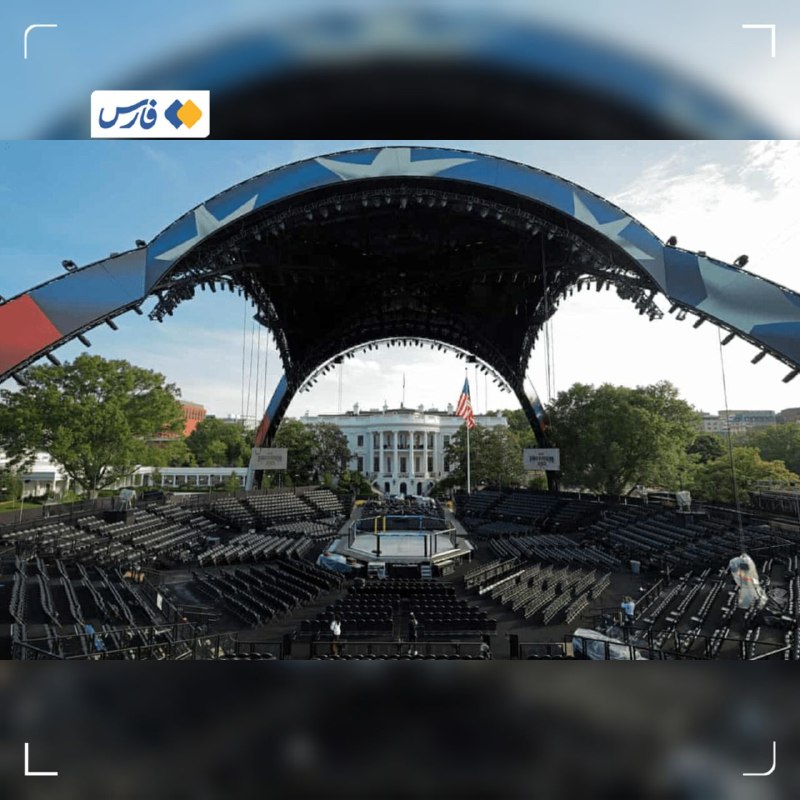
On May 7, 2026, Brazilian President Luiz Inácio Lula da Silva arrived at the White House for a meeting with President Donald Trump. The encounter, confirmed by a Reuters broadcast and reported across wire services, placed two leaders with markedly different worldviews in the same room at a moment of acute friction over trade, security, and regional influence. Polymarket betting markets in the hours preceding the meeting indicated that tariffs and organized crime were the topics most anticipated to dominate the conversation. The optics were significant. The substance, as the public record currently stands, remains partial.
The meeting took place in Washington against a backdrop of escalating trade tensions that have tested the bilateral relationship throughout Trump's second term. The United States has imposed tariff measures that the Brazilian government has publicly characterised as harmful to its export economy. Lula's administration, drawing on a tradition of assertive economic nationalism that predates his current term, has sought to push back without fully rupturing engagement with Washington. The White House, for its part, has signalled that reciprocal trade arrangements are a priority and that partners who do not align with its tariff framework should expect consequences. These two positions were always likely to collide in any substantive conversation between the leaders.
The Tariff Dispute: A Structural Tension Without Easy Resolution
The tariff issue sits at the centre of the bilateral friction, but it is not merely a commercial matter. The dispute reflects deeper questions about how smaller economies navigate a system in which the United States retains substantial leverage over trade outcomes. Brazil has sought to diversify its commercial relationships in recent years, deepening ties with China, which has become its largest single trading partner, while simultaneously maintaining longstanding economic links with the United States and Europe. This hedging strategy gives Brasília some room to absorb pressure from Washington, but it does not eliminate the vulnerability that comes with dependence on US financial infrastructure and market access.
What Lula's government has argued publicly is that unilateral tariff impositions damage the multilateral trading system and disproportionately affect developing economies that lack the leverage to retaliate symmetrically. Brazilian trade officials have called for dialogue and negotiation rather than escalation, positioning Brazil as a defender of rules-based trade principles even as its own policy choices sometimes diverge from Washington preferences. Whether that argument found receptive ears in the Oval Office on May 7 remains unclear from the sources reviewed.
The Trump administration's framing has been different. Officials have characterised tariff measures as necessary corrections to what they describe as unfair trade practices, and have applied pressure on a range of partners—including long-standing allies—to accept revised trading terms. Brazil, which maintains a substantial trade surplus with the United States in certain sectors, has not been exempt from that pressure. The question heading into the meeting was whether Lula could extract any meaningful concession or whether the conversation would confirm that Brazil faces a binary choice between accepting US terms or facing sustained economic friction.
The sources do not specify what agreements, if any, were reached on trade. Polymarket, which had flagged tariffs as the leading anticipated topic of discussion, provides no further detail on outcomes. What can be said is that the issue was on the agenda and that no public statement from either side, as reported in the sources reviewed, announced a resolution.
Organized Crime and the Security Dimension
The second major topic flagged in the lead-up to the meeting was organized crime. Brazil faces significant internal security challenges. Transnational criminal networks operating across South America—involved in narcotics trafficking, arms smuggling, and related activities—have long drawn the attention of US law enforcement and intelligence agencies. The fentanyl crisis in the United States has sharpened Washington's focus on international drug trafficking networks, and US officials have pressed Latin American partners to increase cooperation on enforcement and information-sharing.
Brazil's geographic position and its extensive borders with major drug-producing and transit countries make it relevant to any US strategy on narcotics trafficking in the hemisphere. Successive Brazilian governments have grappled with the domestic dimensions of organized crime, which has imposed substantial human and economic costs within Brazil itself. The incentive for cooperation, from the US side, is clear. From the Brazilian side, there is likely appetite for deeper security partnership, including access to intelligence and financial tracking tools that US agencies possess.
What the sources do not establish is whether any concrete security agreements were discussed or announced during the May 7 meeting. Organized crime appears in the Polymarket pre-meeting briefing as an anticipated topic, but the Reuters broadcast and Telegram reporting on the meeting itself do not elaborate on what was agreed. The structural logic of US-Brazil security cooperation is evident. The specifics of what was negotiated remain outside the public record as captured by these sources.
Latin America and the Competition for Influence
Behind the bilateral agenda sits a broader question that neither side can afford to ignore: the shape of influence across Latin America. The United States has long considered the hemisphere part of its natural sphere of influence, but that assumption has faced sustained pressure over the past decade as China has expanded its commercial and diplomatic footprint across the region. Brazil, as the largest country in South America and a member of the BRICS grouping, occupies a pivotal position in any contest over regional leadership.
Lula's foreign policy orientation has been explicitly multipolar. His government has sought to cultivate relationships with China, Russia, and other non-Western powers while maintaining engagement with Washington and Brussels. This approach reflects both ideological conviction and strategic calculation: Brazil gains leverage by not depending exclusively on any single partner, and that leverage is worth more as global supply chains and financial architecture become arenas of geopolitical competition.
The Trump administration's approach to Latin America has been more transactional and more overtly coercive than its predecessors in certain respects. Tariff pressure, threats of secondary sanctions on entities doing business with adversaries, and a general insistence on alignment as the price of goodwill have strained relationships across the region. Several Latin American governments have responded by deepening ties with China, which has offered investment, trade, and diplomatic support without demanding ideological conformity.
Brazil sits in the middle of this dynamic. It cannot afford to fully break with Washington—US markets, financial systems, and technology remain critical to its economy—but it also cannot afford to be seen as a passive recipient of US demands, given the domestic political costs of appearing to surrender sovereignty. Lula's strategy has been to engage without accepting subordination, to sit at the table without conceding the substance of what Washington wants. The meeting on May 7 was the latest iteration of that approach.
Whether it produced any shift in the underlying dynamic remains to be seen. The sources reviewed do not indicate a breakthrough, but the fact of the meeting itself—the willingness of both sides to engage directly—suggests that neither has given up on the relationship entirely.
The Forward View: What Comes After the Handshake
The immediate aftermath of the meeting offers few clear signals. The public record, as captured by the sources reviewed, establishes that the meeting occurred, that tariffs and organized crime were on the agenda, and that the two leaders had a direct conversation. What it does not establish is whether any agreements were reached, whether any concessions were offered or requested, or whether the meeting moved the needle on the substantive disputes that divide the two governments.
What is clear is that the structural pressures driving the relationship are not going away. US tariff policy, Chinese commercial expansion, and Brazil's own ambitions as a regional power will continue to create friction even as both governments seek to manage that friction short of open rupture. The meeting on May 7 was a moment of contact. Whether it was also a moment of progress depends on developments that the public record has not yet captured.
For Latin America more broadly, the meeting carries a signal: the United States and Brazil, whatever their differences, continue to treat each other as essential partners in managing hemispheric affairs. That fact alone shapes the strategic environment for every other government in the region, whether they welcome it or not.
The sources reviewed for this article include a Reuters broadcast confirming the meeting and a Polymarket post identifying tariffs and organized crime as the anticipated topics of discussion. Telegram reports from BellumActa News and ClashReport provided additional context on the meeting's timing and the visual record of the encounter. The article draws on those inputs and on established public knowledge about the US-Brazil trade relationship and Brazil's foreign policy orientation to frame the analysis.
Desk note: Reuters and wire services framed the meeting as a diplomatic encounter between two major economies, with emphasis on the bilateral agenda items. Telegram channels focused on the visual and real-time political dimensions of the visit. Polymarket provided a market-based read on what topics would dominate. Monexus has sought to move beyond the logistics and optics to situate the meeting within the structural dynamics that shape the US-Brazil relationship and its implications for hemispheric geopolitics.
Wire provenance
This editorial synthesis draws on the following public wire/social posts:
- https://x.com/BellyPoliMarket/status/1920182948617318400
- https://t.me/BellumActaNews/3842
- https://t.me/ClashReport/18941