Oil Below $100: Markets React to US-Iran Ceasefire Framework
Brent crude dropped below $100 a barrel on 6 May as reports surfaced of a potential US–Iran memorandum of understanding that would freeze the conflict and open nuclear negotiations — a move markets read as a signal the worst of the energy supply shock may be behind them.
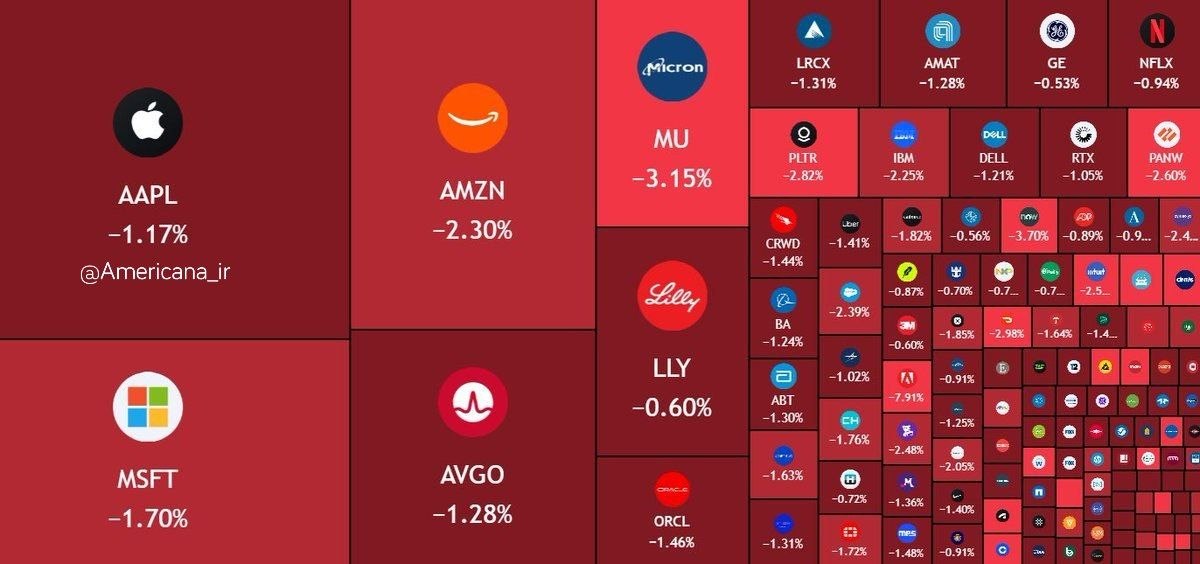
Global oil markets found relief on 6 May 2026 as reports emerged that the United States and Iran were close to a preliminary agreement that would freeze hostilities and establish a framework for more detailed nuclear negotiations. Brent crude fell below $100 a barrel — down from over $108 earlier in the session — while major stock indices climbed as investors interpreted the development as a signal that the worst of the energy supply shock triggered by the US–Israeli military campaign against Iran may be easing. The dollar fell against most major currencies as the news broke, reflecting a broader recalibration of geopolitical risk in global currency markets.
Axios reported on 6 May that the two sides were closing in on a "one-page memorandum of understanding" that would end the current phase of the conflict and set the stage for more substantive talks on Iran's nuclear programme. The report, attributed to sources familiar with the negotiations, described the framework as an interim arrangement — not a final deal — but significant enough that markets treated it as a credible signal of de-escalation.
Markets Price in a Ceasefire
The reaction in physical and futures markets was swift. Brent, which had traded in the $105–$112 range since the conflict escalated in late April, dropped more than eight dollars in the span of a trading session — a move that would have been unthinkable a week earlier when ceasefire talks were still considered distant. The Star Kenya reported that sentiment shifted dramatically as reports of the potential memorandum circulated through trading floors and energy desks. The immediate trigger was the ceasefire prospect; the underlying driver was the persistent anxiety over supply disruption that has kept a geopolitical risk premium embedded in oil prices for weeks.
The market response suggests traders had been pricing in a prolonged supply disruption scenario — not just the immediate effects of the conflict, but the downstream risk of Iranian retaliation targeting Gulf shipping lanes, Saudi infrastructure, and Iraqi export pipelines. A framework agreement, even a partial one, removes at least part of that tail risk from the pricing model. European energy markets, which had been preparing contingency plans for Brent sustained above $110, responded with similar relief, with natural gas futures tracking lower in sympathy.
Not all analysts are convinced the price move is durable. "The fundamentals haven't changed," one London-based energy trader told market wire services on the sidelines of the reaction. "This is a ceasefire signal, not a supply restoration. Iran is still sanctioned. The structural constraints haven't gone away." That skepticism reflects a broader tension in how markets are currently interpreting the deal: they are pricing success, but the verification, implementation, and durability of any memorandum remain deeply uncertain.
The Memorandum's Content and Its Limits
The Axios report described the proposed document as a "one-page memorandum of understanding" — deliberately limited in scope so as not to require parliamentary ratification in either Washington or Tehran. The goal, according to sources familiar with the talks, was to secure a ceasefire first and negotiate the details later. That sequencing reflects the urgency both sides face: the United States is under domestic and allied pressure to demonstrate a pathway toward de-escalation, while Iran's economy — already battered by renewed sanctions — is showing strain under sustained pressure.
The framework reportedly includes a commitment from Iran to halt enrichment activity above a specified level in exchange for partial sanctions relief — specifically the suspension of secondary sanctions targeting third-party energy transactions involving Iranian crude. That partial relief, if implemented, would be significant: it would allow some buyers — particularly in Asia — to resume purchases without triggering US Treasury penalties. China's strategic petroleum reserves, which have been drawn down over the past two years of elevated prices, would be among the most likely beneficiaries of restored Iranian supply.
What the memorandum does not include is a full nuclear deal. The framework would be a pause, not a resolution. Iran's nuclear programme — which Western intelligence agencies assess has advanced significantly over the past 18 months — would remain largely intact. The verification mechanisms that would normally accompany a comprehensive agreement are not part of the current framework, which has already drawn criticism from hawkish analysts in Washington who argue the arrangement rewards Iranian behaviour without securing irreversible concessions. The sources do not specify what enforcement or verification mechanisms, if any, the memorandum contains.
Structural Context: Dollar Politics and Energy Architecture
The market reaction to the ceasefire framework sits within a larger structural shift in how global energy markets respond to Middle Eastern conflict. For decades, a US–Iran de-escalation signal would have been sufficient to move markets decisively in one direction. The dollar's fall on 6 May indicates that investors still treat such signals as significant — but the magnitude of the Brent drop, and the speed of the recovery, also reflects a market that has grown more accustomed to geopolitical disruption and more capable of distinguishing between temporary shocks and structural supply losses.
The underlying architecture of oil trade is also under pressure from longer-term trends. Dollar-denominated oil contracts remain dominant, but the share of global oil trade settled in dollars has declined gradually over the past decade as Chinese and Gulf-state actors develop alternative settlement mechanisms. Whether a US–Iran ceasefire accelerates or retards that trend depends on whether it restores confidence in dollar-denominated stability or simply delays the structural conversation.
The dollar fell against most major currencies on 6 May as investors reacted positively to signs the US–Israeli war on Iran could move towards a resolution. That move is significant: it reflects a simultaneous unwinding of geopolitical risk and a recalibration of what the Fed's interest rate path looks like in a lower-conflict scenario. If energy prices remain contained and inflation pressures ease, the dollar's strength over the past 18 months — built partly on safe-haven flows driven by Middle Eastern uncertainty — could be tested.
Stakes and Forward View
The immediate stakes are financial: if the framework holds and a ceasefire is formally declared, Brent is likely to settle in the $85–$95 range for the remainder of the year, removing the energy component from the inflation calculation that has constrained central banks in the US, Europe, and the UK. Consumer purchasing power recovers somewhat. The political benefit to the Trump administration — which has faced criticism for its handling of the conflict's economic fallout — would be substantial, though that depends on whether the ceasefire holds beyond the initial announcement.
If the framework collapses — as previous Iran-related negotiations have — Brent could retest $115 or above, compounding Europe's energy cost pressures and creating further strain on Saudi and Emirati fiscal positions at a time when both kingdoms are navigating slower Vision 2030 implementation timelines. The gap between those two scenarios is enormous, and the market is currently choosing to believe in the favourable outcome. That optimism has a price.
A longer structural question remains: what happens to the global oil market when — not if — the next Middle Eastern crisis arrives? The current conflict revealed how quickly supply chains can be disrupted when a major regional producer faces sustained military pressure. Even a successful ceasefire does not resolve the underlying vulnerability. China's strategic petroleum reserve programme, India's ongoing procurement diversification, and the Gulf states' own inventory management strategies all reflect an awareness that the post-2020 order cannot be relied upon to provide the price stability it once did. The question for energy markets is not whether disruption will recur — it is whether the system that manages it will prove adequate when it does.
This publication noted that Western wire services framed the market move primarily as a risk-on signal following the Axios report, with less attention to the structural supply-side constraints that analysts say will persist regardless of the ceasefire's outcome. The dollar fall was reported as a straightforward de-escalation signal; the structural questions about dollar-denominated oil trade's future received less column inches.
Wire provenance
This editorial synthesis draws on the following public wire/social posts:
- https://t.me/TheStarKenya/nQYRnKj7L7nEzc