US and Iran Exchange Fire in Strait of Hormuz Amid Rising Regional Tensions
American and Iranian forces exchanged fire in the Strait of Hormuz on 7 May 2026, according to reporting by Israel Hayom, with the confrontation occurring as US vessels attempted to intercept an Iranian tanker. The incident marks a significant escalation in ongoing friction between the two nations.
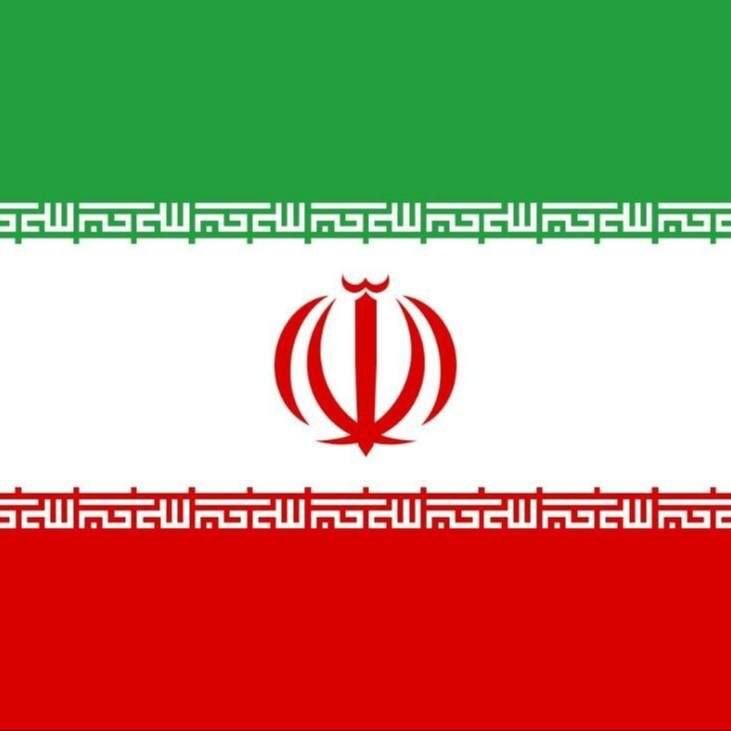
American and Iranian naval forces exchanged fire in the Strait of Hormuz on 7 May 2026, an incident confirmed by multiple OSINT channels monitoring regional developments and first reported by the Israeli publication Israel Hayom citing an Israeli official source.
The confrontation occurred after American forces attempted to seize an Iranian tanker transiting the waterway, according to initial accounts. Doron Kadosh, a correspondent for Israel's Army Radio—the official broadcaster of the Israel Defense Forces—reported that Iran launched an attack on American missile destroyers as they departed the area. Israel Hayom, citing an unnamed Israeli source, corroborated that a direct exchange of fire took place between the two militaries in the strait.
The Strait of Hormuz remains one of the world's most critical chokepoints for global oil shipments, carrying approximately 20 percent of the world's oil supply daily. Any military incident in its waters carries immediate implications for global energy markets and regional stability.
Immediate Context: A Pattern of Confrontation
The exchange of fire follows months of escalating pressure between Washington and Tehran. The United States has maintained a sustained naval presence in the Persian Gulf, conducting what American officials describe as freedom-of-navigation operations. Iran, under sweeping economic sanctions reimposed after the United States withdrew from the Joint Comprehensive Plan of Action in 2018, has repeatedly challenged what it characterizes as American military encroachment in waters it considers its exclusive economic zone.
American attempts to interdict Iranian vessels have occurred periodically, but the reports of actual fire being exchanged represent a qualitative escalation. Previous incidents have typically involved warning shots, laser illumination, or close maneuvering—levels of confrontation that stopped short of direct combat.
The timing of the incident places additional weight on the confrontation. Negotiations over a potential revival of the Iran nuclear deal have stalled, with both sides blaming the other for inflexibility. Meanwhile, broader regional dynamics—Israeli operations in Gaza, Houthi attacks on Red Sea shipping, and Iranian support for proxy groups across the Middle East—have created an environment where miscalculation carries heightened risk.
Israeli monitoring of the situation adds another dimension. Israel Hayom's reporting, and the confirmation by IDF Radio correspondents, signals that Jerusalem is treating the incident as a matter of direct security concern. Israel has carried out strikes on Iranian-linked targets in Syria and elsewhere in recent years, and Iranian officials have repeatedly warned that Israeli aggression will be met with retaliatory action.
Competing Accounts and the Fog of Escalation
The reporting on this incident carries inherent limitations. Israel Hayom, an Israeli newspaper, cited an Israeli official source—meaning the confirmation comes from one side of an ongoing security competition, not from an independent observer. IDF Radio's confirmation derives from the same Israeli security apparatus.
No independent Western wire service—including Reuters, the Associated Press, or Bloomberg—had confirmed the specific details of the engagement at time of writing. OSINT channels monitoring the Strait of Hormuz reported the incident based on the Israeli sourcing, noting that verification from American or Iranian official channels remained pending.
Iranian state media had not issued a confirmed statement on the exchange of fire as this publication went to press. PressTV, the English-language arm of Iranian state broadcasting, and Tasnim, a semi-official news agency affiliated with the Islamic Revolutionary Guard Corps, have not published corroborating reports in the channels monitored by this publication. The absence of Iranian confirmation is not unusual for military incidents of this nature; Tehran often delays or restructures its public statements on confrontations with American forces.
What can be said with confidence is that at least one authoritative Israeli source has confirmed an exchange of fire. Whether the engagement was limited or significant in scope—whether any vessels were damaged or personnel injured—cannot be established from the available sourcing.
The Structural Frame: Hormuz as a Pressure Point
The Strait of Hormuz has functioned for decades as both a physical chokepoint and a political one. Iran has long used the waterway's strategic significance as leverage, periodically threatening to close it—or demonstrating the capability to do so—as a bargaining chip in broader negotiations with Western powers. The United States has, in turn, treated freedom of navigation there as a core interest requiring constant military presence.
This structural dynamic means that incidents in the strait rarely remain isolated. When naval forces operate in close proximity under conditions of mutual hostility, the margin between a routine encounter and armed conflict narrows. American and Iranian vessels have collided or engaged in close-quarters confrontations before, but the threshold of actually exchanging fire marks a different category of event.
The incident arrives at a moment when the architecture of Middle Eastern security is under unusual stress. The Houthis' sustained campaign against commercial shipping in the Red Sea has already disrupted global supply chains, prompting American and allied military operations. Iran's nuclear program continues to advance, according to International Atomic Energy Agency assessments, reducing the timeline available for diplomatic resolution. And the absence of functioning channels between Washington and Tehran—after years of sanctions, assassination operations, and mutual designation of the other's military as a terrorist organization—means that escalation has fewer off-ramps than in previous decades.
Stakes and Forward View
If the incident is confirmed as a significant exchange of fire rather than a limited engagement, the consequences extend well beyond the immediate military dimension. Global oil markets, already sensitive to Middle Eastern volatility, would face fresh uncertainty. Insurance costs for tankers transiting the region would likely rise. And the political space for any renewed nuclear diplomacy would contract sharply.
American officials would face pressure to respond proportionately—a response that, if perceived as weak, could encourage further Iranian testing of American resolve, but that, if perceived as excessive, risks dragging the region into a broader conflict. Iran's leadership, for its part, would need to calibrate whether the incident serves domestic political purposes—projecting strength to a national audience—or creates unacceptable risk of retaliation.
Israeli officials will be watching closely. Jerusalem has long argued that Iran represents an existential threat and that Western patience with diplomatic approaches has only bought Tehran time to advance its nuclear and regional ambitions. A US-Iran exchange of fire—whether accidental or deliberate—provides Israeli hardliners with evidence that the Islamic Republic is a state willing to use force against American forces, complicating any future Western argument for engagement.
The coming hours and days will determine whether this incident is a singular event—contained, investigated, and managed through back-channel communication—or the opening of a more dangerous chapter. What is clear is that the margin for miscalculation in the Persian Gulf has narrowed further, and the absence of reliable communication channels between Washington and Tehran means that de-escalation, if it is to occur, will depend heavily on operational restraint on the water itself.
This publication's monitoring feed captured the incident from Telegram OSINT channels aggregating reporting from Israel Hayom and IDF Radio, with the Israeli framing predominating in early coverage. American Central Command and Iranian defense officials had not issued public statements at time of writing.
Wire provenance
This editorial synthesis draws on the following public wire/social posts:
- https://t.me/wfwitness/12345
- https://t.me/GeoPWatch/67890
- https://t.me/rnintel/11111
- https://t.me/osintlive/22222
- https://x.com/sprinterpress/status/1234567890
- https://t.me/osintlive/33333
- https://t.me/SpectatorIndex/44444