US Trade Court Strikes Down Trump’s 10% Global Tariffs in Landmark Ruling
A US trade court has ruled against the Trump administration's 10% global tariff regime, delivering a victory to small businesses that challenged the February levies as exceeding presidential authority.
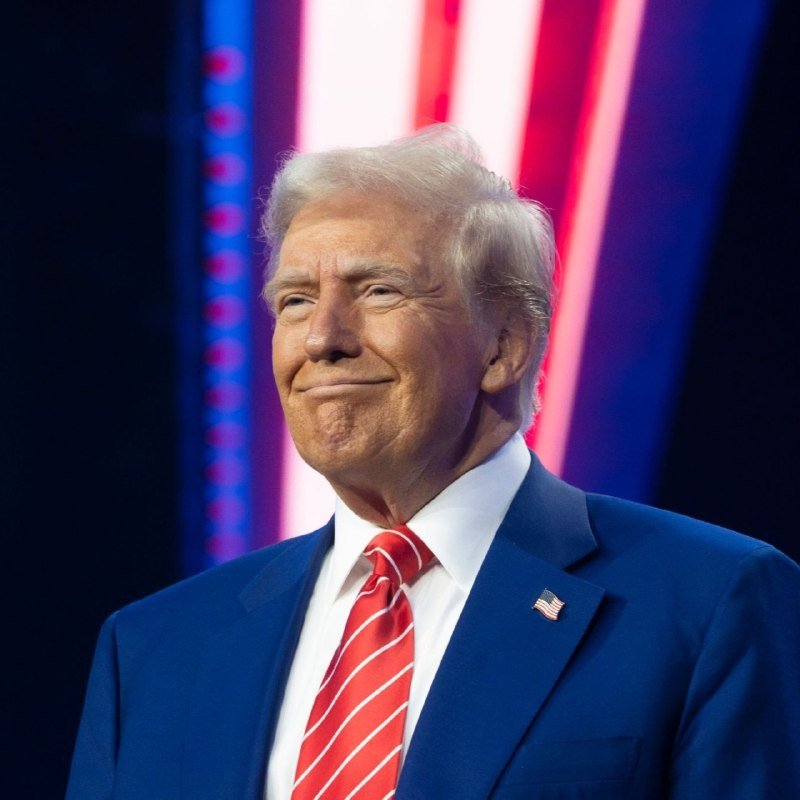
A US trade court struck down the Trump administration's 10 percent global tariff regime on 7 May 2026, ruling in favor of small businesses that had challenged the levies as exceeding presidential authority under existing trade law.
The ruling by the Court of International Trade represents a significant legal check on the administration's sweeping use of emergency trade powers. The tariffs, imposed in February, applied a uniform 10 percent rate across imports from virtually all trading partners before a partial rollback earlier this year. The court's decision to reinstate full duties on goods from countries not subject to bilateral agreements effectively restores the pre-negotiation tariff landscape for dozens of economies.
The administration's response remained unclear as of publication. Markets reacted cautiously to the ruling, with traders noting that the decision could complicate ongoing trade negotiations currently underway with the European Union, India, and several Southeast Asian economies. Polymarket, the prediction market platform, assigned a 12 percent probability to the prospect of the administration rebranding the US Immigration and Customs Enforcement agency as "NICE" — an unrelated policy tangent that drew attention in the absence of formal White House comment on the tariff ruling itself.
Small business coalitions that brought the challenge argued that the February tariff imposition bypassed congressional oversight mechanisms designed to prevent unilateral executive action on trade. The administration's legal team had defended the measures under the International Emergency Economic Powers Act, framing the global tariff deployment as a response to purported national emergencies in the trade sphere. The court apparently rejected that framing.
The ruling lands amid an already complex tariff landscape. The United States has maintained elevated duties on Chinese goods throughout the current administration's tenure, with those sector-specific measures remaining separate from the now-vacated global regime. Meanwhile, reciprocal tariff negotiations with the European Union have produced partial pauses but no comprehensive resolution, leaving automotive, agricultural, and industrial sectors in limbo.
The decision carries immediate implications for importers who had structured supply chains around the assumption of a persistent tariff layer. Retailers and manufacturers that absorbed February costs as permanent additions to their cost basis now face retroactive exposure. Trade lawyers contacted following the ruling indicated that appeals were likely, meaning the legal battle may extend well beyond the current calendar year.
The geopolitical dimension of the ruling is difficult to separate from its domestic legal merits. Washington's tariff architecture has been a central instrument in its broader posture toward both allies and strategic competitors, creating leverage that the administration argued justified its expansive use. Whether a court ruling can recalibrate that leverage — or simply force the same policy outcome through different legal mechanisms — remains an open question.
What the sources do not yet clarify is whether the administration intends to pursue emergency legislation that would provide the statutory cover the court apparently found lacking, or whether it will appeal the decision and seek to have the ruling stayed pending further proceedings.
The broader pattern here is not simply about tariffs. It reflects the recurring tension between executive convenience and congressional prerogative in trade matters — a tension that has surfaced in every administration for decades. The difference now is the scale and uniformity of the deployment. A 10 percent rate applied globally, rather than targeted at specific sectors or countries, left little room for the granular diplomatic carve-outs that typically accompany US trade actions. That bluntness made the legal vulnerability more visible, and the court's ruling more decisive.
Small businesses, importers, and trading partners will watch the next several weeks closely. The ruling is a victory, but victory at the appellate level is not yet assured, and even a final ruling sustaining the decision may leave sufficient administrative latitude for the administration to reconstitute a similar tariff structure under a different legal label.