The Visible War and the Invisible One: Israeli Airstrikes in Southern Lebanon, and the Geography of Attention
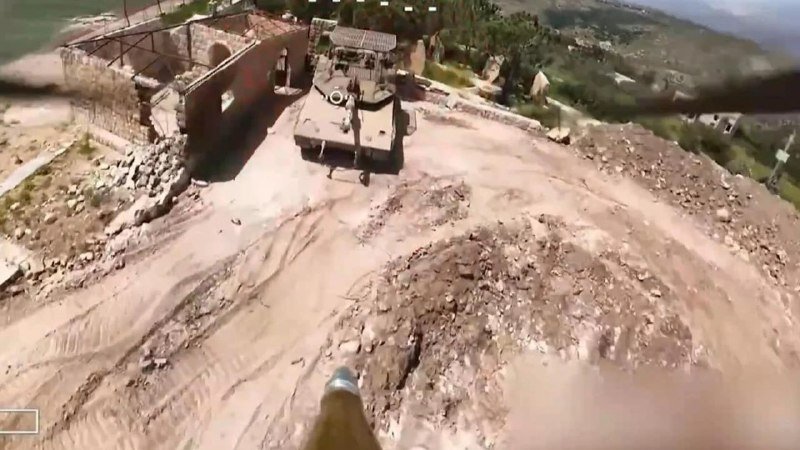
The dispatches arrived in a cluster, as they often do. On 7 May 2026, open-source monitoring accounts documented Israeli airstrikes on the towns of Qaaqaiyet al-Jisr, Adshit, and Kfar Sir in southern Lebanon. A separate strike hit Al-Qusayba. Drone activity targeted a vehicle in Blat. Another strike was recorded in Kafra. The postings, timestamped between 11:22 and 11:35 UTC that morning, included imagery and coordinates. The strikes were real, specific, and geographically identifiable.
Whether they become a story is a different question — and a more instructive one.
What the Record Shows
The open-source documentation is precise. It names the towns, identifies the weapon systems, and, where visibility permits, describes the targets. A vehicle struck in Blat. Settlements in Adshit and Kfar Sir struck from the air. The specificity is notable: this is not vague "military activity in the border area" but operational detail that would, in other contexts, anchor a substantial news report.
Israeli military operations along the Lebanon border have been ongoing for more than eighteen months. The IDF has conducted sustained air and drone activity across southern Lebanese municipalities. The stated security rationale — prevention of Hezbollah reconstitution, protection of northern Israeli communities — is consistently articulated by Israeli officials and echoed in Western government statements. Those statements are on the record. The strikes, meanwhile, land on communities that are predominantly Shia, largely rural, and politically distant from the axes of Western strategic attention.
The asymmetry is not accidental. It is structural.
The Geography of Coverage
Major international wire services maintain bureaus in Jerusalem, Tel Aviv, and Beirut. When Israeli military operations generate casualties in Gaza or the West Bank, the volume of coverage — sources quoted, officials named, legal frameworks invoked — reflects the political and commercial weight of those audiences. When strikes hit southern Lebanon, the same apparatus does not always engage at the same density.
This is not a conspiracy. It is a set of editorial incentives working as intended. The decision about what constitutes "a story" turns on a combination of factors: audience interest as measured by clicks and subscriptions, diplomatic proximity to Western governments, the availability of official Western voices willing to comment, and the logistical difficulty of verification in areas with restricted media access. Southern Lebanon scores poorly on all four.
The result is a documented pattern: strikes that would generate multi-day coverage if they occurred in Central Europe or the Persian Gulf are routinely processed as operational background rather than news. The villages struck on 7 May — Qaaqaiyet al-Jisr, Kafra, Blat — do not appear in the headlines of most international outlets. They appear in open-source monitoring feeds, in Telegram channels, and, occasionally, in regional wire reporting that does not cross into English-language desks at the same volume.
Why This Matters Beyond the Immediate
The structural gap in coverage is not merely a journalistic failure — it has downstream consequences for policy accountability. When Israeli military operations in Gaza generate sustained Western parliamentary scrutiny, public debate, and periodic pauses in weapons transfers, the mechanism is coverage. Elected representatives in Washington, London, and Berlin respond to constituent attention, and constituent attention follows coverage. Strikes in southern Lebanon, under-covered and under-scrutinised, do not activate that mechanism. The military activity continues; the accountability loop does not close.
Hezbollah's role in these dynamics is real and relevant — the organisation's military infrastructure in southern Lebanon is a stated Israeli security concern, one with documented consequences for communities on both sides of the border. But the fact that Hezbollah is a named actor in the area does not negate the human stakes for civilian populations in the towns being struck. Verification of civilian harm in these strikes is incomplete — the sources do not specify casualty figures — which itself reflects the coverage gap. When no international correspondent is embedded in or proximate to these communities, the documentary record is thin by default.
There is a reasonable counter-argument: Israel faces genuine security threats from Lebanese militant infrastructure, and operational necessity sometimes limits the feasible level of external reporting. The IDF operates under constraints that Western forces do not face in equivalent contexts, and public documentation of ongoing counterterrorism operations carries its own risks. These are not frivolous points. But they are used selectively — they tend to be invoked to explain under-coverage of Israeli operations in certain theatres, while the same scrutiny is not applied to coverage of equivalent activity elsewhere.
The Stakes of Selective Visibility
What this produces, over time, is a hierarchy of conflicts — some with full documentary attention, others with open-source crumbs and Telegram timestamps. The hierarchy does not map to the scale of human suffering. It maps to audience geography, diplomatic alignment, and the commercial logic of international newsrooms. That logic is not going to change. But the awareness of it can inform how readers calibrate what they are told — and what they are not.
The strikes on southern Lebanese towns on 7 May 2026 are documented. The villages are named. The weapons are identified. What is absent is the editorial machinery that would carry those facts into the category of major international news. That absence is itself a fact. It tells you something about which lives, in which places, generate the conditions for sustained international scrutiny — and which do not.
This publication monitored open-source documentation of Israeli military activity in southern Lebanon on 7 May 2026; the pattern of strikes across multiple municipalities was consistent with sustained ongoing IDF air operations in the border zone.
Wire provenance
This editorial synthesis draws on the following public wire/social posts:
- https://t.me/wfwitness/2984
- https://t.me/wfwitness/2983
- https://t.me/wfwitness/2982