WHO Calms Hantavirus Fears as Cruise Ship Cluster Triggers Viral Headlines
The WHO has moved quickly to distinguish a cluster of Hantavirus cases on a cruise ship from the early days of the COVID-19 pandemic, calling public risk low and urging people not to draw pandemic parallels.
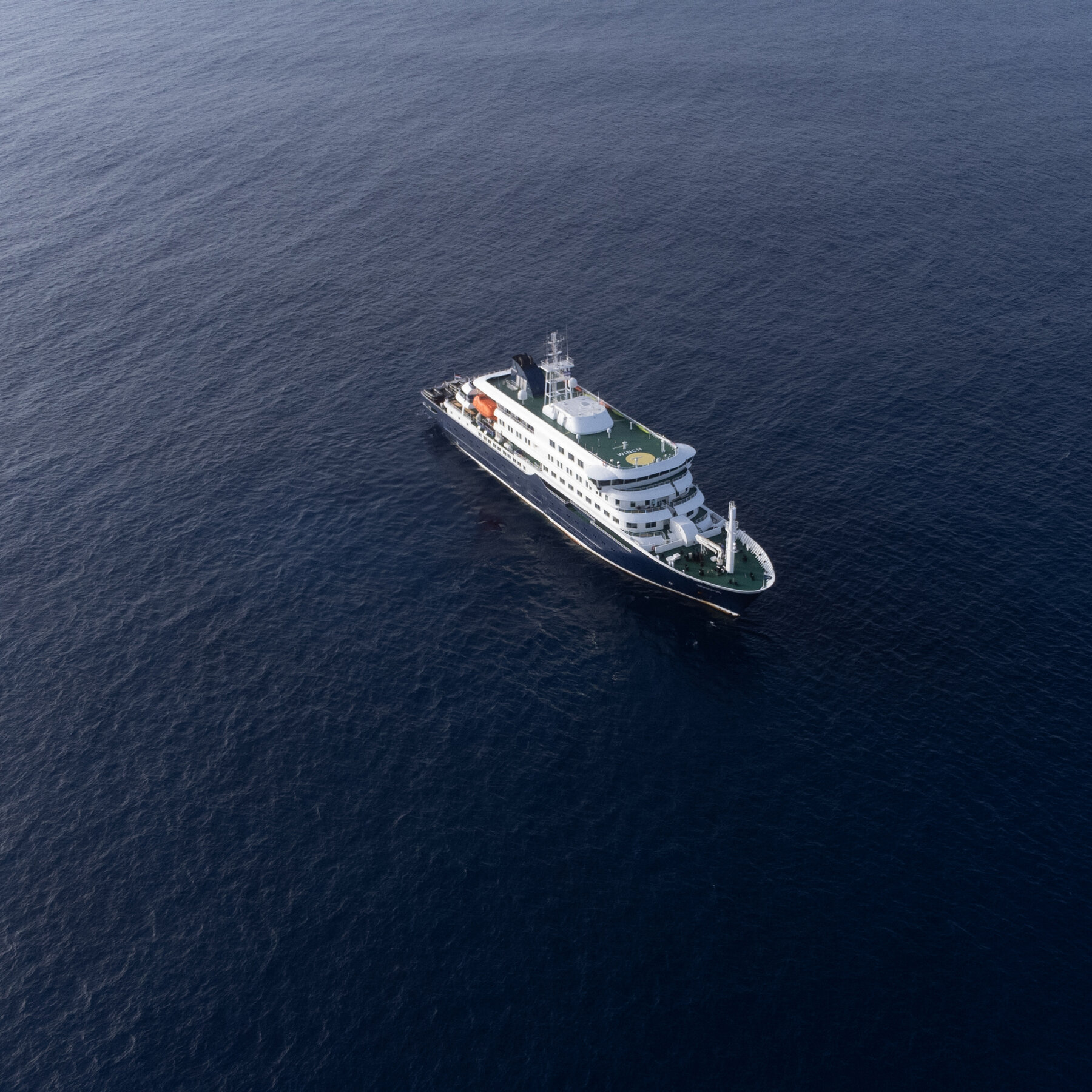
On 7 May 2026, the World Health Organization moved to contain a wave of viral misinformation about an outbreak on a cruise ship, with its top epidemiologist directly addressing comparisons to the early days of the COVID-19 pandemic. Maria Van Kerkhove, the WHO's technical lead for pandemic preparedness, appeared publicly within hours of reports surfacing online, stating plainly: "This is not coronavirus. This is a very different virus. This is not the start of a COVID pandemic." The clarification came as five of eight reported cases on the vessel had been confirmed as Andes Hantavirus, with three further cases under investigation. The WHO simultaneously issued a public risk assessment characterising the threat as low.
What the WHO Found — and Why It Matters
The confirmed pathogen is Andes Hantavirus, a strain endemic to parts of South America and previously documented in small human transmission chains. Unlike SARS-CoV-2, which spreads efficiently through airborne aerosols, Hantavirus typically requires direct contact with infected rodent urine, droppings, or saliva, or close proximity to an actively infected individual during a narrow window of symptomatic shedding. This transmission profile means that while clusters can occur in enclosed environments — a cruise ship being a textbook example — sustained community spread is far less probable without specific occupational or environmental exposure patterns.
The WHO's five-confirmed, three-suspected case count reflects a contained detection rather than an expanding outbreak. Public health protocols for Hantavirus involve isolation of confirmed cases, contact tracing, and rodent control measures. The agency has not issued travel advisories or border health alerts in relation to the incident, a signal that the risk calculus for the broader population remains unchanged.
Why the Media Reflex Was Predictable
The speed with which Hantavirus headlines spread across social media platforms follows a pattern now well-established in the post-pandemic information environment. Any cluster of infectious disease cases on a ship or in a dense urban setting, particularly one that involves a respiratory element, triggers a reflex: the machinery of public attention activates before institutional verification can complete its work. The WHO's rapid counter-statement — delivered by name, on camera, in plain language — appears to have been pre-prepared for precisely this scenario.
Kerkhove's statement was unambiguous in its intent: to close down a narrative before it metastasises. The counterpoint worth noting is that not every disease cluster requires this kind of escalation. The sources do not indicate that the cruise ship in question has been placed under quarantine, nor that port states have implemented any entry restrictions. The institutional response appears calibrated to the actual transmission profile, not to the velocity of online speculation.
Structural Forces Shaping Disease Surveillance
The incident reveals something about how global health architecture has adapted since 2020. The WHO now operates under significant political and reputational pressure to pre-empt rather than react. The Kerkhove statement was timed not to a spike in confirmed cases but to the first wave of social-media virality — a form of reputational damage control that has become standard operating procedure. Whether this benefits public health or crowds out more pressing communications is a genuine question the sources do not resolve.
What is clearer is that the cruise ship context makes containment more tractable. Confined-environment clusters offer discrete contact-tracing opportunities that wild-animal or environmental exposure chains do not. The WHO's low-risk classification is not an institutional hedge; it reflects the epidemiological realities of a pathogen that has not demonstrated sustained human-to-human transmission capability at scale.
What Remains Open
The sources do not identify the cruise line, the vessel's registry, or the specific itinerary that placed passengers at risk of rodent exposure. Andes Hantavirus in a maritime setting suggests either a South American port of call or cargo contact with rodent-infested infrastructure — details that the available reporting has not provided. The three suspected cases may yet be confirmed, or the cluster may close without further spread. Neither outcome changes the WHO's current public risk assessment, but it would sharpen the picture of how this particular exposure event unfolded.
What the 7 May 2026 episode confirms is that the post-pandemic health information environment has permanently lowered the threshold at which institutional rebuttal is required. Whether that responsiveness is a net positive for global health security depends on whether the next cluster that triggers similar virality is one where the rebuttal is equally well-grounded — and equally quick.
This publication's coverage of the Hantavirus cluster foregrounds the WHO's own technical framing as the evidentiary anchor. Wire reporting on emerging infectious disease tends to lead with case counts and fear-adjacent framing; the institutional voice here does the opposite, and that asymmetry is worth noting.
Wire provenance
This editorial synthesis draws on the following public wire/social posts:
- https://t.me/disclosetv/19409
- https://t.me/osintlive/11238
- https://x.com/disclosetv/status/2052385130858115075