WHO Signals Vigilance as Hantavirus Cases Emerge in Monitored Outbreak
The World Health Organization warned Thursday that additional hantavirus cases could emerge in an outbreak it described as limited, prompting a scheduled media briefing by the agency's director-general later that day.
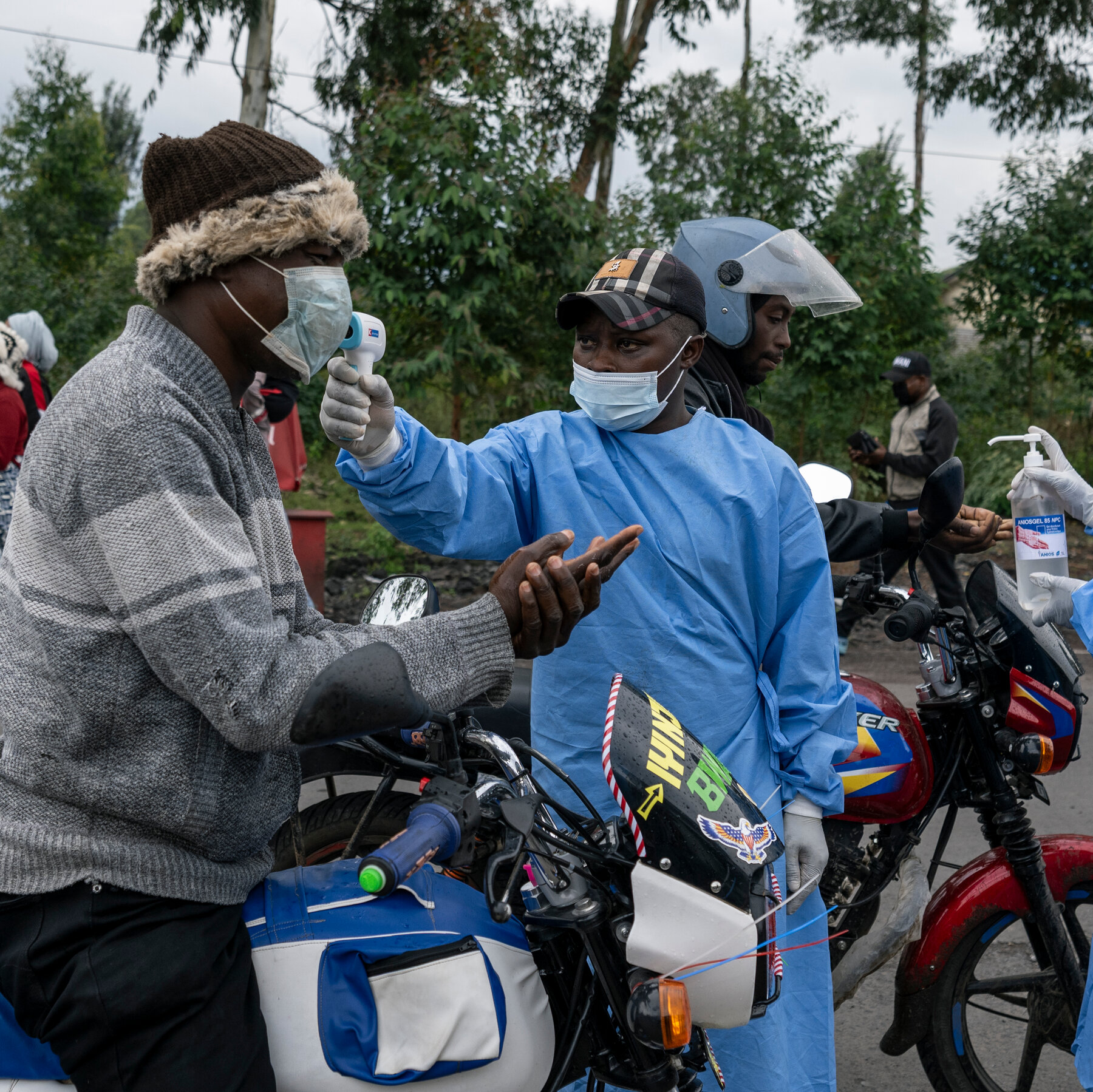
The World Health Organization said Thursday that more cases of hantavirus could emerge but expected the outbreak to remain "limited" if precautionary measures held. The assessment came as the agency's director-general scheduled a media briefing for later that day, signaling the situation warranted direct public communication from the Geneva-based body's top leadership.
The WHO's framing of the outbreak as contained but not closed reflects a familiar calibration in global health messaging: sufficient alarm to prompt vigilance, not enough to trigger panic. Officials have not yet disclosed the geographic origin of the cluster or the specific hantavirus strain involved, details that typically inform both clinical protocols and public communication strategies.
What WHO Said and What It Withheld
The WHO statement, issued Thursday, described additional cases as possible but not probable if existing precautions remained in place. The agency's director-general, Tedros Adhanom Ghebreyesus, announced a 9 AM ET media briefing for the same day, an unusually direct engagement for what the WHO was simultaneously calling a limited event.
The apparent tension in that positioning — a contained outbreak addressed by the director-general personally — is not unusual in global health communications. Agencies routinely escalate visible engagement when they want to demonstrate agency and control, even over relatively modest threats. The briefing itself serves a dual function: delivering information to the public while signaling to member states and health systems that coordination is underway.
What the statement did not contain is equally notable. No case count was disclosed. No affected country or region was named. No transmission pathway was specified, beyond the broad implication that rodent contact — the classic hantavirus vector — remained the working hypothesis. Those details will presumably emerge in Thursday's briefing, or in subsequent situation reports.
The Hantavirus Context
Hantaviruses are zoonotic pathogens, primarily transmitted to humans through inhalation of aerosolized particles from rodent urine, feces, or saliva. The clinical spectrum ranges from mild, self-resolving febrile illness to severe respiratory and renal syndromes, depending on the viral strain. The Andes virus, circulating in parts of South America, is one of the few strains documented to transmit between humans; most other variants require rodent exposure.
The public health profile of hantavirus has historically been one of sporadic, contained events rather than sustained transmission chains. Large outbreaks tend to occur in specific occupational or environmental contexts — agricultural workers, rural populations, settings with significant rodent infestation. That epidemiology shapes both the clinical response and the communication challenge: the virus is serious when it strikes, but its transmission dynamics make epidemic spread outside those contexts uncommon.
What has changed in recent years is the visibility of hantavirus as a surveillance target. Expanded wildlife disease monitoring, driven partly by lessons from COVID-19, has increased detection of novel orthohantaviruses — the family classification that includes the viruses causing human disease. That heightened sensitivity means outbreaks are being identified faster, sometimes before clinical and epidemiological characterization is complete. The result is a communication environment in which "limited outbreak" and "director-general briefing" can coexist for a pathogen that, historically, would not have prompted such senior-level attention.
Risk Communication and the Optics of Containment
The WHO's Thursday framing sits within a broader evolution in how global health agencies handle early-phase outbreak communications. The post-COVID period produced a sustained effort to improve transparency — more frequent updates, lower thresholds for public statements, director-general-level engagement earlier in outbreak timelines. The implicit goal was to rebuild public trust by demonstrating that the agency was on top of emerging threats before they became unmanageable.
That approach carries its own risks. Early, visible engagement on limited events can amplify public anxiety if the eventual case count remains small — a dynamic sometimes described as the credibility cost of crying wolf. The WHO's careful use of "limited" in its Thursday assessment appears designed to calibrate expectations downward: this is being watched, but it is not the kind of event that requires extraordinary intervention.
How member states and national health systems respond to that signal will depend on their own surveillance infrastructure and communication cultures. Countries with strong rodent-control programs and established hantavirus clinical protocols — parts of Scandinavia and the Americas have dealt with hantavirus for decades — may treat Thursday's briefing as routine confirmation of existing readiness. Countries with less exposure may use the moment to review their diagnostic capacity and public messaging templates.
What Remains Unknown
The sources reviewed for this article do not specify the geographic location of the outbreak, the number of confirmed or suspected cases, or the viral strain involved. The WHO statement characterizes transmission risk as manageable under existing precautions but does not quantify what those precautions entail or what evidence supports the limited-outbreak classification.
The scheduled briefing by the director-general, set for 9 AM ET on Thursday, is likely to address those gaps. Until those details emerge, the article operates within the boundaries set by the available sourcing: WHO is watching an outbreak it describes as limited, has elevated the response to senior leadership level, and expects more cases are possible — not certain.
That framing is careful by design. Whether it succeeds in maintaining public trust while avoiding disproportionate alarm will become clearer in the coming days, as case counts — if they are disclosed — either confirm the contained-outbreak thesis or complicate it.
Desk note: Wire coverage focused on the WHO's media-briefing announcement and the "limited" outbreak characterization. This article expanded the hantavirus epidemiological context and the risk-communication dynamics at play, in line with culture-desk priorities around how institutions present health threats to publics.
Wire provenance
This editorial synthesis draws on the following public wire/social posts:
- https://t.me/france24_en/
- https://x.com/polymarket/status/1938478260398063767
- https://en.wikipedia.org/wiki/Hantavirus
- https://en.wikipedia.org/wiki/Hantavirus_pulmonary_syndrome