76ers Try to Buy Back Their Own Arena: Inside Philadelphia's Ticket-Donation Play Against Knicks Fans
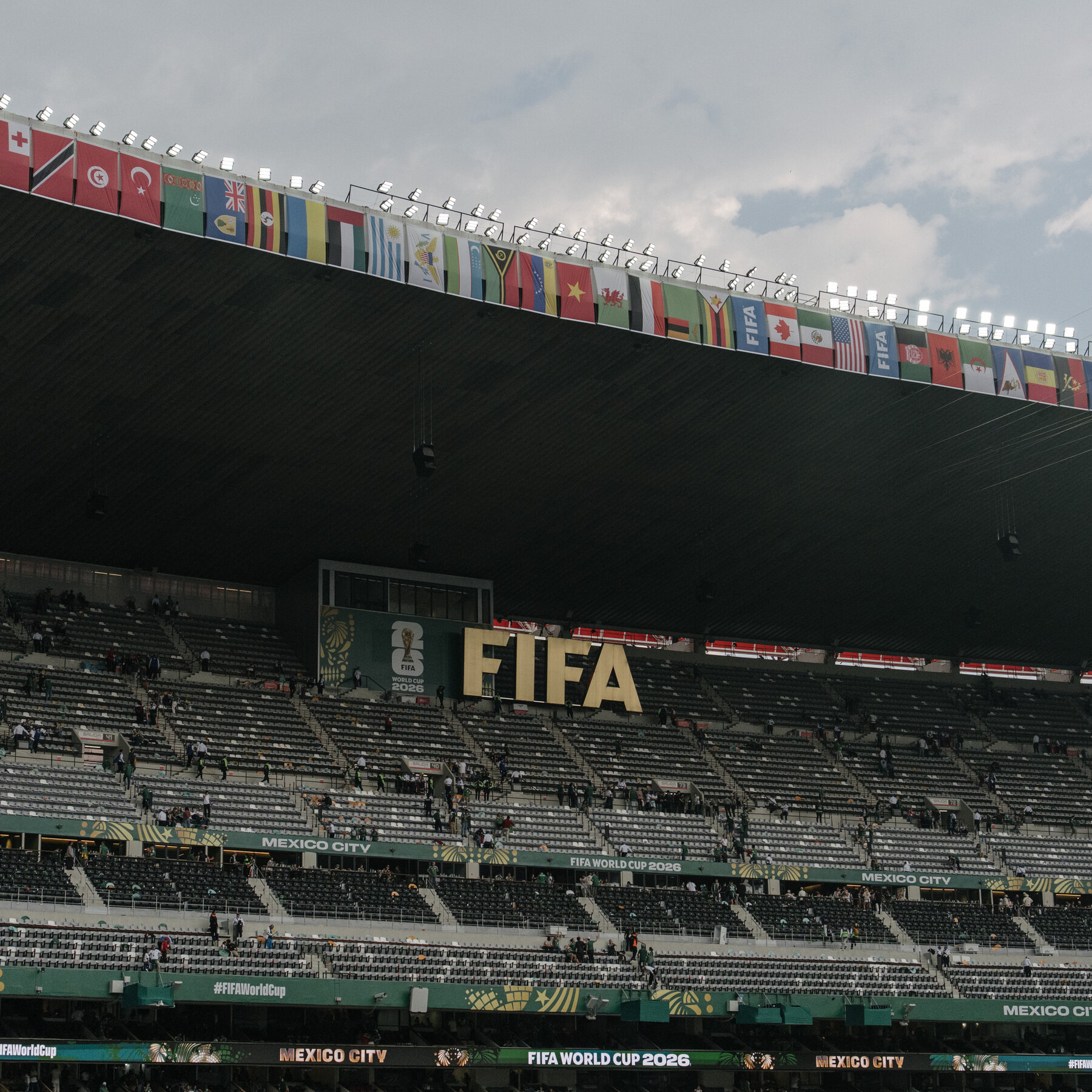
The Philadelphia 76ers announced on 8 May 2026 that they will donate 500 tickets per remaining home second-round playoff game to local community groups — the latest in a string of arena-management moves designed to keep Knicks fans out of their own building during the series. The timing is deliberate. With Game 3 scheduled for Philadelphia on 8 May 2026, the 76ers organization is acutely aware that the opposing fanbase has a long and well-documented record of travelling in force.
The Knicks' 2026 playoff run — anchored by a deep second-round appearance and sustained national television interest — has reignited one of the NBA's oldest regional rivalries. Knicks fans, known for their vocal loyalty and willingness to travel, have historically turned neutral or hostile arenas into something closer to a home game. The 76ers' ticket-donation initiative is a direct counter to that pattern.
Knicks Fans on the Road: A Structural Advantage
The phenomenon is not unique to Philadelphia. Visiting fanbases regularly populate arenas during playoff runs, driven by proximity between cities, socioeconomic factors that concentrate wealthy supporters in ticket-buying demographics, and a culture of supporter investment that transcends geography. Knicks fans, concentrated in the New York metropolitan area with direct rail access to Philadelphia, represent a particularly persistent example. When the two teams meet in the postseason, the away team's colours routinely appear in significant numbers — sometimes dominating the upper decks entirely.
The 76ers' response is, in financial terms, not trivial. Five hundred tickets per game, across multiple remaining home dates, represents a substantial allocation of inventory — tickets that would otherwise generate premium secondary-market revenue or go to the team's own season-ticket base. The donation model attempts to swap commercial buyers and opposing fans for community-oriented attendees who have a structural incentive to cheer for the home team.
Community Tickets as Arena Strategy
The strategy is not without precedent, but its effectiveness is contested. On one level, community-group allocations create a more predictable crowd composition than open-market sales, which are increasingly dominated by resale platforms where ticket origin is irrelevant. A community organization receiving donated seats is far more likely to populate those sections with invested local fans than a neutral buyer who purchased the ticket through StubHub.
On the other hand, resale remains a complicating factor. Once a ticket enters the secondary market, its ultimate occupant is beyond the franchise's control. Knicks fans with the willingness to pay a premium can still acquire tickets regardless of the original allocation method. The 76ers' donation strategy addresses the supply side of the ticket distribution, but the demand side — a deeply committed, geographically proximate fanbase willing to pay above face value — is a force that a community-group programme cannot fully neutralise.
What This Says About the Modern Playoff Economy
There is a structural irony embedded in the 76ers' move. The NBA's playoff economics reward exactly the conditions that are making Wells Fargo Center difficult to defend: national television exposure, star-driven narratives, and urban rivalries that generate broad fan interest. The league benefits when Knicks-76ers matchups are appointment viewing. But that same interest produces away-fan demand that erodes homecourt advantage — a competitive variable teams invest heavily to protect.
The donation model is a creative workaround, not a systemic fix. It signals how seriously the 76ers view the threat to their home environment, but it also reveals the limits of what a franchise can control once tickets enter a fluid secondary market. Whether 500 donated seats per game is enough to shift crowd dynamics in a meaningful way — or whether it is largely symbolic — will become apparent when the lights go up on 8 May.
Forward Stakes
The 76ers need at least one more home win to stay competitive in the series. Whether the crowd-management initiative makes a measurable difference on the floor is an open question. What is clear is that the franchise is treating the fan-invasion problem as a competitive liability worthy of a direct financial response — not simply a logistical inconvenience to be managed with extra ushers and signage. For a team whose second-round performance is being broadcast to a national audience, the visual of a hostile crowd is not merely an atmosphere problem. It is a message.
Monexus used ESPN's reporting on the ticket-donation announcement as its primary source. Two NBA X LIVE Telegram threads, both posted on 8 May 2026, provided context on the Game 3 build-up and the broader social-media conversation around the Knicks-76ers rivalry.
Wire provenance
This editorial synthesis draws on the following public wire/social posts:
- https://t.me/NBALive/8923
- https://t.me/NBALive/8920