Iranian Naval Forces Strike US Destroyers Near Strait of Hormuz
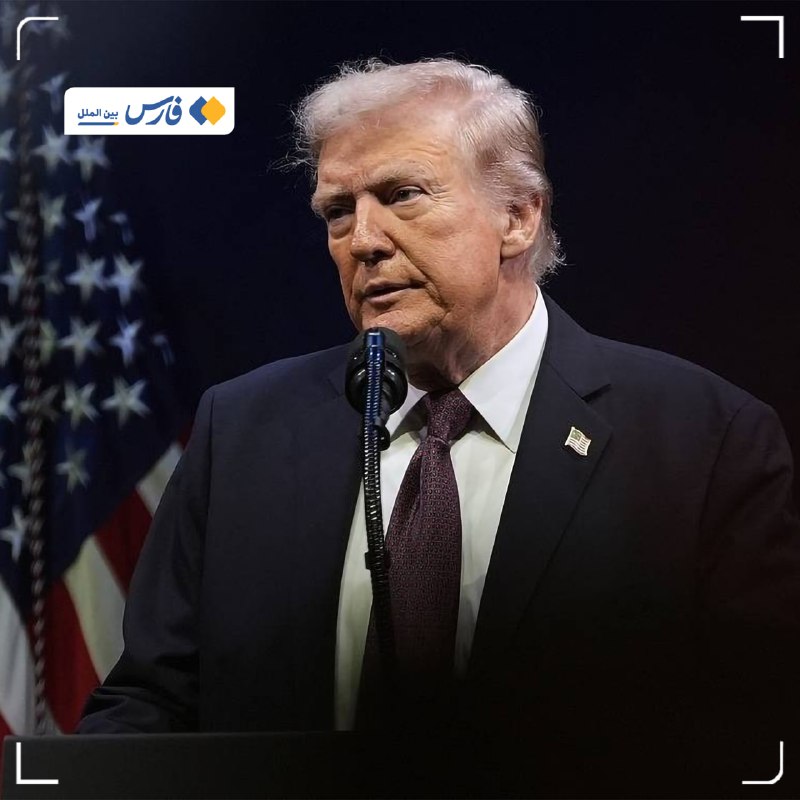
Iranian naval forces struck at United States Navy guided-missile destroyers transiting the Strait of Hormuz in the early hours of May 8, 2026, according to Iranian state media and independent monitoring channels. The Islamic Republic's missile and drone units carried out what Tehran described as a direct response to American actions against Iranian oil tankers in the strategic waterway.
Footage released by Iranian state media showed launches from coastal positions targeting the U.S. vessels. WarMonitorCENTCOM, a tracking account covering U.S. Central Command operations, confirmed that Iranian forces deployed missiles, armed drones, and small boats against the destroyers. American officials told monitoring channels that no U.S. assets were hit in the exchange.
The incident marks a sharp intensification in what had been a simmering standoff between the two powers in the Persian Gulf. It follows a series of maritime incidents involving Iranian oil tankers that Tehran has attributed to American hostility, and comes amid broader tensions over Iran's nuclear programme and its regional network of proxies.
The Exchange
According to Iranian state media reports on May 8, 2026, the Islamic Revolutionary Guard Corps Navy units launched the operation after what Tehran characterised as repeated American aggression against Iranian commercial shipping. The footage, broadcast by PressTV, showed multiple missile launches from fixed positions along the Iranian coastline, with secondary clips depicting unmanned aerial vehicles in flight.
WarMonitorCENTCOM's account, corroborated by open-source intelligence channels tracking the Strait, described the targets as guided-missile destroyers passing through the chokepoint. The account noted the use of swarming tactics involving coordinated small-boat operations alongside the missile and drone strikes. U.S. officials who spoke to monitoring accounts said preliminary assessments indicated no American casualties or material damage, though the exchange was under active review.
The footage, posted to social media channels by independent observers citing Iranian military sources, showed the launches occurring near dusk, with thermal imaging capturing the trajectories of multiple projectiles.
Divergent Framing
The incident has produced two distinct narrative tracks in the immediate aftermath. The Iranian framing, carried prominently by state outlets, presents the strike as justified retaliation — a proportional response to what Tehran described as U.S. military interference with Iranian commercial vessels. Iranian officials have long maintained that American naval presence in the Persian Gulf constitutes an illegal pressure campaign aimed at strangling Iranian oil exports.
The American position, as conveyed through CENTCOM-affiliated monitoring channels, frames the exchange differently. U.S. officials have not publicly detailed what specific recent actions against Iranian tankers they are acknowledging, but the broader American posture toward Iranian shipping has included increased interdiction operations as part of sanctions enforcement under the maximum pressure framework that has defined U.S. Iran policy.
Neither side has provided a detailed accounting of the sequence of events leading to the May 8 exchange, and independent confirmation of the specific American actions Tehran cited as provocation remains limited. The disparity in available detail reflects the broader opacity of maritime operations in the Strait — a corridor where commercial traffic, naval patrols, and covert sanctions-enforcement activities routinely overlap.
Hormuz and the Oil Weapon
The Strait of Hormuz is the world's most critical oil chokepoint, carrying roughly one-fifth of global oil trade. Any engagement between Iranian and American forces in or near the channel carries immediate implications for energy markets and global shipping insurance. The Strait is narrow — at its narrowest point, the shipping lane is just 21 miles wide — which means naval operations there are inherently high-risk.
Iran has historically leveraged the Strait's geography as a strategic asset. During previous periods of heightened tension — including the 2019 tanker attacks attributed to Iran and the 2020 incidents involving commercial vessels — the mere prospect of disruption sent ripples through oil futures. The structural logic is straightforward: even a temporary closure, or the perception that closure is possible, applies pressure on importers, insurers, and shipping companies in ways that amplify the economic impact of any specific incident.
That backdrop shapes how both sides approach incidents here. Tehran knows that naval activity near the Strait generates market sensitivity regardless of the tactical outcome. Washington knows that any perception of American passivity in the face of Iranian strikes on U.S. vessels carries its own political costs, particularly in a region where allies watch closely for signals about the credibility of American security commitments.
Market and Diplomatic Stakes
The immediate market反应 — at time of writing, oil futures were beginning to incorporate reports of the exchange — will depend on whether the incident is contained or escalates. A single exchange in which no American assets were struck is a different category of event than a sustained engagement. But the trajectory matters more than the opening act.
If the U.S. responds with visible military moves — additional carrier deployments, expanded surveillance flights, or strikes on Iranian naval infrastructure — Tehran will face pressure to match or escalate, particularly given the domestic political dynamics that surround any perceived challenge to Iranian sovereignty in the Gulf. Both governments have historically found it difficult to absorb visible humiliations in this particular theatre without a response.
For diplomatic intermediaries — including European states and Gulf monarchies that maintain channels to both Washington and Tehran — the May 8 exchange narrows the window for de-escalation. Those capitals have invested considerable political capital in keeping the situation below threshold, and an incident of this profile complicates that work.
The sources do not yet indicate whether either side has signalled willingness to step back from the immediate line of contact, or whether back-channel communications are active. That remains the most consequential unknown in the hours ahead.
This publication's coverage leads with Iranian state and CENTCOM-adjacent accounts, reflecting the immediacy of those sources and the absence of Western wire confirmations at time of writing. The incident will be updated as official statements and independent corroboration become available.
Wire provenance
This editorial synthesis draws on the following public wire/social posts:
- https://t.me/presstv
- https://t.me/osintlive
- https://t.me/megatron_ron