Somali Migrants in Minnesota Face a Legal Reprieve That Still Feels Like a Trap
Hundreds of Somali nationals in Minnesota have received a legal reprieve from deportation, yet many say they cannot or will not return to a country they fled — leaving them in a precarious limbo neither fully legal nor fully removable.
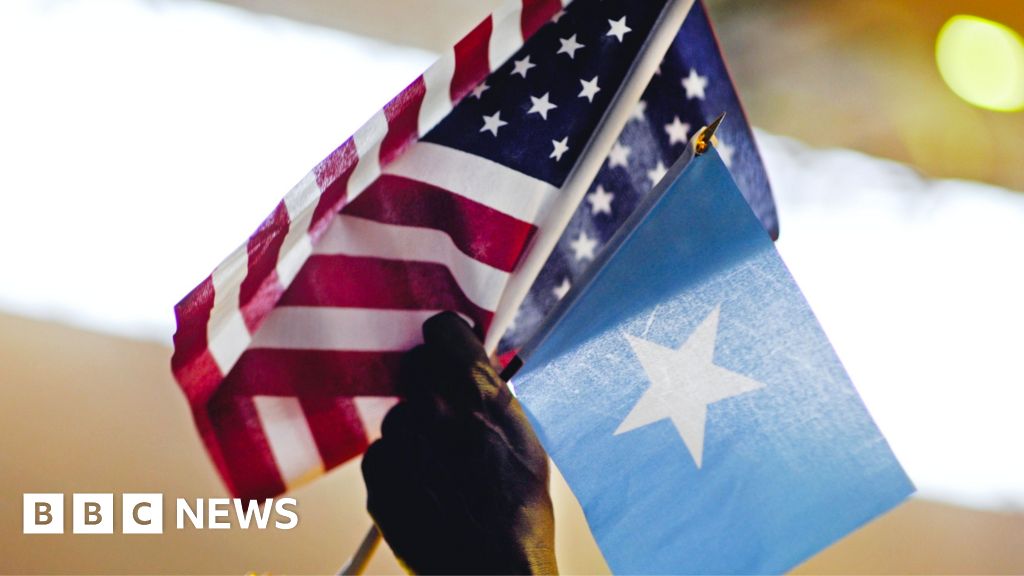
Mariam Abdi arrived in the United States as a teenager. She built a life in Minnesota, learned English, raised children, paid taxes. Then she learned she was slated for removal to a country she had not seen in more than two decades. A federal court order has temporarily blocked that deportation. But for Abdi and hundreds of others in similar circumstances, the reprieve has not restored calm — it has only clarified the depth of the bind they are in.
"I'd rather live in hiding in the US than return to Somalia," she told the BBC. That sentiment, repeated across interviews with Somali migrants in Minnesota's Twin Cities, captures a paradox at the heart of American immigration enforcement: legal mechanisms exist to delay removals, yet the practical reality on the ground leaves many in a state of permanent uncertainty.
A Legal Reprieve That Changes Little
The court order providing temporary relief was described by court watchers as significant but narrow in scope. It halts enforcement action against a specific cohort while broader litigation proceeds. What it does not do is grant asylum, establish permanent residency, or offer any pathway to legal status. Those caught in its wake remain technically removable once proceedings conclude.
Immigration advocates in Minneapolis, where Minnesota's largest Somali community is concentrated, have spent years navigating exactly this kind of legal terrain. The Twin Cities have long hosted a substantial Somali population — families who arrived in waves during the 1990s and early 2000s, fleeing the civil war that followed the collapse of Siad Barre's government in 1991. Many have lived here for twenty years or more. Their children were born in the United States. Their professional networks, healthcare arrangements, and daily routines are rooted in Minnesota communities.
For these individuals, the legal reprieve means the immediate threat of removal has receded. It does not mean they can work legally, access public benefits in many cases, or travel without risking their provisional status.
Why Somalia Feels Unreturnable
The Somalia these migrants would be sent back to is not the Somalia they left. But that distinction offers limited comfort. The federal government of Somalia, such as it is, controls little territory outside Mogadishu. Al-Shabaab maintains a persistent armed presence across large swathes of the south and center. clan-based violence, drought, and economic collapse have displaced hundreds of thousands within the country. The UN estimated in 2025 that more than a million people in Somalia face acute food insecurity.
For someone who has built an adult life elsewhere, the prospect of return is not simply inconvenient — it is existentially disorienting. The Somalia that exists on the ground bears little resemblance to the legal entity their deportation order references. Their homes, their social networks, their professional identities — all are in Minnesota.
Some migrants have also raised concerns about their status under the Immigration and Nationality Act's provisions related to persecution. Under US law, individuals who fear return to countries where they would face harm on account of protected characteristics can apply for asylum or related relief. But the legal process is adversarial, slow, and resource-intensive. Many who arrived without documentation or without clear records of their flight from Somalia struggle to document claims that may be genuine but are difficult to substantiate.
Minnesota's Somali Community: A Distinctive Political Context
Minnesota has the largest per-capita Somali population in the United States. The community has developed significant institutional infrastructure in Minneapolis — mosques, cultural organizations, social service agencies, and a political voice that has grown more assertive over two decades. Minneapolis elected the first Somali-American state legislator in US history. Community organizations have built legal aid pipelines specifically targeting immigration matters.
That institutional density means that when immigration enforcement targets this community, the response is organized and visible. Advocates note that the concentration of affected individuals also means that each enforcement action reverberates across an entire network — a raid on one household sends signals to hundreds of others who share the same immigration status.
The tension between federal enforcement priorities and the political character of the communities they are operating in has created ongoing friction. Minnesota's elected officials, including both Democratic-Farmer-Labor Party members and some Republican legislators with large Somali constituencies in their districts, have repeatedly raised concerns about enforcement tactics. Community organizations have filed federal complaints alleging targeting patterns that they argue lack sufficient legal justification.
The Structural Bind
What the Somali migrants in Minnesota are navigating is not unique to their community, but their situation exposes a structural tension in American immigration law that rarely receives sustained attention. The system was designed to process individuals through defined legal channels — asylum applications, visa programs, regularization routes. When those channels are overwhelmed, under-resourced, or effectively closed to certain categories of applicant, the legal architecture that remains does not dissolve. It just produces a different kind of limbo.
Individuals who cannot be returned safely to their countries of origin, but who also lack legal status allowing them to remain, occupy a category that the law handles poorly. They are not removable in practice — sending someone back to a country where they face harm raises legal and diplomatic complications — but they are also not legally present. The result is a population that exists in the interstices of the system, surviving on temporary fixes rather than durable solutions.
The court order providing temporary relief is the latest of those fixes. When it expires or is overturned, the underlying question resurfaces: what is the actual legal status of someone who cannot be returned but is not permitted to stay?
For Mariam Abdi, the answer to that question, when it comes, may determine whether she remains in the country she built her life in or is sent back to one she no longer knows. The reprieve has bought time. It has not answered the question.
This publication covers the Minnesota Somali community's legal status within the broader context of African migration to the United States. The wire framing centered on individual testimony; this analysis examines the structural conditions that produce the limbo those testimonies describe.
Wire provenance
This editorial synthesis draws on the following public wire/social posts:
- https://t.me/bbcworldoffl/3842