Trump Claims Hormuz Blockade Success as Iran Readies Response
The US Navy intercepted nine tankers attempting to transit the Strait of Hormuz on 8 May 2026, according to reports. President Trump called the operation a success, but the sources do not specify how many vessels evaded interdiction, raising questions about the blockade's operational coherence.
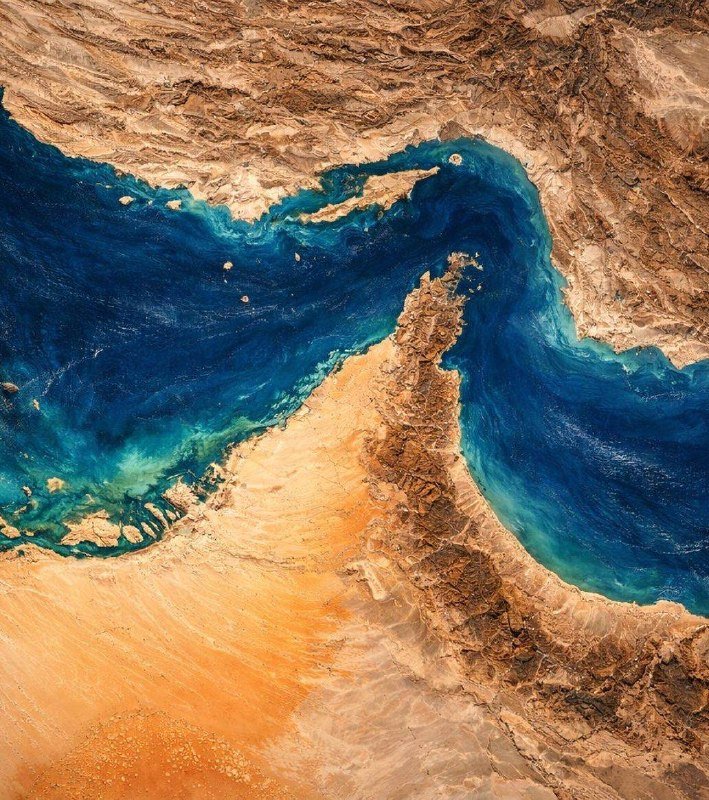
The US Navy intercepted nine oil tankers attempting to breach a blockade of the Strait of Hormuz on 8 May 2026, according to open-source intelligence reports from that day. The engagement is the most significant maritime confrontation since the outbreak of hostilities between Washington and Tehran, occurring as both sides signal conflicting intentions about whether a fragile ceasefire holds.
President Trump, speaking from the White House on the same date, declared the blockade a success. "The operation is working exactly as planned," the President said, per the wire reports. The declaration came against a more ambiguous operational picture: the sources do not specify how many of the nine vessels stopped were ultimately turned back versus how many slipped through, and the US military's own CENTCOM briefings had not been updated at time of publication.
The Narrow Window of the Ceasefire
The tanker interdiction occurred within hours of the ceasefire announcement, underscoring the fragility of the current pause. The sources indicate the ceasefire, declared earlier this week, is holding in a technical sense — US forces have not engaged Iranian military assets directly beyond the Hormuz transit dispute — but the naval standoff has compressed the window for diplomacy. Trump stated on 8 May that the ceasefire holds, per Reuters.
The structural logic of the Hormuz confrontation is not new. The strait handles roughly a fifth of the world's oil supply, and any disruption reverberates through global markets within hours. The current blockade targets Iranian oil exports specifically, attempting to starve Tehran of the revenue that finances its military posture. Iranian officials, including representatives speaking through state-aligned media, have repeatedly characterised the restrictions as an act of economic warfare rather than a legitimate sanctions mechanism.
Operational Reality vs. Political Framing
The gap between the President's bullish characterisation and the open-source picture warrants scrutiny. Nine tankers stopped does not by itself confirm an airtight blockade. The sources do not disclose the nationality of the vessels intercepted, whether they were carrying Iranian crude or oil from third countries, or whether they were operating under insurance and registry arrangements that complicate the legal basis for interdiction.
This ambiguity matters because the blockade's legitimacy is contested in international law. Sanctions enforcement operates in a grey zone when conducted by naval interdiction outside a United Nations mandate. Iranian state media, per reports summarised in the thread, characterises the operation as piracy; Washington frames it as sanctions compliance. Neither characterisation is neutral.
Iran's Counterpressure
The sources indicate the US expects a formal Iranian response on Friday, 9 May 2026. The content and mode of that response — diplomatic protest, military retaliation, or a calibrated escalation in the Gulf — remains open. What is clear is that Tehran regards the Hormuz restrictions as a threshold issue. Oil export infrastructure is not merely an economic asset for Iran; it is the institutional backbone of state finance, and its impairment is structurally equivalent to a direct attack on sovereign revenue.
The geopolitical calculation for Tehran is therefore narrow: absorb the blockade and accept revenue loss, or respond in a way that forces the US to choose between escalating militarily and accepting the economic consequences of a widened conflict. Neither option is attractive. Both carry risks that the current Iranian leadership appears to be calculating in real time.
Market and Structural Stakes
The immediate market signal has been muted. Brent crude opened 8 May with a modest premium reflecting Hormuz risk, but analysts quoted in the wire coverage noted that oil markets had priced a degree of disruption into forward contracts since the outbreak of hostilities. The more consequential transmission mechanism may be insurance and freight: any sustained naval activity in the strait tightens premiums on Gulf-transit vessels, adding cost to every barrel that moves through the corridor regardless of flag or cargo.
Over a longer horizon, the stakes extend beyond the current confrontation. A functioning Hormuz blockade — even an imperfect one — represents a precedent for unilateral US naval enforcement of secondary sanctions against a major oil producer. If the operation holds without decisive diplomatic resolution, it establishes a template that could be applied to other jurisdictions subject to US sanctions. That prospect alarms governments in Beijing, Moscow, and New Delhi, all of which have equities in Gulf energy transit and all of which have expressed varying degrees of concern about dollar-denominated sanctions architecture.
What Remains Unresolved
The sources do not specify the tonnage of oil aboard the nine vessels intercepted, the flag states of the ships, or the legal basis cited by the US Navy for each interdiction. CENTCOM's official statement, when published, will be necessary to close those gaps. The Iranian response, expected on Friday, will determine whether the ceasefire survives the first operational test of the Hormuz restrictions or collapses under the weight of a sovereignty challenge Washington has chosen not to ignore.
This article prioritised open-source reporting on naval interdiction operations alongside wire coverage of ceasefire mechanics. The operational picture is incomplete pending CENTCOM's official release; the diplomatic timeline is drawn from US government statements as reported by Reuters.
Wire provenance
This editorial synthesis draws on the following public wire/social posts:
- https://t.me/osintdefender/2052798213149663232
- https://t.me/OSINTdefender/2052798213149663232
- http://reut.rs/4falo2K
- https://en.wikipedia.org/wiki/Strait_of_Hormuz