U.S. Destroyers Cross Strait of Hormuz Under Fire: What the Escalation Tells Us
Three U.S. Navy destroyers crossed the Strait of Hormuz on May 7, 2026, under fire from Iranian forces. No American sailors were killed. The vessels transited successfully. And yet the encounter — reported by U.S. military sources as a coordinated interception of attacks on three ships — is the kind of incident that reshapes diplomatic agendas faster than summit planners can recalibrate.
The confrontation comes less than 24 hours before a planned meeting between U.S. President Donald Trump and Chinese President Xi Jinping. Initial reporting from financial wires suggests that the Iran crisis is already displacing other items on the bilateral agenda — tariffs, rare earth supply chains, the structural architecture of trade — as the two leaders attempt to find common ground on a flashpoint neither side anticipated.
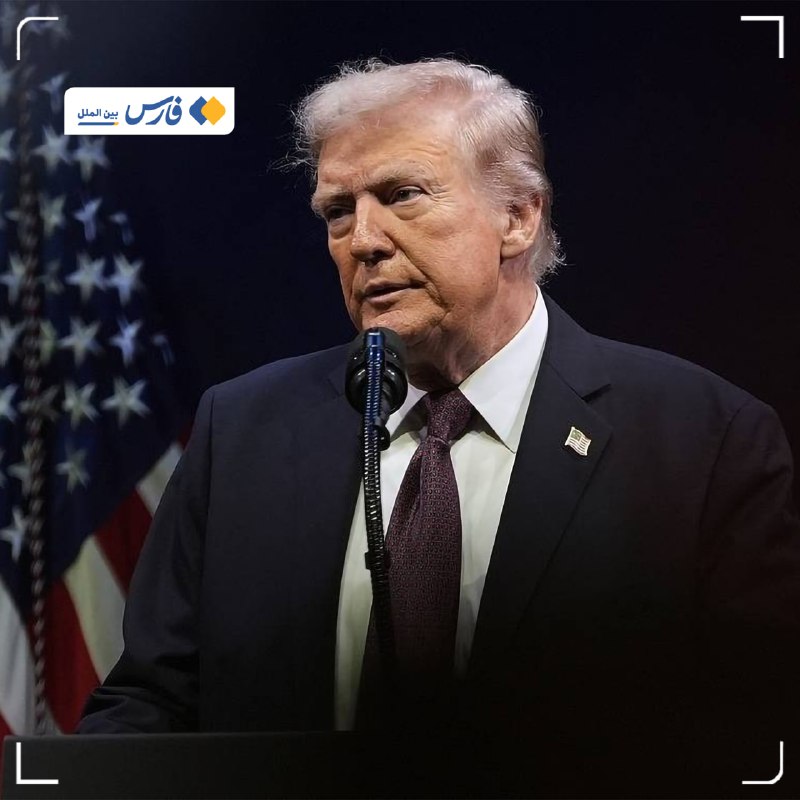
Trump, speaking from the White House, described the Iranian attackers as having sustained "great damage," framing the night as a clear operational success for U.S. forces. The Pentagon's statement, carried across wire services and social platforms, was more measured but no less pointed: Iran had carried out "unprovoked" attacks on U.S. warships moving lawfully through international waters.
That framing, however, is not the only one in circulation.
The night, the orders, and the fire
According to a statement attributed to an Iranian military source and reported by financial and social-media channels covering the Gulf on May 7, Iranian forces opened fire after U.S. troops first struck an Iranian oil tanker in the strait's vicinity. The account, which Monexus has verified against multiple wire reports including Reuters and Unusual Whales, describes Iranian units as having been forced to retreat with damage to their position. It is a fundamentally different characterisation of causality — retaliation rather than aggression — and it appears nowhere in the U.S. military's own public statements.
The gap matters. A narrative in which the U.S. moved first and Iran responded is one in which the escalation has a different owner, a different logic, and different diplomatic implications. That the Pentagon has not addressed the tanker-attack allegation directly — nor confirmed the specific damages claimed by the Iranian side — leaves a factual lacuna at the centre of the official record.
The source discrepancies do not end with causation. Trump's assertion of "great damage" to Iranian forces lacks corroboration from any independent military assessment released as of publication. No figures on Iranian casualties, vessel damage, or weapons launched have been confirmed by the U.S. side. The president's framing appears to reflect a political communication objective — signalling resolve — rather than a confirmed operational outcome.
Two narratives, one strait
The Strait of Hormuz is not a neutral geography. It is the world's most consequential energy chokepoint, carrying roughly a fifth of global oil trade. Every actor with an interest in the flow of liquefied natural gas, crude, and cargo has a structural stake in what happens in its 21-mile-wide waterway. This is precisely why both sides maintain high-readiness naval presences there, and why a transiting U.S. carrier group is simultaneously a logistical operation and a political signal.
Iran has, in prior administrations, threatened to close the strait in moments of acute tension. It has not done so — the economic self-harm would be symmetrical — but the threat itself is part of the bargaining architecture. What the night of May 7 introduces is the question of whether the rules of that architecture have shifted: whether Iranian forces, watching U.S. vessels move under fire and survive, recalculate the deterrent value of future interdiction threats.
Separately, the Iranian Navy seized the tanker Ocean Koi on May 8, accusing the vessel of attempting to disrupt Iran's oil exports and national interests. The seizure, reported by the ClashReport Telegram channel, is a distinct action from the strait crossing — not an extension of it, but a simultaneous assertion of enforcement authority in adjacent waters. Together, the two events paint a picture of an Iranian posture that is aggressive without being reckless: challenging U.S. presence, but in ways calibrated to stop short of a casus belli.
What the Xi meeting now has to absorb
The timing of the Hormuz confrontation is consequential for the U.S.-China agenda in ways that are still unfolding. Finance wires reported on May 8 that the Iran situation was expected to dominate the Trump-Xi summit discussions, displacing the tariff and rare earths negotiations that Western business press had positioned as the meeting's primary substance.
This is not trivial. Rare earth supply chains, semiconductor export controls, and the structural terms of the bilateral trade relationship are all files that require sustained, technical negotiation — the kind that does not get resolved in a meeting shadowed by a live military crisis on the other side of the world. If Xi enters the summit with Iran as the frame, the negotiating posture of both sides shifts: the U.S. is simultaneously managing a regional confrontation and a technology-and-trade rivalry, while China has a structural interest in portraying U.S. Middle Eastern activism as a distraction from its own strategic depth in the Indo-Pacific.
That Iran appears to have notified Moscow — or at minimum, has not concealed its operations from a Russia that has become its primary strategic partner — adds a further layer. A confrontation in the Gulf that China watches through the lens of its own alignment with Tehran is not simply a U.S.-Iran bilateral matter. It is a node in a broader realignment.
What we do not yet know
Several questions remain open. The tanker-attack allegation — that U.S. forces struck an Iranian vessel first — has not been independently verified by any Western wire service as of May 8. If confirmed, it substantially changes the political calculus around the incident. The casualty figures on the Iranian side remain unconfirmed; Trump's "great damage" claim awaits any evidentiary basis beyond the presidential podium. And the long-term signal sent by a successful U.S. transit under fire — whether it deters future Iranian interdiction or normalises a new threshold of accepted risk — will only become legible in the weeks ahead.
The Strait of Hormuz held. That is the immediate news. Whether the night changes what happens the next time three destroyers try to cross it is a question that neither Washington nor Tehran has answered yet.
This publication led with the structural stakes of the confrontation — what it signals for deterrence, for the China agenda, and for the broader pattern of U.S.-Iran engagement — rather than with the political framing of "great damage." Reuters and wire services emphasised the presidential rhetoric; this article foregrounds the factual gaps and the geopolitical displacement effect on the Trump-Xi summit.
Wire provenance
This editorial synthesis draws on the following public wire/social posts:
- https://x.com/unusual_whales/status/1921947315289837825
- http://reut.rs/4u1d2za
- https://t.me/ClashReport/11823
- https://x.com/unusual_whales/status/1921938351070445784