US Destroyers Come Under Fire in Hormuz Strait as Oil Markets React
US warships exchanged fire with Iranian forces in the strategic Hormuz Strait on 7 May 2026, sending oil prices sharply higher and threatening a fragile ceasefire the Trump administration had extended three weeks earlier.
The USS Gridley and USS William P. Lawrence came under fire from Iranian forces in the Hormuz Strait on 7 May 2026, according to multiple accounts published overnight. The exchange prompted an immediate warning from President Trump, who told reporters at the White House: "We'll knock them out a lot harder." The flare-up drove Brent crude more than two percent higher in Asian trading, adding fresh volatility to a ceasefire Washington had declared open-ended less than a month earlier.
The incident is the most serious military confrontation between US and Iranian forces since the two sides agreed to a cessation of hostilities in mid-April. Trump had extended that ceasefire indefinitely on 21 April, a move his administration framed as a diplomatic breakthrough. The firing on US destroyers in one of the world's most critical oil chokepoints exposes how thin that diplomatic veneer remains. The Strait of Hormuz carries roughly a quarter of global oil shipments; any sustained disruption carries immediate consequences for energy prices worldwide.
Immediate Military Exchange
The specific circumstances of the firing remain contested across wire reports. Initial accounts described the destroyers as coming under fire from Iranian small boats and shore batteries, though neither the Pentagon nor US Central Command had issued a formal statement as of 05:00 UTC on 8 May. The exchange appears to have lasted minutes rather than hours, and there were no immediate reports of casualties aboard the US vessels. The Indian Express cited Trump directly warning Iran that any further escalation would be met with a proportionally harder response.
A Ceasefire Under Strain
The timing of the incident is not incidental. Trump's decision to extend the Iran ceasefire indefinitely on 21 April was presented as an effort to create space for negotiated nuclear and sanctions relief. That framework left open the question of enforcement mechanisms — what happens when a ceasefire is violated by either side, and who determines the response threshold. The Hormuz exchange forces that question into the open. Iran has historically used the strait as a pressure point in its broader contest with Washington; a single exchange of fire risks undoing weeks of careful diplomatic positioning on both sides.
The Tariff Ruling Complicates Washington's Leverage
Separately but not irrelevantly, a federal court issued a ruling on 7 May blocking the Trump administration's 10% baseline global tariff in a 2-1 decision. That ruling removes one of the administration's primary levers for coercing concessions from Tehran — economic pressure — at precisely the moment military deterrence is being tested. The combination of a constrained trade policy and an unstable military front leaves the White House with fewer instruments to shape Iranian behaviour than it had forty-eight hours ago.
Oil Markets and Forward Risks
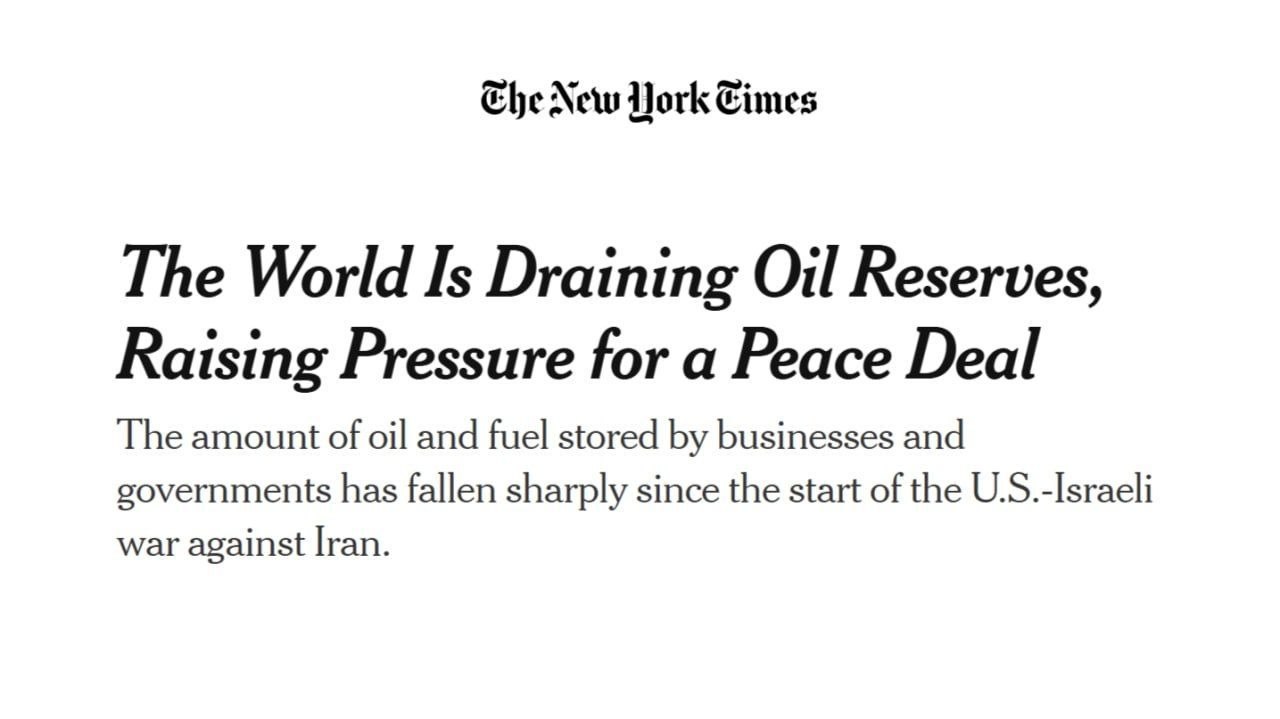
The market reaction was swift. Brent crude climbed more than two percent following news of the exchange, reflecting how directly the Hormuz corridor connects to global energy pricing. Traders are now recalculating the risk premium on a waterway that underpins a significant share of liquefied natural gas and crude oil flows from the Gulf. If the exchange represents an isolated incident, the price move may prove temporary. If it signals a new pattern of Iranian pressure on trans-shipment lanes, the implications for global energy costs are considerably larger.
What remains uncertain is whether the 7 May firing was a deliberate Iranian signal — an assertion that the ceasefire extension does not translate to Iranian passivity — or a local commanders' decision that outran Tehran's intentions. The sources reviewed do not establish Iranian command-level responsibility with certainty. That ambiguity matters for how Washington calibrates its response. A proportional military retaliation that punishes the specific actors involved could close the incident. An escalated response risks inviting the very instability the ceasefire was meant to prevent.
Desk Note
The wire services framed the exchange as an escalation, which is accurate as a description of events but understates how fragile the underlying ceasefire architecture was to begin with. Monexus has covered the April ceasefire extension skeptically since it was announced, noting that indefinite extensions without enforcement provisions are diplomatic placeholders, not durable arrangements. This article continues that line.