US Jobs Beat Forecasts as Hormuz Flare-up Tests Ceasefire Durability
The US labour market added 115,000 jobs in April, topping forecasts by more than double, even as container imports fell and oil prices rose following fresh exchanges of fire in the Strait of Hormuz.
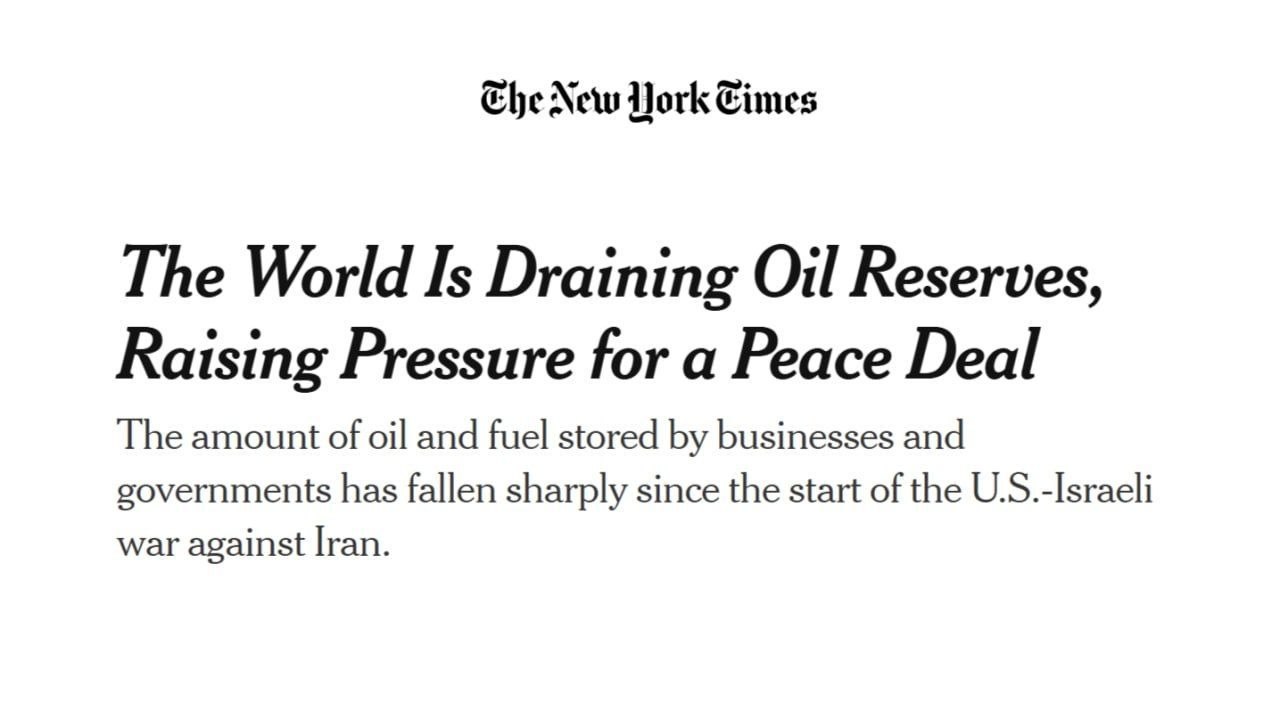
The US labour market delivered an unexpected show of resilience on 8 May 2026, adding 115,000 jobs in April — more than double the 55,000 economists had projected, according to BBC News and confirmed by Polymarket data from the same date. The figures arrived against a backdrop of mounting trade and geopolitical pressure: US container imports had fallen 5.5 percent in April, and oil prices were climbing after a fresh exchange of fire between US and Iranian forces in the Strait of Hormuz.
The juxtaposition is striking. Hiring held firm even as supply chains registered disruption and energy markets reacted to renewed hostilities in one of the world's most critical maritime chokepoints. That divergence — solid employment numbers alongside deteriorating trade and security indicators — is precisely what makes the April data set harder to read than it first appears.
Jobs Outpace the Noise
Economists surveyed ahead of the release had braced for a more pronounced slowdown. The 55,000 consensus estimate reflected widespread concern that rising gas prices, driven by the Iran conflict, would weigh on consumer spending and, by extension, employment. That scenario did not materialise. The solid April figures came described in contemporaneous wire reports as evidence that the labour market retained cushion even as external headwinds intensified.
The breakdown matters. Sectors tied to domestic consumption — retail, healthcare, hospitality — continued to drive hiring. What the data does not yet reveal is whether those gains reflect genuine momentum or a lag effect, with firms慢一拍 responding to cost pressures that have yet to fully filter through to payrolls.
Trade Volumes Tell a Different Story
Descartes, the supply chain analytics firm, reported on 8 May that US container import volumes fell 5.5 percent in April compared to the prior year. The decline predates the Hormuz exchange, pointing instead to broader trade uncertainty that had already prompted retailers and manufacturers to pare back inbound freight.
The import contraction complicates the employment picture. A 5.5 percent drop in container volumes suggests inventory drawdowns or production slowdowns that should, in theory, show up in factory and warehousing payrolls within months. The fact that they had not yet done so by April raises a question about timing: are the trade data leading indicators of labour market weakness, or did April's hiring reflect contracts and commitments predating the freight pullback?
Oil prices, meanwhile, climbed after the Hormuz exchange. The Strait carries roughly a fifth of global oil throughput; any disruption to traffic generates an immediate market response. Energy cost pass-through to industrial users and transport operators typically takes four to six weeks to appear in price indices, and somewhat longer to affect staffing decisions.
The Ceasefire Under Pressure
The most structurally significant development is the state of the US-Iran ceasefire. President Trump extended the ceasefire indefinitely on 21 April 2026, a move that had briefly stabilised energy markets. The exchange of fire reported on 8 May, described by BBC News as occurring in the Hormuz strait, now endangers that arrangement.
The ceasefire's collapse would not immediately reverse the jobs numbers — labour market data moves slowly — but it would compound the cost pressures already visible in import contraction and rising fuel prices. It would also introduce a new dimension of uncertainty into business investment decisions that the April hiring figures, anchored in prior commitments, do not yet capture.
The immediate stakes are economic and strategic simultaneously. A functional ceasefire had allowed Washington to pursue a dual-track approach: firm enforcement of sanctions combined with negotiated constraints on Iran's nuclear and regional activities. Loss of that diplomatic architecture does not merely risk a spike in oil prices; it removes the framework within which US and allied officials have managed the broader Middle East posture since the initial deal.
What the Data Cannot Yet Answer
The April employment report is a snapshot, not a trend confirmation. One month of above-forecast hiring does not establish that the labour market has fully decoupled from energy price shocks and geopolitical disruption. Historical precedent from earlier oil price spikes — 1973, 1979, 1990 — shows that employment effects typically lag consumption effects by one to two quarters.
The import data and the oil price move are the more urgent leading signals. A 5.5 percent drop in container volumes, if sustained through May, will show up in industrial production figures and eventually in manufacturing and logistics employment. Oil price increases at the pump feed into consumer price indices within weeks and into wage pressure calculations shortly thereafter.
The ceasefire's durability is the variable most beyond the capacity of any current data set to price in. If the Hormuz exchange on 8 May is an isolated incident — a border incident rather than a strategic shift — the employment and trade data will likely dominate the next reporting cycle. If it marks the beginning of a new phase of confrontation, the April jobs beat will read, in retrospect, as the last quiet month before a harder reckoning.
This publication's desk noted the divergence between the headline jobs beat and the supply-chain signals from the start of reporting. The decision to lead with employment rather than trade data reflects the sequencing in which the numbers entered the wire — the BBC employment report ran first, at 13:30 UTC, followed by the Descartes import data and then the Polymarket confirmation.
Wire provenance
This editorial synthesis draws on the following public wire/social posts:
- http://reut.rs/4uwCr3u