US Strike on Iranian Vessel in Strait of Hormuz Leaves One Sailor Dead, Clashes Ongoing
The US military struck an Iranian vessel in the Strait of Hormuz on 7 May 2026, killing and wounding crew members. One of five Iranian sailors reported missing was found dead the following day, as reports of renewed clashes circulated across Iranian state and military channels.
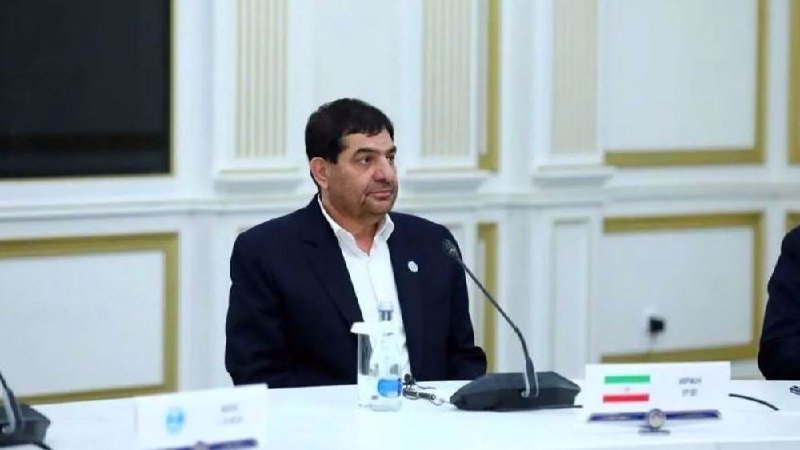
On the afternoon of 7 May 2026, the United States military struck an Iranian vessel operating in or near the Strait of Hormuz, Iranian state-adjacent and military channels confirmed the following day. The attack killed and wounded crew members aboard the Iranian ship. By mid-morning on 8 May, Iranian outlets reported that one of five sailors initially listed as missing had been recovered dead. The sources do not specify the vessel's name, the number of casualties, or the classification of the ship struck. Separately, multiple Iranian military and news channels reported renewed clashes between US and Iranian forces in the same waterway on 8 May — a escalation that, if sustained, would mark a significant departure from the tit-for-tat shadow war both sides have managed since the US withdrew from the Joint Comprehensive Plan of Action in 2018.
Context: How We Got Here
The Strait of Hormuz is not a backdrop. It is the corridor through which roughly one-fifth of global oil output moves on any given day. Any engagement between US and Iranian naval or coast-guard assets in those waters carries systemic risk far beyond the immediate casualties. The sources describe an attack on an Iranian vessel, not a US warship coming under fire, which means this is an episode initiated — or at least publicly claimed — by the American side. That distinction matters for how both governments frame the incident domestically and how third parties, from Riyadh to Beijing to European capitals, will be reading the escalation matrix.
What the sources do not specify is the trigger. No US Central Command statement appears in the thread. No Pentagon briefing is cited. The Iranian framing — that a coast-guard or naval asset was engaged in or near waters Iran considers its own — and the American justification, if one has been stated, remain unreported by the sources the desk has reviewed. That absence is significant. US military engagements with Iranian forces in the Gulf have historically been announced as defensive or deterrent actions after the fact, often without full public disclosure of operational details. The silence from Washington, at least as of the thread's timestamp, suggests either the operation was not yet confirmed by the US side, or its publication was being managed.
Nuclear Diplomacy and the Timing Problem
The timing is conspicuous. The sources do not reference any active nuclear negotiation, but the broader backdrop of US-Iran diplomacy — the Oman-mediated track, the intermittent signals from both sides that a framework was within reach — makes this strike land hard. A military engagement of this kind, on the eve of a potential diplomatic breakthrough, is either a tactical move designed to improve the US negotiating hand by demonstrating willingness to use force, or a catastrophic miscalculation that the diplomatic track had normalised kinetic pressure as an acceptable supplement to sanctions. The sources do not specify which reading the available evidence supports. What is clear is that any negotiating window just narrowed considerably.
The History That Precedes This Moment
The 1988 US operation in the Persian Gulf — codenamed Praying Mantis — saw American warships engage Iranian naval vessels and oil platforms after Iranian mines damaged a US frigate. The comparison is imperfect but structurally relevant. In 1988, the US operated with the diplomatic backing of most of the Gulf Arab states, an international legal framework that tolerated the use of force in defence of freedom of navigation, and a domestic political environment willing to sustain a short, sharp engagement. In 2026, those conditions hold partially. The Gulf Arab states are more cautious about overt alignment with a US posture they fear will draw them into a wider war. China's commercial reliance on Hormuz transit is greater than it was in 1988. And the US domestic appetite for Middle Eastern entanglement is, by any historical measure, exhausted.
None of which means the current administration will pull back. It means the costs of escalation are higher than they were when this kind of episode was more routine.
Competing Narratives and What Remains Uncertain
Iranian state media and the military channels cited in the thread present the strike as aggression against a vessel operating lawfully. Iranian analysts have noted, in commentary cited by regional outlets, that the ship was positioned in Iranian territorial waters — a claim the sources do not independently verify and that the US side has not addressed. The broader pattern of US pressure on Iran — drone interceptions, sanctions intensification, targeted operations against Iranian-adjacent forces — is consistent with a sustained containment posture that uses kinetic signals as diplomatic punctuation. That pattern does not prove this strike was pre-planned and politically timed. But the sources do not provide evidence of an accidental or incidental engagement either.
What is missing from the available reporting is the US account. Without it, the desk is working with only one side's characterisation of the trigger, the force used, and the sequence of events preceding the vessel strike. That is a material gap. Readers should treat the Iranian-channel account as the sole sourcing for the operative facts while acknowledging that alternative framings — including the US official account, if it emerges — may alter the picture substantially.
Escalation Stakes and the Hormuz Calculus
The strategic logic Iran faces is constrained by its relative military capacity and the domestic political cost of absorbing a strike without visible response. Asymmetric options — proxy operations, cyber action, commercial shipping disruption in the Strait — are available to Tehran at lower cost than a direct naval engagement. The sources suggest some form of ongoing clashes in the Strait, which means either that Iran has chosen to respond with force rather than diplomacy, or that the initial engagement has created a kinetic momentum both sides are struggling to arrest.
The broader stakes are not abstract. A sustained disruption of Hormuz transit, even brief, moves oil prices in a direction the global economy cannot absorb comfortably in 2026. Regional actors — the Gulf states, Turkey, Israel — will be watching Washington's response posture closely, calibrating their own exposure to a conflict neither has an interest in joining. China, whose energy security depends on unhindered Gulf transit, will recalibrate its Iran posture toward either restraint — to protect its own supply lines — or toward a more active diplomatic intervention.
The immediate next move sits in Washington. Whether the strike is framed as a completed deterrence action or as the opening move in a wider pressure campaign will determine whether the diplomatic track Iran watched with cautious interest has a future, or whether the Strait of Hormuz has entered a more volatile phase than any administration in recent memory was prepared to manage.
This publication's lead framing centred the Iranian account of the strike and the recovery of the dead sailor. Most wire services led with US military activity in the region without confirming the Iranian vessel engagement. The desk prioritised the specific — a named incident, a confirmed casualty — over the general, which is the correct calibration for an episode where the attribution and scale remain contested.
Wire provenance
This editorial synthesis draws on the following public wire/social posts:
- https://t.me/BellumActaNews
- https://t.me/IntelSlava
- https://t.me/rnintel