Vance Convenes With Qatar PM as US-Iran Talks Pivot Moves Into Sharper Focus
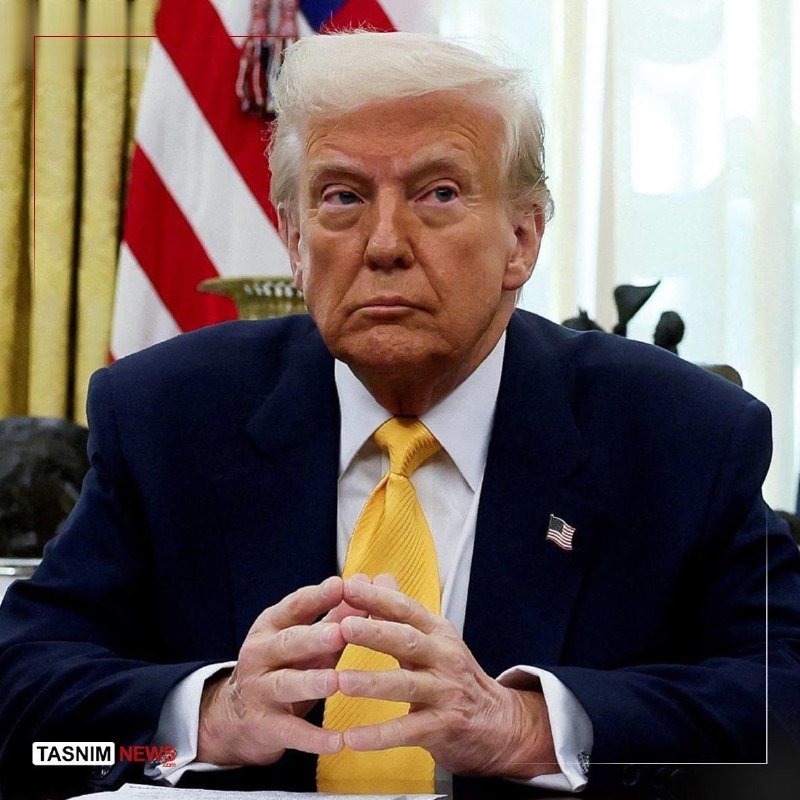
US Vice President JD Vance met Qatar's Prime Minister in Washington on 8 May, with discussions centred on reviving nuclear negotiations with Iran — the latest signal that the Trump administration is pursuing a dual-track strategy of pressure and conditional engagement.
The meeting, confirmed by a US official cited by Axios, comes as Iranian nuclear advances have pushed the Iran file back toward the centre of Middle East diplomacy. Qatar has served as a backchannel between Washington and Tehran in previous diplomatic episodes, including during the Obama-era Joint Comprehensive Plan of Action negotiations, and more recently in the Taliban surrender talks that preceded the 2020 Doha agreement. A senior US official said Qatar "remains a key backchannel" for communication with Iran.
The administration has signalled it will reimpose the full suite of pre-JCPOA sanctions while keeping the door open to a negotiated outcome — a posture that critics call contradictory and proponents describe as strategic ambiguity designed to extract maximum leverage. Iran's Enrichment Threshold
Iran has accelerated uranium enrichment to near-weapons-grade levels since 2023, with the International Atomic Energy Agency confirming in successive quarterly reports that Tehran's stockpile of 60-percent enriched uranium has grown substantially. That accumulation represents the practical threshold for weapons-capable material, and Western officials treating it as the key variable driving urgency on the American side. The Axios reporting, which has been the primary source for several recent disclosures on US-Iran contact, puts the administration in the position of confirming engagement while maintaining the public posture of maximum pressure.
Qatar's role sits uneasily in the broader architecture of Gulf politics. Doha hosts the largest US military footprint in the region through the Al Udeid air base, yet has simultaneously maintained open channels with Tehran — a duality that Washington has both relied upon and periodically scrutinised, particularly during the 2017-2021 Qatar-Gulf Cooperation Council crisis when Saudi Arabia and its allies accused Doha of being too close to Iran. The current meeting, therefore, is not simply a diplomatic nicety but a recognition that no other Gulf interlocutor carries the same combination of US access and Tehran's willingness to engage.
The Signal Washington Is Sending
Administration officials have framed the Vance meeting as routine diplomatic consultation rather than the opening of a formal negotiation track — a deliberate minimisation that reflects the political sensitivity of being seen to engage with a government whose nuclear programme Western intelligence agencies assess as closer to weapons capability than at any point since 2003. The public ambiguity serves a purpose: it allows Iran to respond to pressure signals without a formal US offer to negotiate, while preserving the administration's claim that it never made concessions to Tehran.
European parties to the original JCPOA — France, Germany, and the United Kingdom — have publicly supported a return to the deal, but their leverage is limited by the fact that Iran has consistently demanded sanctions relief as a precondition rather than an outcome of any agreement. That demand has historically been a dealbreaker for Washington, which insists any agreement must be verified before sanctions are lifted. The gap between those positions has never been closed through diplomatic channels alone.
What the Axios Reporting Reveals
The Axios disclosure on 8 May is the third significant leak about US-Iran contact in the past six weeks, each time managed to land in the public record without formal White House confirmation. The pattern suggests the administration is using selective disclosure as a signalling instrument — leaking just enough to move market and diplomatic expectations without committing to a process that would invite scrutiny if it stalls. This is a different posture from the first Trump administration's sudden withdrawal from the JCPOA, and it reflects lessons learned from the political cost of that move's chaotic aftermath in regional escalation.
The meeting also positions Qatar as an indispensable diplomatic partner at a moment when Washington's relationships with Saudi Arabia and the UAE have been complicated by differing assessments of how to contain Iranian regional influence through proxies. Riyadh and Abu Dhabi have both signalled openness to normalisation with Iran under the right conditions, but not at the cost of their own leverage — a position that is broadly compatible with Washington's, but not identical to it.
The Road Ahead
The immediate question is whether the Vance-Qatar meeting produces a credible follow-on channel — either a direct US-Iran meeting or a facilitated session through Omani or Qatari intermediaries — or whether it remains a consultation without a concrete next step. Iranian officials, quoted by state-aligned media, have said Tehran will not return to negotiations under sanctions pressure, a position that will test whether the administration's dual-track posture can produce a genuine opening or merely delays the harder choices that a weapons-capable Iran will eventually force.
What remains unclear from the available sourcing is whether the administration has set internal red lines on enrichment thresholds that would trigger a military response, or whether the diplomatic track is intended to cover the full range of scenarios without publicly committing to either outcome. That ambiguity is itself a policy position — one that keeps all parties in a state of managed uncertainty rather than resolved conflict.
This publication covered the Vance-Qatar meeting as a diplomatic signal embedded in the broader US posture toward Iran, emphasising the backchannel architecture and the structural gap between sanctions pressure and negotiation readiness. The wire picture, sourced primarily from Axios, focused on the meeting's event character — the Vice President, the Prime Minister, the stated topic. The framing difference reflects Monexus's assessment that the story's weight lies in the pattern of engagement, not merely its occurrence.
Wire provenance
This editorial synthesis draws on the following public wire/social posts:
- https://t.me/alalamarabic
- https://t.me/FarsNewsInt
- https://t.me/wfwitness