Venezuela confirms detainee died in custody eight months after disappearance, a year after mother's search began
The Venezuelan government confirmed on 6 May 2026 that a man who disappeared in May 2025 had died in state custody the previous July — eight months before his mother learned of it, after a court rejected her release petition days earlier.
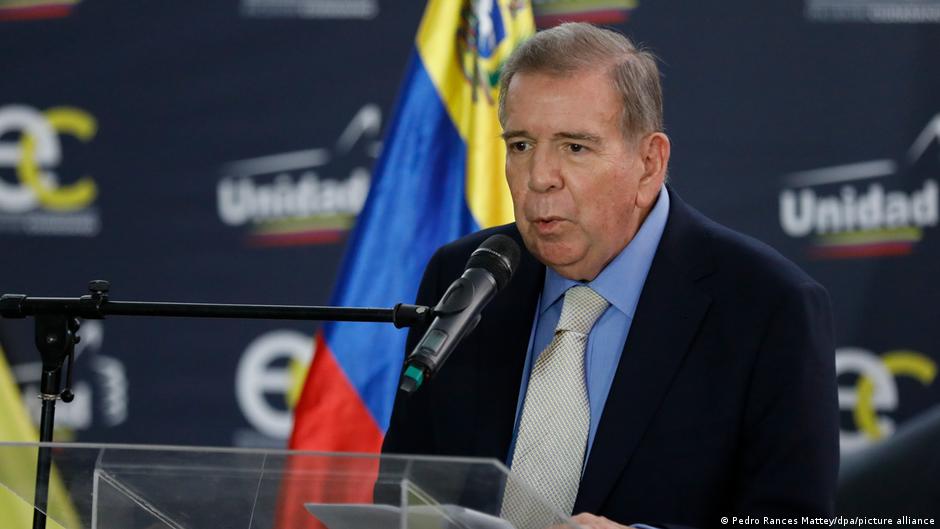
The Venezuelan government confirmed on 6 May 2026 that a man who disappeared in May 2025 had died in state custody the previous July — eight months before his 82-year-old mother was notified, after a Caracas court rejected a habeas corpus petition to secure his release days earlier, Reuters reported. The case has drawn attention to the opacity that defines how Caracas handles the fate of people detained by security forces.
Javier Mendoza — his mother's name has not been published to protect her safety — spent more than a year filing petitions with the Attorney General's office, posting appeals on social media, and staging a vigil outside a Caracas detention centre where she believed he was held. Venezuelan authorities gave no formal response until this month's confirmation that he died on 31 July 2025. The court's rejection of the release petition came on 2 May, four days before the government confirmed his death.
The sequence raises questions about whether Venezuela's judiciary operated with genuine independence in the case. Courts in politically sensitive detentions routinely reject habeas corpus petitions on procedural grounds, human rights observers note, effectively closing the last formal avenue for a prisoner's release even as the state prepares to acknowledge the outcome.
The broader pattern is documented. International observers have catalogued hundreds of cases in which families learn of detained relatives' deaths through informal channels — the testimony of released inmates, social media posts by witnesses, or not at all. The mechanism is structural: opaque governance of the prison system functions as a tool of control. Families with resources, visibility, and persistence — like Mendoza's mother — still face systematic barriers to accountability. That the confirmation arrived eight months after the fact, and four days after a court foreclosed the release option, suggests coordination rather than administrative delay.
The stakes are concrete. Human rights groups estimate thousands of people remain held in Venezuelan facilities on politically motivated grounds. Each case where opacity succeeds makes the next legal challenge harder to mount. The precedent is not incidental — it is the point. A system that can exhaust a family's legal options before revealing what happened to their relative discourages the next family from trying. The court's timing in this case — rejecting the petition days before confirmation arrived — is consistent with a strategy designed to close doors before the facts emerge.
This case is one of dozens Monexus has tracked in Venezuelan coverage this year. Reuters framed it as a singular human tragedy, and it is that. What the wire framing obscures is the structural logic underneath: a system in which the timing of judicial decisions and the timing of state confirmations are not independent events but component parts of a managed disclosure process. The mother found answers. Most families do not.
Wire provenance
This editorial synthesis draws on the following public wire/social posts:
- https://x.com/reuters/status/1920345588769120670