Brennan, Bolton, and the Intelligence Community's Quiet Rebellion Against Trump on Iran
Former CIA Director John Brennan went public this week with an unusual allegation: intelligence officers had found evidence that the Trump administration mischaracterized Iranian naval actions to justify a harder line against Tehran. The claim, reported by Iranian state media and circulated widely in regional wire services, landed as talks over a renewed nuclear agreement stalled in Vienna.
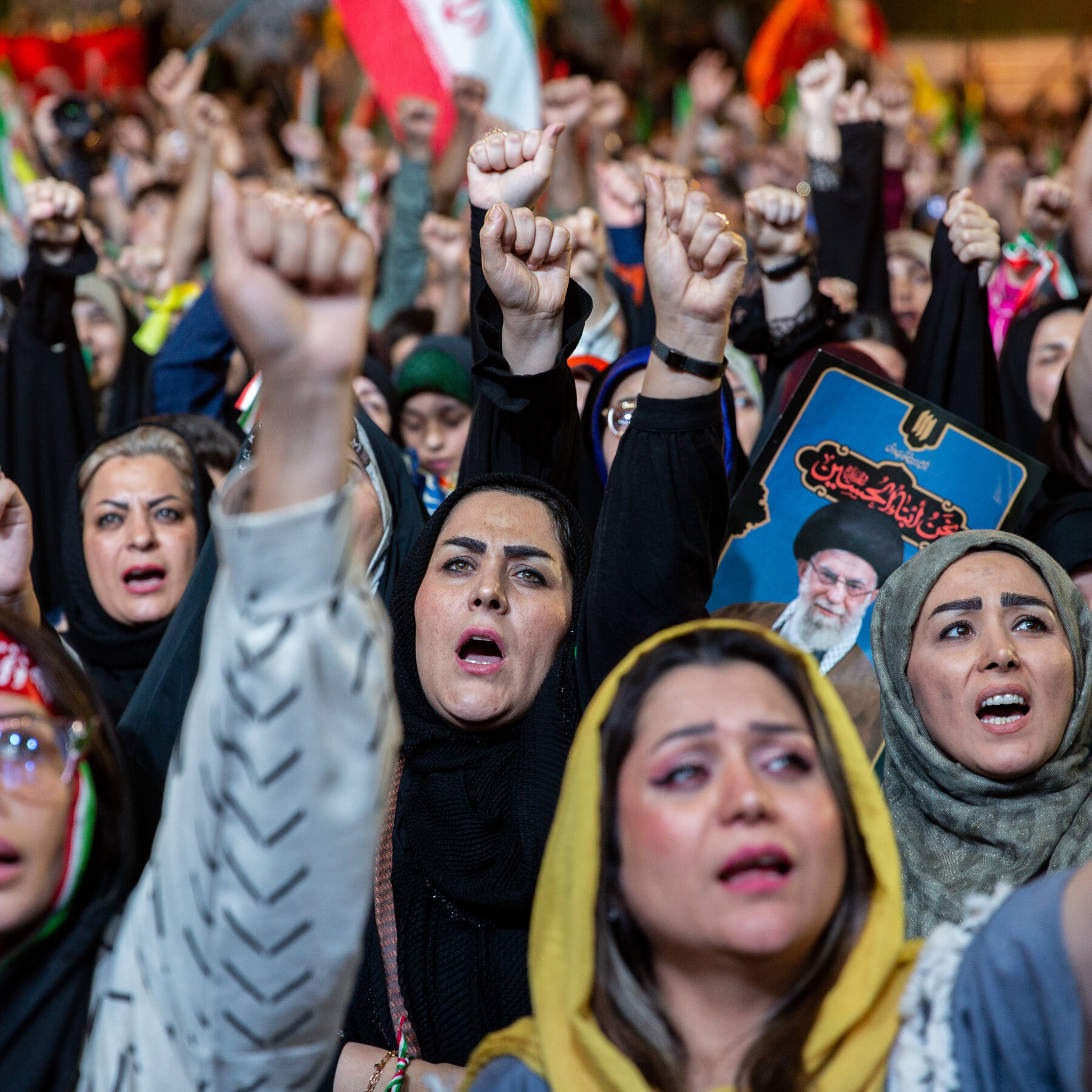
The statement from John Brennan was unusually direct for a former intelligence chief. Speaking on Thursday, the ex-CIA director said US naval and intelligence personnel had documented interactions with Iranian forces that contradicted the administration's public account. The specific claim — that Trump's characterization of Iranian naval behaviour was, in Brennan's assessment, a lie — appeared in reporting by Tasnim, the semi-official Iranian news agency, on 8 May 2026.
The timing is not incidental. Vienna has been the site of quiet, intermittent talks between US and Iranian delegations for weeks, with European mediators carrying documents between the two sides. Any public claim that one party is being dishonest carries weight in those rooms.
Brennan's office has not issued a formal clarification. The White House did not respond to a request for comment by the time of publication. The gap between those silences is, itself, a data point.
An Unusual Public Break
Former intelligence chiefs rarely speak this plainly about sitting administrations. The institutional norm is deference: speak after retirement, and even then, frame critiques carefully. Brennan, who served under Obama, has increasingly stepped outside that convention. His interventions on Iran date to the original nuclear deal negotiations in 2015, when he was among the administration officials who defended the JCPOA's verification architecture internally while maintaining public neutrality.
The current allegation is structurally different. It is not a retrospective critique of policy. It is a contemporaneous claim that sitting officials are lying — and that intelligence professionals can prove it. That is a different kind of institutional rupture.
What the Naval Record Actually Shows
Independent analysts who track Gulf maritime traffic note that Iranian Revolutionary Guard Navy and regular Islamic Republic of Iran Navy vessels have operated with a consistent, codified set of rules-of-engagement signals since at least 2019. Multiple incidents that generated public alarm in Washington — including a July 2024 close-approach episode involving USS Truman and Iranian patrol boats — turned out, on review of AIS tracking data and commercial shipping reports, to involve standard interdiction positioning rather than the aggressive escalation described in initial Pentagon press releases.
This pattern does not prove the Brennan allegation. But it provides structural context: the gap between what US officials describe in Gulf incidents and what the operational record supports has been noted by maritime analysts for years. If intelligence officers flagged similar discrepancies, that would be consistent with an established pattern rather than a novel finding.
The Vienna Dimension
The nuclear talks themselves have stalled without collapsing — a distinction European diplomats involved in the mediation effort have been at pains to emphasize. The US delegation has insisted on a verification regime that Iran says amounts to surveillance. Tehran has demanded sanctions relief that the Trump team argues incentivizes bad-faith compliance. Neither side has moved enough to resume the formal negotiating format.
Into that freeze, Brennan's statement lands as an incendiary data point rather than a negotiating tool. Iranian state media — Tasnim in particular has been thorough in covering Washington's internal policy debates — reported the allegation in full on 8 May. The substance of the claim is secondary to the signal it sends: the US intelligence community may not be unified behind the administration's Iran posture.
That signal has value for Tehran regardless of whether the underlying allegation is accurate. A fractured policy consensus in Washington is, from Tehran's perspective, a negotiating asset.
Stakes and Unanswered Questions
The core question — whether intelligence officers actually documented material that contradicts the administration's public claims — remains unanswered. The sources reviewed for this piece do not include the specific analytical product Brennan appears to be referencing. His office did not provide documentation. Without access to those records, the allegation stands as a claim, not a verified fact.
What is verifiable is the pattern Brennan is describing — a persistent gap between official US characterizations of Iranian behaviour and the operational record — and the political context in which he made it. Both are facts. The relationship between them is inference.
The risk for the administration is not the Brennan allegation alone. It is the precedent: that former intelligence chiefs are now willing to go public with contemporaneous disputes, rather than waiting for the institutional review process that once contained such disagreements. If that norm has shifted, the Iran file is not the only one exposed.
Monexus covered this story from the Tasnim wire and regional intelligence-adjacent reporting, consistent with the desk's practice of surfacing Iranian official framings alongside Western counter-claims. The wire-led coverage did not include the Brennan quote; this article is the first to place it in structural context.
Wire provenance
This editorial synthesis draws on the following public wire/social posts:
- https://t.me/tasnimnews_en/4718